In today's environmentally conscious world, the demand for sustainable lumber is on the rise. Forestry practices that prioritize the long-term health of forest ecosystems are not only beneficial for the planet but are also increasingly expected by consumers. Sourcing sustainable lumber is one step toward a greener future, and understanding its benefits is crucial for both producers and consumers. Keep reading to discover how sustainable lumber practices make a significant difference to our environment.
The Role of Sustainable Lumber in Reducing Deforestation
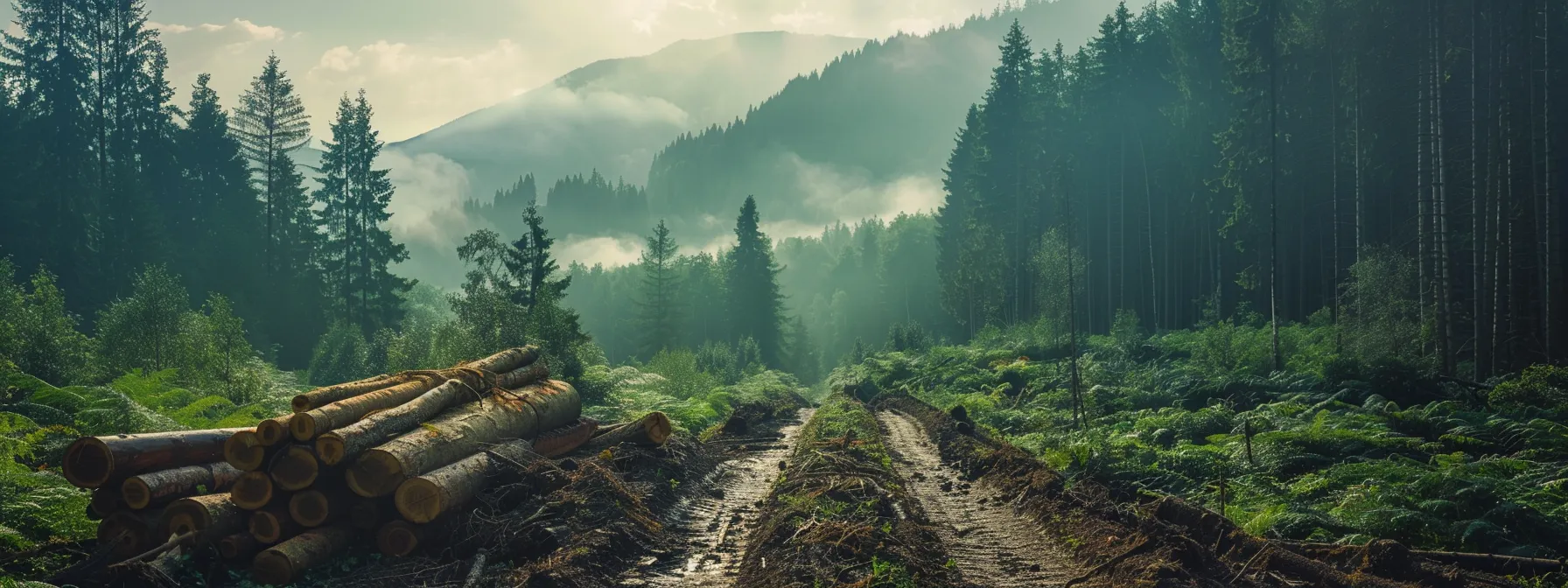
Deforestation is a major environmental concern, with vast areas of forest being cleared for agriculture, urban development, and unsustainable logging practices. Sustainable lumber plays a critical role in combating this issue by promoting forest management techniques that discourage clear-cutting and encourage the replenishment of trees.
By sourcing sustainable lumber, businesses and consumers can directly contribute to reducing deforestation. Such practices maintain forest cover, which is vital for soil health, water cycle regulation, and preventing land degradation. Forests also serve as carbon sinks, and maintaining them is vital for mitigating climate change.
Companies and consumers need to seek out lumber that comes from forests managed sustainably. The H&H Forestry is an example of an organization that provides services and guidance for the management of woodlands with sustainability at the forefront.
Carbon Footprint Reduction Through Sustainable Lumber Practices

Sustainable forestry practices significantly contribute to the reduction of carbon footprint in the lumber industry. Responsible management of forests ensures that they continue to act as net absorbers of carbon dioxide, rather than becoming sources of greenhouse gas emissions through deforestation or degradation.
Harvesting methods that avoid excessive disruption and damage to forest ecosystems preserve the carbon stored in the trees and soil. When lumber is sourced sustainably, it is part of a cycle that includes planting new trees to replace those that are harvested, thereby maintaining the forest's capacity to absorb carbon.
Wood products from sustainably managed forests often have a lower carbon footprint compared to those derived from non-renewable materials such as steel or concrete. The production processes for these alternatives generally emit more greenhouse gases, making sustainable lumber a greener choice for construction and manufacturing.
Wildlife Habitats Preservation by Choosing Sustainable Lumber

Forest ecosystems are rich in biodiversity, providing habitats for countless species of flora and fauna. Sustainable lumber practices prioritize the conservation of these habitats by ensuring that forest management does not lead to habitat loss or fragmentation.
Selective logging, one of the hallmarks of sustainable forestry, helps maintain habitat continuity, which is critical for the survival of many species. By carefully selecting trees for harvest and preserving the forest's structure, sustainable lumber operations protect the living space of wildlife, ensuring their populations remain stable and diverse.
The maintenance of old-growth forests is particularly important for conservation, as these areas often serve as critical habitats for endangered species. Sustainable lumber initiatives often set aside protected areas within the forests to ensure that these ecologically important regions remain undisturbed.
Sustainable Forestry Certifications and Their Impact on Lumber Choices
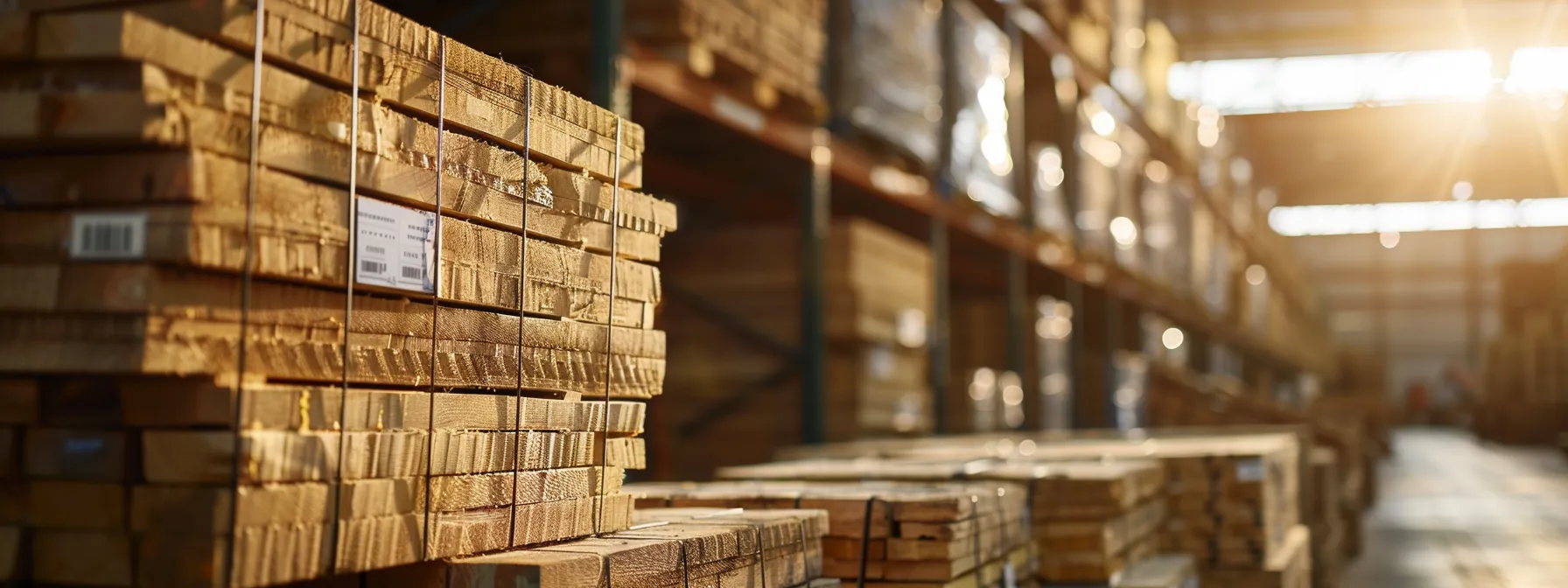
One of the ways to ensure that lumber is sourced sustainably is to look for certifications from recognized organizations. These certifications indicate that the wood has been harvested in accordance with strict environmental and social standards.
Forest certification programs like the Forest Stewardship Council (FSC) and the Programme for the Endorsement of Forest Certification (PEFC) offer labels that consumers can trust. Products carrying these certifications have been tracked from the forest to the final product, ensuring that every step of the process complies with the rigorous criteria set by the certifying body.
Such certifications also play a significant role in creating market incentives for sustainable lumber. When consumers prioritize certified products, they create demand that encourages more forest owners and managers to adopt sustainable practices. This, in turn, leads to more forests being managed responsibly, creating a positive cycle for both the environment and the industry.
Overall, the environmental benefits of sourcing sustainable lumber are indisputable. As we've explored, responsible forestry practices play a pivotal role in reducing deforestation, lowering carbon footprints, preserving wildlife habitats, and ultimately supporting the health of our planet. As consumers and businesses become increasingly eco-conscious, the choices we make in our lumber purchases will continue to shape the future of our forests and the wider environment.