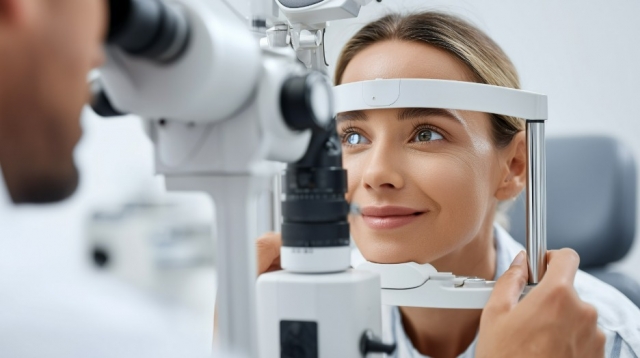
Many people set goals to take better care of themselves. They stick to their workout plans, monitor their weight, and pay attention to what they eat. These are the routines most of us think about when it comes to living a healthy lifestyle. Yet one important area often gets overlooked: the eyes.
Too many people delay eye exams, assuming their vision is fine because they can see well. But these sensory organs affect almost everything you do. They help you work, read, and enjoy the world around you. That's why it's crucial to include eye care in your regular health routine.
Let's explore the top reasons to see an eye specialist this year.
Addressing Common Symptoms
Most people experience minor vision-related annoyances from time to time. Often, these symptoms become part of a normal routine that's easy to ignore. However, they could be signs of a larger problem. Instead of putting them off, it's best to schedule an appointment with an eye care expert. They can help determine the cause of your discomfort and recommend ways to relieve it.
Some common symptoms to watch for include:
- Frequent headaches after reading or using a computer
- Blurry or fluctuating vision
- Itchy, or watery, or dry eyes
- Sensitivity to light or glare
- Trouble seeing clearly at night
- Eye strain after long periods on screens
Many of these issues can be easy to fix. Simple solutions, such as lubrication drops, glasses, or new contact lenses, often provide significant relief. To effectively manage your eye health, it's best to find a trusted eye care clinic for personalized treatment.
Treating Eye Health Issues
Unlike addressing minor symptoms, this is about people who already have an eye condition. And there's no doubt that seeing an eye doctor in Singapore or wherever you reside is necessary here. This professional can help manage problems early and prevent them from getting worse.
Here are the eye diseases that require ongoing care:
Glaucoma
This condition occurs when fluid builds up inside the eye. In some cases, you may notice white or rainbow-colored circles around lights. This can signal a sudden spike in eye tension, which may damage the optic nerve. Over time, it can lead to a gradual loss of peripheral vision.
Cataracts
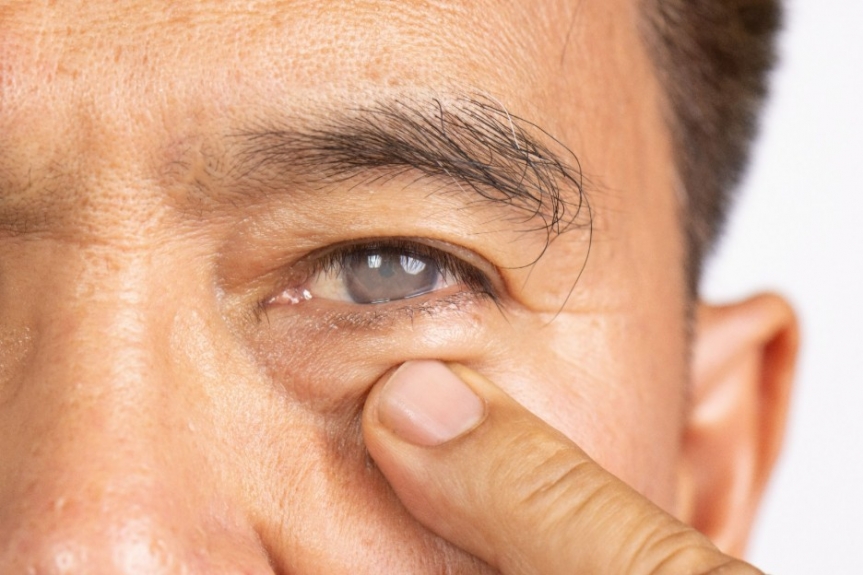
According to the World Health Organization, cataracts are one of the leading causes of blindness and vision impairment globally. This data serves as a strong reminder of the importance of taking care of your eyes. Cataracts develop when proteins in the eye's lens break down and clump together, causing cloudiness. Common symptoms include blurry, hazy, or less colorful vision.
Macular Degeneration
Macular degeneration is a retinal disease that affects the central part of the retina, known as the macula. This tissue is responsible for sharp, detailed vision. When the macula deteriorates, it becomes difficult to see objects directly in front of you. Age is the most common risk factor. Genetics, smoking, and prolonged exposure to UV light can also raise the chances of developing this disease.
Diabetic Retinopathy
As the name suggests, diabetic retinopathy is an eye condition caused by diabetes. High blood sugar can damage the tiny blood vessels in the retina. This can lead to blurred vision, dark spots, or areas of vision loss. There are often no noticeable symptoms in the early stages, which can be why many people don’t realize there’s a problem.
These eye conditions can be serious if left untreated. Make sure to visit a doctor of optometry regularly, as they can detect early problems. Depending on the case, treatments may include eye drops, laser therapy, or surgery.
Identifying of General Health Conditions
Sometimes, your eyes can reveal more than just vision problems. They can show early signs of your overall wellbeing, even before other symptoms appear. During a comprehensive eye exam, your doctor looks at the retina and surrounding structures to learn how your body is functioning.
Routine eye care can help identify several general health issues, including:
- High blood pressure: Elevated blood pressure can affect the tiny blood vessels in your eyes. This may cause them to change shape or develop small areas of bleeding.
- Diabetes: As mentioned, high blood sugar can damage the blood vessels in the retina. This can lead to swelling, fluid leaks, or other changes that affect vision over time.
- High cholesterol: Excess cholesterol can sometimes create plaque-like deposits in the eye’s blood vessels. These deposits may reduce blood flow and increase the risk of eye problems.
- Autoimmune disorders: Certain autoimmune conditions can cause inflammation or dryness in the eyes. This can affect comfort and vision and may signal other health issues.
- Neurological conditions: Problems with the optic nerve or other nerve-related structures in the eyes can indicate broader neurological concerns, such as nerve damage or brain-related conditions.
Catching these signs early gives you more time to take action. Your eye doctor may recommend additional tests or lifestyle modifications to prevent more severe health issues.
Final Thoughts
Eyes may not always be at the top of your health priorities. You may assume that minor changes in vision are normal or that discomfort will go away on its own. But that approach can allow small issues to grow into serious problems.
Seeing an eye doctor regularly can do so much more than you may think. Routine checkups protect your vision, address discomfort early, and reveal clues about your overall health. Taking care of your eyes now can help ensure better vision and comfort in daily life.