It starts small most of the time. A dull ache after a late-night snack. A sting when drinking something cold. Then the next day, nothing. Easy to forget, easier to ignore. Students do this a lot. Life moves fast, assignments pile up, and pain takes a back seat.
Across campuses, tooth pain is treated like background noise. It sits quietly until one day it doesn’t. Then the pain is too sharp to ignore, and the treatment becomes more than a quick visit. The team at dental clinic auburn sees this pattern all the time. Small problems that could have been solved in one appointment turn into something much bigger.
The Silent Routine of Avoidance
For many students, discomfort feels temporary. They assume it will pass once the stress of exams or long nights fade. Dental care, like sleep or healthy meals, slips down the list of priorities. It’s not about neglect. It’s about survival.
The cycle looks the same everywhere. A little pain. A quick Google search. Maybe a painkiller. Then distraction. The body adapts until it can’t.
Most students don’t realise that dental issues rarely stop on their own. Cavities deepen quietly. Inflammation grows. A mild ache on Monday might mean infection by Friday.
The Hidden Cost of Delay
The problem with ignoring pain is that it never stays simple. A small cavity left untreated can reach the nerve. What could have been a filling becomes a root canal. What could have been a clean-up turns into an emergency.
Dental experts often describe this as a slow escalation. At first, it’s a minor irritation. Then one day, the taste of metal appears, or the gum swells, or the jaw aches at night. By that time, treatment is longer, costlier, and far more uncomfortable.
A study in the Journal of Dental Research confirmed that delayed dental treatment among young adults is one of the most common causes of preventable oral infections worldwide It’s not about fear, most of the time. It’s habit.
Why Students Delay Care
Part of the issue is awareness, but another part is routine. Students live by deadlines. A lecture runs late, a shift runs longer, and a dentist appointment sounds like something that can wait another week.
Some students think pain equals damage, and if the pain fades, the problem must be gone. That’s the trick. Dental pain can stop even when damage continues. Nerves die quietly. Infection doesn’t always hurt until it spreads.
Financial pressure also plays a role. Many students delay care because of cost. Yet the truth is simple: the longer the wait, the higher the bill. Prevention is always cheaper than repair.
The Mental Load of Dental Fear
There’s another layer that hides underneath logic. Fear. Not dramatic fear, but quiet anxiety about what will happen at the clinic. The sound of tools, the sterile smell, the worry about bad news.
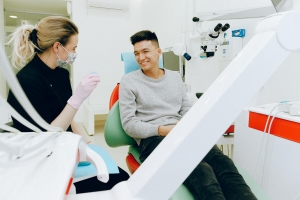
Dentists know this well. Good clinics, like those at Auburn, have learned to work differently with younger patients. Calmer spaces, open explanations, slower pacing. The environment itself helps reduce the hesitation that keeps people away.
Sometimes what students need most is a sense that their care will feel human, not clinical.
When Pain Becomes the Teacher
Every dentist has seen it happen. A student walks in holding one side of their face, apologising for waiting too long. The infection has spread. The tooth that could have been saved needs extraction.
Moments like that teach harsh lessons. Dental health doesn’t fix itself. The mouth is a small system, but every part connects to the rest of the body. Ignored decay can lead to systemic infection, fatigue, and difficulty focusing on things that can quietly ruin a study schedule.
Pain that was once a whisper becomes a wall.
The Role of Preventive Care
The good news is that prevention is simple. Regular cleanings, fluoride treatments, and early cavity detection stop problems before they grow roots. Modern dentistry focuses less on repair and more on maintenance.
A routine check-up every six months is the real difference between a small adjustment and a medical emergency. Dentists can spot early wear from stress, gum inflammation, or grinding from late-night studying.
Think of it as an investment in focus. Fewer headaches, fewer infections, fewer long nights spent holding an ice pack instead of a textbook.
Why Clinics Are Adapting
Dental care has changed. The best clinics now design schedules and systems around how students actually live. Flexible hours, gentle staff, and clear treatment plans make visits less intimidating.
At dental clinic auburn, technology has made diagnosis quicker, and appointments shorter. X-rays are digital. Records are online. Students can book sessions between classes instead of losing an entire day.
Small changes like this mean fewer excuses to delay. That’s how prevention becomes practical.
The Emotional Impact of Neglect
There’s an emotional side that people rarely mention. Living with chronic tooth pain changes mood and confidence. Smiling less, speaking less, even eating differently. Over time, it affects how students see themselves.
It’s not just teeth. It’s self-image, sleep, energy, even social comfort. The longer the pain lasts, the more invisible pressure builds. It chips away at well-being quietly, the way water shapes stone.
Addressing dental pain early isn’t vanity. It’s maintenance of quality of life.
Conclusion: Catch It Before It Catches You
Dental pain is not an alarm that goes off once. It’s more like a slow pulse that gets stronger until it demands attention. For students, that signal often arrives too late. But it doesn’t have to.
Regular check-ups, small preventive steps, and a little awareness save far more than money. They save time, comfort, and confidence.
Ignoring pain might seem harmless now, but the truth is simple. The body always keeps score. And eventually, it asks for what it’s owed.
FAQs
Q1: Why do students often ignore dental pain?
Busy schedules, financial concerns, and the belief that pain will fade make students postpone care.
Q2: Can tooth pain disappear on its own?
Yes, but that often means the nerve has died. The infection usually continues beneath the surface.
Q3: How often should students visit the dentist?
Twice a year is ideal for cleanings and early detection of potential issues.
Q4: What are the risks of delaying dental treatment?
Untreated decay can lead to infection, abscesses, tooth loss, and even broader health complications.
Q5: How are modern dental clinics making visits easier for students?
By offering flexible scheduling, transparent pricing, and calm, welcoming environments.