

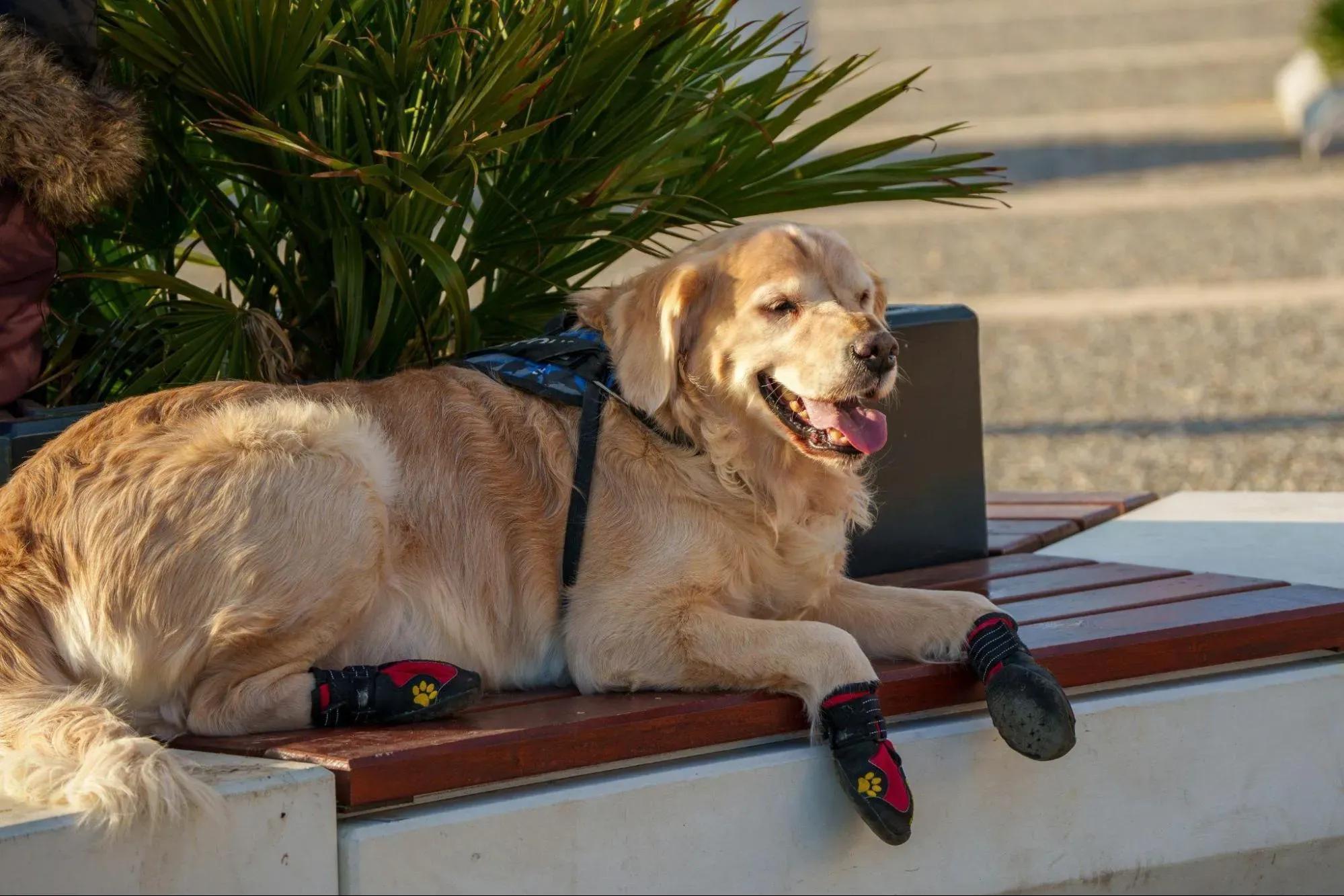
Photo by Amo fif on Unsplash
Mobility challenges in dogs are often associated with the hind legs, but front-leg issues can be even more disruptive to daily movement. Because dogs naturally carry most of their weight on their front limbs, any weakness or injury in that area can affect balance, posture, and overall activity. This makes front-leg support a critical part of maintaining both physical health and quality of life.
As approaches to pet care become more advanced, the goal is no longer to limit movement during recovery, but to find ways to safely maintain it. This shift has led to more specialized mobility solutions designed to support dogs without reducing their independence.
Supporting the Front of the Body Requires a Different Approach
Front-leg mobility challenges require a different kind of support compared to rear-leg conditions. Instead of lifting the back half of the body, the focus is on stabilizing the chest and shoulders while allowing the hind legs to continue providing propulsion.
Solutions such as a dog wheelchair for front legs are designed to redistribute weight in a way that reduces strain on weakened limbs while still enabling forward movement. This allows dogs to remain active without placing unnecessary pressure on injured areas, which is essential for both recovery and comfort.
Weight Distribution Plays a Central Role in Comfort
Because the front legs handle a significant portion of a dog’s weight, even minor issues can lead to noticeable discomfort. Proper support systems help shift that weight more evenly, reducing pressure on joints and soft tissues.
This redistribution not only improves mobility but also minimizes the risk of further injury. Over time, reducing strain on affected areas can make a meaningful difference in how comfortably a dog is able to move and engage with its environment.
Movement Helps Prevent Secondary Health Issues
When a dog becomes less mobile, other health issues can quickly follow. Reduced activity often leads to muscle loss, joint stiffness, and decreased circulation, all of which can complicate recovery.
Maintaining movement, even in a supported form, helps prevent these secondary effects. Mobility aids allow dogs to continue walking and exploring, which supports overall physical health and reduces the likelihood of additional complications developing over time.
Adjustment Period Leads to Long-Term Independence
Introducing any mobility aid requires a period of adjustment. Dogs need time to understand how to move with the added support, especially when their natural balance has changed.
With consistent use and gradual introduction, most dogs adapt well. Once they become comfortable, the device becomes part of their normal movement rather than an obstacle, allowing them to regain confidence and independence in their daily routines.
Fit and Adjustability Influence Effectiveness
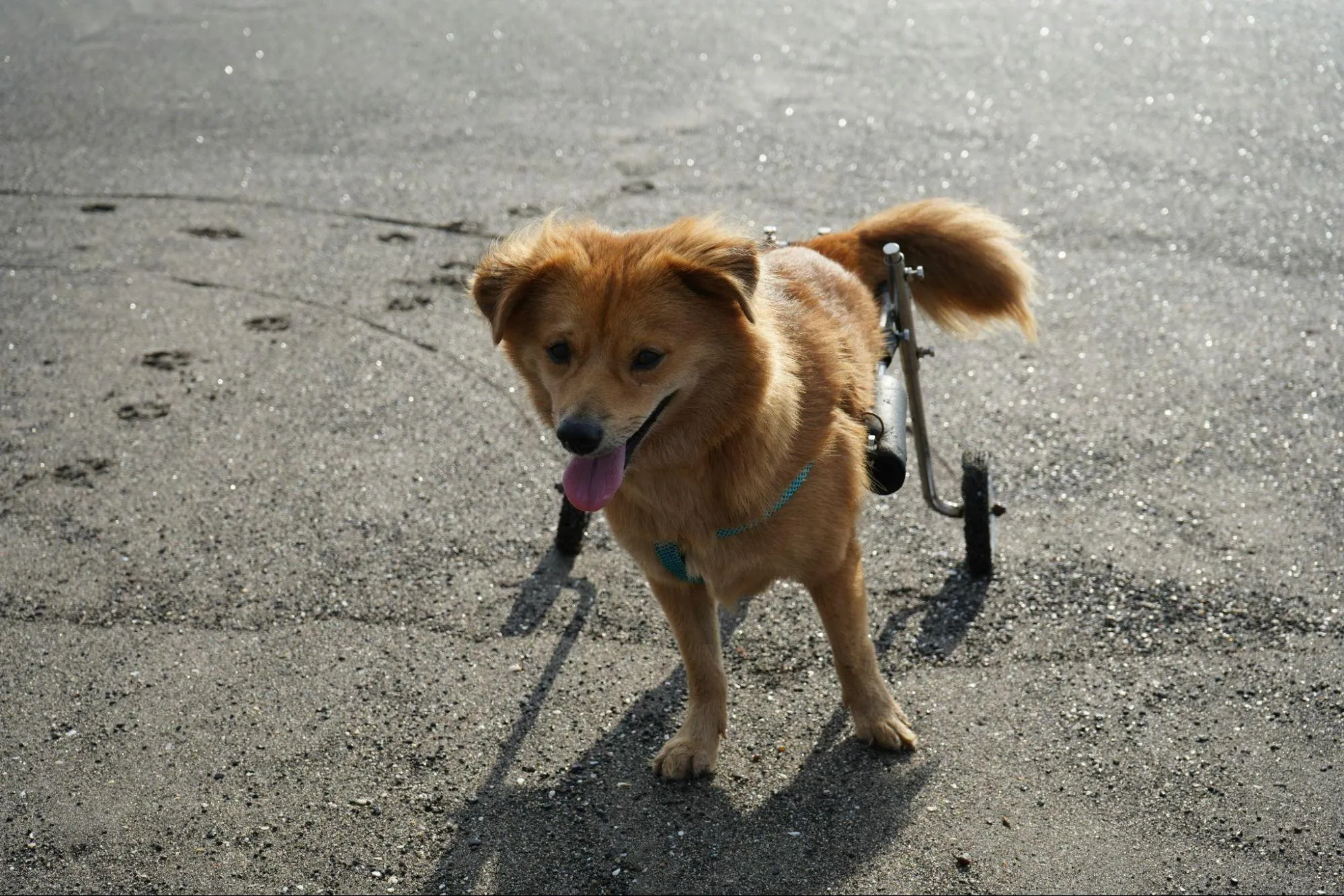
A properly fitted mobility device is essential for both safety and comfort. Adjustable designs allow for customization based on a dog’s size, weight, and specific condition, ensuring that support is distributed correctly.
This flexibility also makes it easier to adapt the device as the dog’s needs change, whether during recovery or as part of long-term care. A good fit helps prevent issues such as imbalance or irritation, making consistent use more practical.
Emotional Well-Being Is Closely Connected to Mobility
Mobility is not only a physical concern but also an emotional one. Dogs that are unable to move freely often become less engaged with their surroundings and less responsive to interaction.
Restoring movement helps bring back normal behaviors such as exploring, playing, and interacting with people. This improvement in engagement can have a positive effect on mood and overall well-being, making mobility support an important part of holistic care.
Everyday Use Makes Support More Effective
For mobility solutions to have a lasting impact, they need to be used consistently. Devices that are easy to handle and integrate into daily routines are more likely to become part of regular care.
When mobility support fits naturally into everyday life, it allows dogs to maintain activity levels without disruption. This consistency is what leads to meaningful improvements over time.
Veterinary Perspective on Active Recovery
Veterinary guidance increasingly supports the idea that maintaining activity, even in a modified form, is beneficial for recovery and long-term health. Organizations like the American Kennel Club emphasize that mobility aids can help dogs stay active and preserve muscle function, particularly when dealing with limb weakness or injury.
This perspective reinforces the shift toward active, supportive care rather than prolonged restriction.
A More Active Model of Pet Care
The use of front-leg mobility support reflects a broader change in how pet care is approached. Instead of focusing solely on limitations, the emphasis is now on enabling movement in ways that are safe and sustainable.
This approach allows dogs to remain part of everyday life, maintaining both physical activity and emotional connection. As mobility solutions continue to evolve, they are helping redefine recovery as something active, supportive, and integrated into daily living rather than something that happens in isolation.