

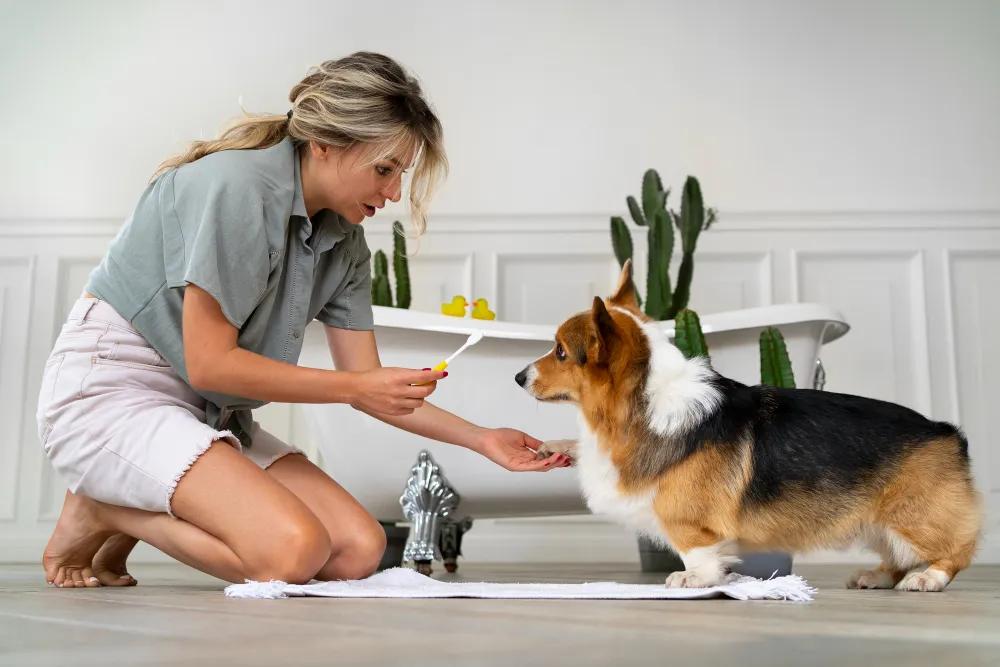
Few experiences match the excitement of bringing home your first dog. The wagging tail, the eager eyes, and the promise of unconditional companionship make it one of life's most rewarding decisions. But beneath that initial thrill lies a serious responsibility that catches many first-time owners off guard. From unexpected behavioral challenges to grooming demands and veterinary costs, the reality of dog ownership requires thoughtful preparation long before you pick up that leash.
Choosing the right breed is arguably the most critical decision you'll make as a new dog owner. The wrong match can lead to frustration, an unhappy pet, and even rehoming situations that break hearts on both sides. The right match, however, creates a bond that enriches your life for years to come. This guide walks you through everything you need to know about selecting a beginner-friendly breed, with particular attention to apartment-friendly options like the Bichon and Pug. You'll also learn essential grooming practices for small breeds and discover when professional grooming becomes worthwhile, giving you the confidence to provide excellent care from day one.
How to Choose the Perfect Beginner Dog Breed
Selecting your first dog breed isn't about falling in love with a cute face on social media. It's about honest self-assessment and understanding what different breeds actually need to thrive. The best beginner breeds share several traits: forgiving temperaments that tolerate rookie mistakes, moderate energy levels that won't overwhelm you, and predictable behaviors that respond well to basic training. Size matters too, especially if you're choosing a dog breed for apartment living, where space constraints, noise policies, and limited outdoor access shape daily life.

Start by evaluating your budget realistically. Beyond adoption fees, factor in food, veterinary care, pet insurance, grooming supplies, and unexpected emergencies. Some breeds are prone to health issues that drive costs significantly higher over their lifetime. Next, consider family compatibility. If you have young children, you need a breed known for patience and gentle play rather than one that's easily startled or resource-guards. If you live alone and work full-time, separation anxiety becomes a major concern, ruling out breeds that can't handle solitude. The goal is finding a dog whose natural tendencies align with your existing life rather than forcing dramatic lifestyle changes that become unsustainable within months.
Factors to Consider for Apartment Living
Apartment dogs need more than just small bodies. Successful apartment breeds tend to bark infrequently, avoiding noise complaints that strain neighbor relationships. They adapt well to indoor environments without becoming destructive from boredom, and they don't require miles of daily running to stay mentally balanced. Minimal shedding is another practical consideration since small spaces show dog hair more conspicuously and air circulation is limited. Look for breeds described as calm, adaptable, and people-oriented. Dogs that bond closely with their owners and find contentment in proximity rather than constant activity make the smoothest transition to apartment life.
Evaluating Your Lifestyle and Commitment
Be brutally honest about your daily schedule. A dog that needs 90 minutes of exercise won't suit someone working 10-hour shifts with a long commute. Consider how much time you can dedicate to training sessions, which should happen in short daily bursts for at least the first year. Socialization demands are equally important since puppies need regular exposure to new people, animals, and environments during their critical developmental windows. If your weekends are packed with travel or social commitments, choose a breed that's adaptable and portable rather than one that thrives on rigid routines. Your future dog's happiness depends on fitting naturally into the life you actually live.
Top Recommended Dog Breeds for Beginners
Not all small dogs make great starter pets. Some toy breeds are surprisingly demanding, prone to aggression, or carry genetic health burdens that overwhelm inexperienced owners. The breeds that consistently earn recommendations for beginners combine manageable size with stable temperaments, reasonable health profiles, and a willingness to forgive training inconsistencies. They tend to read human emotions well, making communication feel intuitive even when you're still learning canine body language. Understanding each breed's specific needs, potential drawbacks, and realistic day-to-day demands helps you move beyond surface-level appeal toward a truly informed decision.
One common misconception is that all small breeds are automatically easy. Some, like Jack Russell Terriers or Dachshunds, pack intense drive and stubbornness into compact frames that challenge even experienced handlers. Others, like Chihuahuas, can develop fear-based reactivity without careful socialization. The dog breeds for beginners highlighted below stand out because they genuinely suit newcomers who are willing to provide basic care and consistent affection without needing advanced training expertise or athletic lifestyles.
Spotlight on Bichon: A Fluffy Companion
The Bichon Frise thrives on human interaction and adapts remarkably well to apartment environments. Their cheerful, playful disposition makes them natural mood-lifters, and they rarely display aggression toward strangers or other animals. Bichons produce minimal dander despite their fluffy coats, making them a practical choice for allergy-sensitive households. The tradeoff is their grooming demand. That cotton-ball coat mats quickly without regular brushing, and they require professional trimming every four to six weeks. They can also develop separation anxiety if left alone for extended periods, so they suit owners who work from home or can arrange midday companionship.
Spotlight on Pug: The Charming Charmer
Pugs were literally bred to be companions, and their affectionate, clownish personalities reflect centuries of that purpose. They require surprisingly little exercise compared to other breeds, content with short walks and indoor play sessions. Their adaptable nature makes them excellent apartment dogs who rarely bark excessively. However, prospective owners must understand their brachycephalic anatomy. That flat face creates breathing difficulties, heat sensitivity, and susceptibility to eye injuries. Pugs also gain weight easily, making portion control essential. Despite these health considerations, their low-maintenance temperament and devotion to their owners make them forgiving first dogs for those prepared to monitor their physical wellbeing.
Other Beginner-Friendly Breeds to Consider
The Cavalier King Charles Spaniel offers a gentle, eager-to-please nature that responds beautifully to positive reinforcement training. They're slightly more active than Pugs but remain manageable for most lifestyles. Shih Tzus bring a calm, dignified presence to small spaces and tolerate being alone better than Bichons, though their long coats demand consistent maintenance. For those wanting minimal grooming with maximum companionship, French Bulldogs provide sturdy, quiet companionship, though they share some respiratory concerns with Pugs. Each of these breeds rewards basic attentive care with deep loyalty.
Essential Dog Grooming for Small Breeds
Grooming isn't just about keeping your dog looking cute. For small breeds, regular grooming prevents painful matting, catches skin issues early, and maintains overall health in ways that directly affect your dog's comfort and longevity. Many first-time owners underestimate how quickly grooming tasks pile up or assume that small dogs require less maintenance than larger ones. In reality, breeds like the Bichon demand more consistent coat care than many medium-sized dogs, while Pugs need specialized attention to their facial folds and wrinkle-prone skin.
Establishing a dog grooming routine early creates a positive association that makes the process easier as your dog matures. Puppies who learn to accept brushing, nail handling, and bathing during their first months grow into adults who cooperate rather than fight every grooming session. The key is consistency without overwhelming your pet. Short, gentle sessions build trust gradually. Investing in quality tools from the start also makes a noticeable difference since cheap brushes pull hair painfully and dull nail clippers crush rather than cut cleanly. Think of grooming as bonding time that simultaneously serves a health function, and you'll find it becomes a natural part of your weekly rhythm rather than a dreaded chore.
Basic Grooming Routines for Beginners
For Bichons, daily brushing with a slicker brush prevents the tangles that quickly become solid mats close to the skin. Work in sections, lifting the top coat to reach the dense undercoat where knots hide. Bathing every three to four weeks with a gentle dog shampoo keeps their white coat bright without stripping natural oils. Pugs need a different approach: weekly brushing with a rubber grooming mitt controls their surprisingly heavy shedding, while their facial wrinkles require daily wiping with a damp cloth to prevent bacterial buildup. For both breeds, trim nails every two to three weeks when you hear clicking on hard floors, and check ears weekly for redness or odor that signals infection. Introduce each task separately, rewarding calm behavior with treats to build positive associations.
Common Grooming Challenges and Solutions
Tear staining plagues many small white-coated breeds, leaving rusty streaks beneath the eyes. Daily wiping with a warm damp cloth and keeping facial hair trimmed short reduces staining significantly. For Pugs, skin fold dermatitis is the primary concern. Keeping wrinkles dry after cleaning and applying a veterinarian-recommended barrier cream prevents the moist environment where yeast thrives. Shedding control for heavy-shedding breeds improves dramatically with consistent brushing and a diet rich in omega fatty acids, which strengthens the coat from within. Some owners also find that lightweight dog clothing from brands like Fitwarm helps contain shedding around the home while keeping small breeds warm during cooler months. If your dog resists grooming, break sessions into two-minute intervals spread throughout the day rather than forcing a lengthy session that creates lasting anxiety. Desensitization paired with high-value rewards transforms reluctant dogs into cooperative grooming partners over several weeks of patient practice.
When to Opt for Professional Grooming
Home grooming covers daily maintenance, but certain situations demand professional expertise that no amount of YouTube tutorials can replace. For breeds like the Bichon Frise, achieving a proper breed cut requires scissoring skills that take groomers years to develop. Attempting complex cuts yourself risks uneven results at best and skin nicks at worst. Professional groomers also handle tasks that many owners find intimidating, such as expressing anal glands, removing deeply embedded mats without causing pain, and trimming around sensitive areas like eyes and paw pads where one wrong move causes injury.
Recognizing when your dog needs professional intervention prevents small issues from becoming serious problems. If you notice mats forming close to the skin that you can't gently work out with a detangling spray and comb, a groomer can remove them safely without traumatizing your dog. Overgrown nails that have curved into the paw pad require professional handling, as does any skin condition you can't identify confidently. Cost concerns are valid, but consider professional grooming an investment in prevention. A groomer who sees your dog regularly often spots lumps, parasites, dental issues, or ear infections before they become expensive veterinary problems. Most small breeds benefit from professional sessions every four to eight weeks, with home maintenance between visits keeping the coat manageable and your dog comfortable.
Benefits of Professional Grooming Services
Professional groomers bring specialized knowledge that goes beyond aesthetics. They understand coat structure for specific breeds, knowing exactly how to hand-strip, clip, or scissor different textures without damaging hair follicles. For Bichons, a skilled groomer maintains the rounded silhouette that prevents matting patterns from recurring quickly. They also perform thorough health assessments during each session, checking skin condition, ear health, teeth, and nail beds with trained eyes that catch abnormalities early. The time savings alone justify regular appointments for busy owners. What takes you an hour of stressful wrestling might take a professional twenty calm minutes because the dog responds to confident, experienced handling. Many groomers also offer deshedding treatments, teeth brushing, and conditioning treatments that improve coat health between visits.
How to Choose a Reliable Groomer
Start by asking your veterinarian for recommendations, as they often know which local groomers handle small breeds with appropriate gentleness. Visit the facility before booking. Look for clean workstations, calm dogs in holding areas, and groomers who interact patiently rather than rushing through appointments. Ask about certifications from recognized organizations, which indicate formal training beyond basic skills. Request a trial session for a simple bath and brush before committing to a full groom, observing how your dog responds when you return. Read online reviews specifically from owners of your breed, since handling a Bichon's coat differs dramatically from grooming a Pug. A good groomer communicates openly about what they find during sessions, provides aftercare instructions, and never rushes you out the door. Building a long-term relationship with one groomer gives your dog consistency and gives the groomer baseline knowledge of your pet's normal condition.
Building a Lasting Bond with Your First Dog
Choosing your first dog is a decision that shapes your daily life for the next decade or more, which is why matching a breed's natural tendencies to your actual lifestyle matters far more than appearance or popularity. Breeds like the Bichon Frise and Pug consistently prove themselves as excellent companions for beginners, particularly those living in apartments where space, noise, and exercise limitations require an adaptable, people-focused dog. Both breeds reward attentive owners with deep affection, though each comes with specific care requirements you should embrace rather than overlook.
Grooming forms the backbone of responsible small-breed ownership. Establishing consistent home routines, from daily brushing for your Bichon to wrinkle cleaning for your Pug, prevents health problems while strengthening your bond. Complement that home care with professional grooming every four to eight weeks, and you create a comprehensive approach that keeps your dog comfortable, healthy, and looking their best. The journey of dog ownership involves continuous learning, so connect with breed-specific communities, build relationships with your veterinarian and groomer, and remain open to adjusting your approach as you grow together. The companionship waiting on the other side of that preparation is genuinely life-changing.