

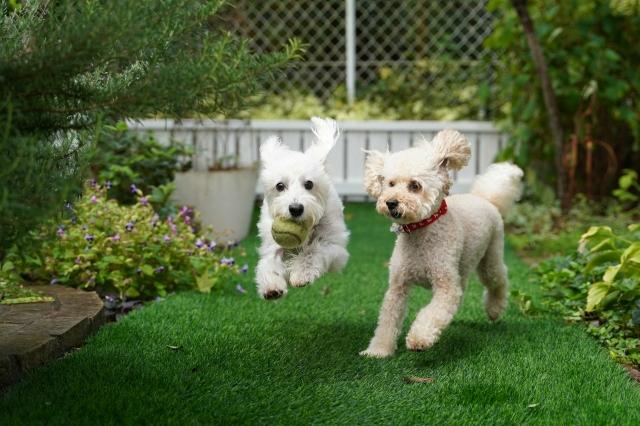
If you are a pet parent, you probably know the importance of outdoor time for them. PetGuide.com highlights how it keeps them stimulated, boosts mobility, and enables them to spend the extra energy. This, in turn, keeps behavioral issues at bay. However, you need to ensure that they have a safe space outdoors.
Creating a safe and welcoming backyard for your pets doesn’t have to drain your wallet. You can start small with artificial turf, as Indy Turf and Landscape notes that it works as a safe ground cover. Besides being non-toxic, artificial turf is easy to maintain when pet paws move around across your landscape.
Besides opting for artificial turf, you can consider some simple adjustments to transform your outdoor space into a secure paradise for your furry friends. Whether you have a curious dog or a playful cat, pet-proofing helps protect both your animals and your property.
Create Boundaries and Barriers
People magazine narrated a freak incident when a Florida dog was attacked by an alligator while enjoying his backyard. Zeus, a German Shepherd, sustained several injuries, including a fractured jaw and puncture wounds to the neck. He was dragged by the alligator in a pool, but managed to escape.
While such incidents are rare, pets should be safeguarded with boundaries and barriers when outdoors. This ensures that your pets can’t escape or wander into risky areas. Check your fences and inspect the perimeter for gaps, holes, or loose boards. Even small spaces can be an escape route, so patch these with inexpensive chicken wire or wood scraps.
Ensure gates latch securely and add self-closing hinges. Some pets love to dig near the fence line. To prevent this, bury chicken wire or concrete paving stones a few inches deep along the base of the fence. If you don’t have a full fence, consider portable pet playpens or garden border edging to serve as movable boundaries.
Store Equipment Safely
Backyards often double as storage spaces for gardening tools, chemicals, and other equipment. These items can be serious hazards to pets if they get too curious. Storing them safely and out of reach is the simplest way to address the threat they pose.
Secure garden tools, such as rakes, shovels, and sharp tools, in a shed or wall-mounted rack. This prevents injuries and keeps clutter minimal. Lock up toxic chemicals, like fertilizers, weed killers, and bug sprays. Keep them in sealed containers on high shelves or inside a locked storage box.
Remember to cover garbage bins with tight-fitting lids, and secure them with bungee cords: The smell of leftover food or scraps can tempt dogs and cats to dig through the trash. Tie up electrical cords and bundle garden hoses to prevent accidental chewing or tripping.
Create Safe Zones
Not all parts of your yard need to be accessible to your pets. However, ensure that there are safe zones to control where your pets can play and relax. Set up a designated play area with soft grass, mulch, or pet turf for comfort. Add a few toys, like chew ropes or tunnels, to create enrichment.
Be extra careful with safety zones if you have a backyard pool. A report by UPI stated that a dog was rescued when it was actively drowning in a backyard pool. The incident occurred in a New Jersey home in May, 2025. The canine was in distress and would have drowned, had it not been saved by two patrolmen.
Another pet–proofing measure you must implement is to install pet-friendly surfaces: Concrete or gravel can get hot and hurt paws. Instead, choose cooler materials like wood decking or artificial turf. A shaded zone or small canopy gives your pet a place to cool down and relax. Low garden edging or decorative fencing can mark off spaces like flower beds, preventing pets from digging or trampling them.
Avoid Toxic Plants
Many harmless-looking garden and ornamental plants are toxic to pets if ingested. Dogs and cats are particularly at risk since they love to explore with their mouths. A pet-proof backyard should not have such plants that may pose a danger to your four-legged companions.
HouseDigest notes that some common plants, when ingested, may just cause an upset stomach. However, just a tiny nibble of others can cause heart arrhythmias, seizures, organ failure, and death. Plants like lilies, azaleas, sago palms, tulips, and oleander should be absolutely avoided.
Replace them with pet-safe options, such as sunflowers, marigolds, snapdragons, and Boston ferns. Even herbs like rosemary and basil are safe. Check fertilizers and mulch as well. Some fertilizers contain cocoa shell mulch, which is toxic to dogs. Opt for organic compost or pine-based mulch instead. Also, avoid chemical insecticides and use neem oil or vinegar-water sprays to repel bugs.
FAQs
How to keep a backyard clean with dogs?
Regular maintenance makes backyard cleanup easy and inexpensive for dog parents. Scoop waste daily and rinse areas with a garden hose. Sprinkle baking soda or pet-safe deodorizer to manage odors. Mow regularly to reduce fleas and ticks, and train your dog to use a designated potty spot to curb mess.
Are outdoor pools dangerous for pets?
Yes, they can be, if not properly supervised. Some pets can’t swim, and even experienced swimmers can tire quickly. Dog parents should provide steps or a ramp for easy exit. They should also consider fencing off the pool or using a secure cover when not in use. Pets should be wiped down after swimming to remove chlorine or bacteria.
How can a dog get injured in the backyard?
Backyard injuries often come from sharp objects, thorny plants, exposed nails, or uneven terrain. Dogs might also get hurt jumping from high surfaces or ingesting toxic plants or chemicals. Regular inspection and maintenance help limit these hazards before they cause harm.
Turning your backyard into a safe space for pets doesn’t have to be complicated. With DIY solutions, regular inspection, and thoughtful design, you can create a secure outdoor space for your furry buddy to thrive. The key is to anticipate their behavior—dogs will dig, cats will climb, and every pet will explore. Adjust your space around their instincts to have a secure and comfortable backyard.