

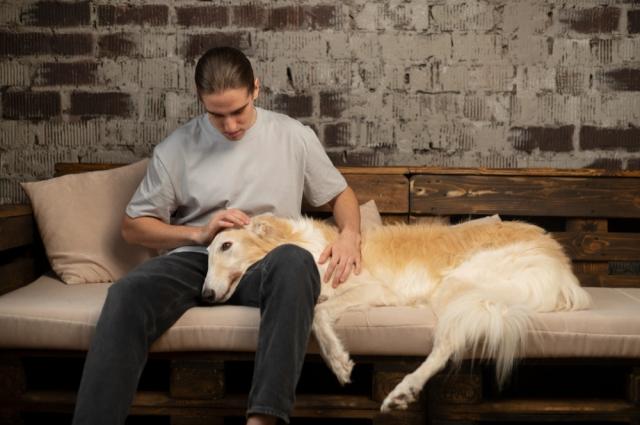
As our dogs age, their health needs change, and owners often face challenges that were not present during their pet’s younger years. One of the more distressing issues that can arise in senior dogs is bowel incontinence. Often misunderstood, bowel incontinence can significantly affect a dog’s quality of life and impact the household dynamic. Understanding the signs, causes, and management strategies is essential for responsible pet ownership.
What is Bowel Incontinence in Dogs?
Bowel incontinence, sometimes referred to as fecal incontinence, is the inability of a dog to control its bowel movements. Unlike occasional accidents, which can happen due to stress, dietary changes, or illness, bowel incontinence is persistent and may occur without warning. Dogs with this condition may soil themselves, struggle to maintain hygiene, and show signs of discomfort or distress.
While bowel incontinence can affect dogs of any age, it is particularly common in senior dogs due to age-related changes in their bodies. Age can lead to weakening of the anal sphincter muscles, neurological degeneration, or underlying medical conditions that impair bowel control.
Common Causes of Bowel Incontinence in Senior Dogs
Understanding the underlying causes of bowel incontinence is crucial in providing effective treatment and management. Some common causes include:
1. Age-Related Muscle Weakness
As dogs age, the muscles responsible for controlling bowel movements can weaken. The anal sphincter muscles, which hold fecal matter until the dog can eliminate it, may lose strength, leading to involuntary leakage.
2. Gastrointestinal Disorders
Senior dogs are prone to gastrointestinal issues such as chronic diarrhea, inflammatory bowel disease (IBD), infections, or other digestive disorders. These conditions can result in soft or frequent stools, which may be difficult for an aging dog to control.
3. Neurological Conditions
Certain neurological disorders can impair the signals between the brain, spinal cord, and anal sphincter muscles. Conditions like degenerative myelopathy, spinal injuries, or nerve damage from arthritis can contribute to bowel incontinence in older dogs.
4. Tumors or Obstructions
Tumors in the spinal cord or gastrointestinal tract, or physical obstructions near the rectum, can affect bowel control. These cases require prompt veterinary evaluation to prevent further complications.
5. Side Effects of Medications
Some medications, particularly those used to manage chronic conditions common in senior dogs, can cause diarrhea or loosen stool consistency, contributing to incontinence.
For a more detailed exploration of the causes and treatment options for elderly dogs with this condition, refer to canine bowel incontinence.
Signs That Your Senior Dog May Be Experiencing Bowel Incontinence
Early recognition of bowel incontinence allows for timely intervention and improved management. Some common signs to watch for include:
- Accidental Soiling: One of the clearest signs is uncontrolled defecation, often in the house or other inappropriate locations. This may occur immediately after a walk or in areas where the dog normally does not eliminate.
- Tail and Rear-End Hygiene Issues: Dogs may develop matted fur, skin irritation, or infections around the anus due to repeated exposure to fecal matter.
- Changes in Stool Consistency: Loose or watery stools are harder to control, increasing the likelihood of accidents. Chronic diarrhea or intermittent soft stools can indicate an underlying issue.
- Behavioral Changes: Dogs may exhibit anxiety, restlessness, or reluctance to go outdoors for elimination. Some dogs may become withdrawn or show signs of discomfort when attempting to defecate.
- Loss of Control During Sleep: In some cases, bowel leakage may occur during sleep, reflecting severe sphincter weakness or neurological involvement.
Diagnosing Bowel Incontinence in Senior Dogs
A proper diagnosis begins with a thorough veterinary examination. Your veterinarian may recommend several diagnostic steps:
- Physical Examination: Checking the anal sphincter tone, palpating the abdomen, and evaluating neurological function.
- Blood Work: To detect infections, metabolic disorders, or organ dysfunctions that may contribute to bowel issues.
- Fecal Testing: To identify parasites, bacterial imbalances, or other gastrointestinal problems.
- Imaging Studies: X-rays or ultrasounds may be used to detect tumors, obstructions, or spinal issues affecting bowel control.
- Neurological Evaluation: To assess nerve function and determine if degenerative or injury-related neurological conditions are present.
Early diagnosis is crucial for successful management and treatment, especially when underlying medical conditions are involved.
Treatment and Management Options
Treatment for bowel incontinence in senior dogs depends on the underlying cause. There is no one-size-fits-all solution, but a combination of medical, dietary, and lifestyle interventions can significantly improve quality of life.
1. Medical Interventions
Veterinarians may prescribe medications to manage diarrhea, inflammation, or infections. In cases of neurological issues, therapies may focus on symptom management rather than complete resolution.
2. Dietary Adjustments
High-fiber diets can help improve stool consistency, making it easier for dogs to control bowel movements. Specialized senior dog diets and supplements designed to promote digestive health can also be beneficial.
3. Rehabilitation and Physical Therapy
Physical therapy can help strengthen the pelvic and core muscles, improving sphincter control. Rehabilitation exercises may include targeted muscle strengthening, balance training, and guided mobility routines.
4. Home Care Strategies
Maintaining proper hygiene is critical. Dog diapers or washable pads can protect your home and prevent skin irritation. Regular cleaning, grooming, and monitoring of affected areas reduce the risk of secondary infections.
5. Surgical Interventions
In rare cases, surgery may be necessary to correct anatomical defects, remove tumors, or repair nerve damage. Your veterinarian will determine if surgical options are appropriate based on the severity and underlying cause.
Enhancing Quality of Life for Dogs with Bowel Incontinence
Living with bowel incontinence can be challenging for both the dog and the owner. However, several strategies can make daily life more manageable:
- Establish a Routine: Frequent and scheduled bathroom breaks help reduce accidents.
- Comfortable Living Spaces: Easy-to-clean bedding, accessible outdoor areas, and safe flooring can prevent stress and injury.
- Monitoring Health: Regular veterinary check-ups are essential to catch new or worsening symptoms early.
- Emotional Support: Patience, reassurance, and positive reinforcement can reduce anxiety and improve overall well-being.
When to Seek Immediate Veterinary Care
Owners should seek prompt veterinary attention if they notice:
- Sudden or severe bowel incontinence
- Blood in stool or persistent diarrhea
- Signs of pain or discomfort while defecating
- Neurological symptoms such as weakness, loss of coordination, or incontinence accompanied by urinary issues
Timely intervention can prevent complications, improve outcomes, and enhance the dog’s quality of life.
Conclusion
Bowel incontinence in senior dogs is a complex issue that requires careful attention and compassionate care. Recognizing the signs early, understanding the underlying causes, and implementing effective treatment and management strategies can significantly improve the life of an aging dog.
For pet owners seeking a deeper understanding of treatment options and causes, exploring resources on canine bowel incontinence can provide valuable guidance.
By staying informed and proactive, dog owners can ensure that their senior pets continue to live comfortable, happy, and dignified lives, despite the challenges of aging.