

Along the shallows, flounder can seem like obvious targets until darkness takes away the small details that give them away. In fact, what makes flounder hard to spot at night usually comes down to a mix of variables working together. Even when fish are holding nearby, flounder can settle in so well that the bottom looks empty. Nighttime gigging rewards patience more than speed.
Their Camouflage Blends Into the Bottom
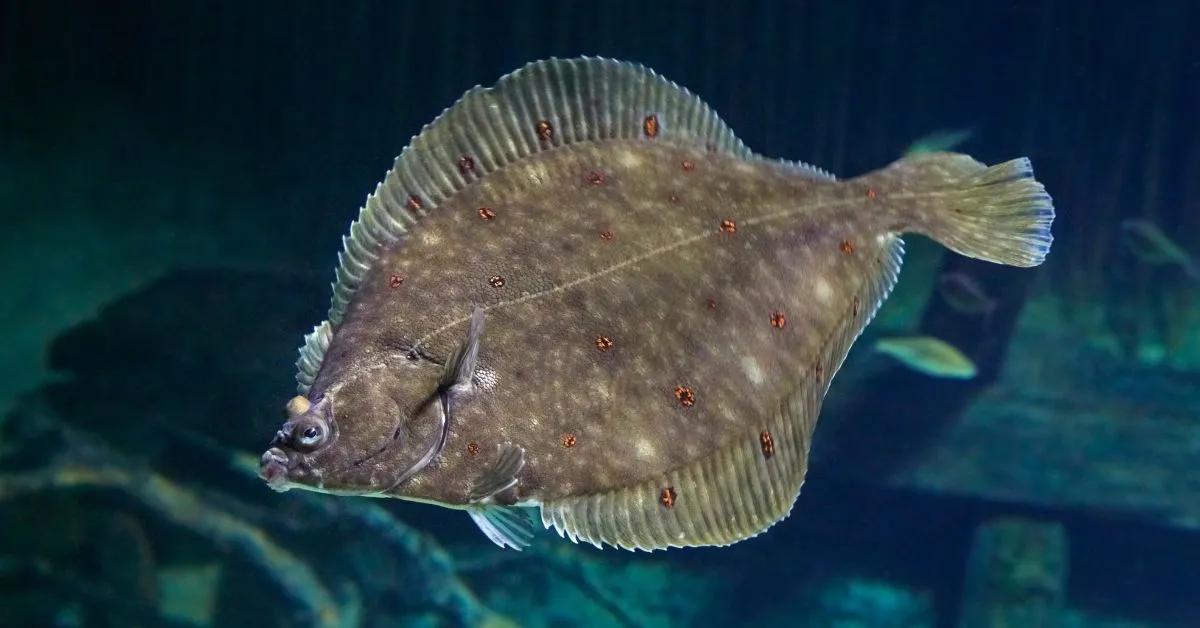
Flounder are built to disappear. Their flat bodies blend into the surrounding colors and textures, so the outline that would stand out in daylight becomes much harder to discern after dark. A fish can look like nothing more than a slight change in the bottom sand. Sometimes the only giveaway is a faint edge or the placement of the eyes.
Water Movement Hides the Small Clues
Even mild movement in the water can make spotting flounder tougher. A little wind chop, stirred-up silt, or a weak current can blur the bottom enough to erase the contrast fishers depend on. Then the scene turns soft and uneven, which helps flounder stay hidden longer. Cleaner, calmer water usually makes those subtle shapes easier to catch.
Light Can Help or Hurt the View
A stronger light does not always create a better view. Harsh brightness can flatten the bottom of a body of water and throw glare across the surface, making important details fade instead of standing out. On the other hand, a controlled beam helps define the edges and reveal the body shape beneath the water’s surface. Carefully built DIY flounder gigging light setups can improve visibility by helping the bottom show more texture instead of washing it out.
Flounder Stay Still Until the Moment They Move
The behavior of flounder makes spotting them at night even more challenging. These fish stay motionless and rely on their camouflage, so there is no splash or ripple to draw attention to them. As a result, the eye keeps scanning while the fish remains locked in place. Then, once the flounder finally breaks from the bottom, it becomes clear how well it had been hidden.
Success Comes Down to Slowing Down
Night gigging usually favors fishers who move steadily and look for tiny irregularities. What makes flounder hard to spot at night is tied to the fish itself; it is also tied to how easily darkness erases small visual clues. The challenge is exactly what makes finding a flounder feel earned.