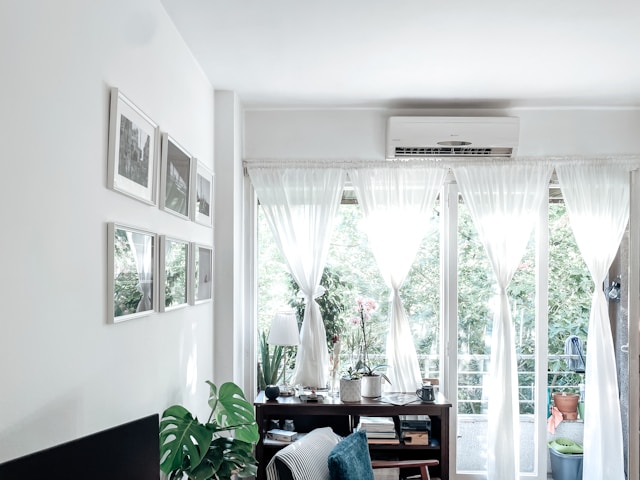
When the heat of summer is in full swing, your AC isn't merely a luxury but a necessity. Whether you're upgrading to a new unit or replacing an old one, doing it right can be the difference between seasons of relief and a series of service calls. From choosing the right system to ensuring a seamless setup, each decision plays a critical role in long-term performance and energy efficiency. HVAC technology is constantly evolving, and it’s important to be informed so you’re not left sweltering with regret later. Let’s dive into the seven essential things every homeowner should know before moving forward with an AC installation in Tomball, TX.
1. Understand Your Home’s Cooling Needs
Each house has specific cooling needs depending on square footage, layout, insulation, and sun exposure. A system that's too small will fail to cool you on a hot day, while one that's too big will turn on and off constantly, waste energy, and degrade parts. A qualified technician will usually perform a load calculation, taking square footage and other environmental variables into account to determine the optimal unit size. If your installer glosses over this step, it's a warning sign that may result in uneven temperatures or excessive utility bills. Spending money on a unit sized correctly for your unique needs sets the stage for long-term comfort and savings.
2. Prioritize Energy Efficiency Over Cost
As tempting as it may be to choose the lowest-cost system, energy efficiency should be a priority. Search for units with a high SEER (Seasonal Energy Efficiency Ratio) rating, which represents greater efficiency and lower bills in the long term. An efficient AC unit can pay for itself in the long term through saved electricity bills, particularly during hot heatwaves. Most new systems also include technology such as smart thermostats and variable-speed compressors that help to optimize energy usage throughout the day. When considering choices, always include possible energy savings, not only the initial cost.
3. Look at Ductwork Condition and Design
No matter how good an AC system is, it will not function efficiently if your duct system is substandard or failing. Air leaks, blockages, or severed sections can cut airflow, drive up energy consumption, and overwork your new equipment. Before installation, it’s smart to have your ducts inspected and sealed if necessary to ensure efficient delivery of cooled air. Proper duct design can also reduce hot and cold spots throughout your home, making the environment more comfortable year-round. Don’t overlook this critical component of your HVAC system—it’s as important as the unit itself.
4. Evaluate Installation Timing and Weather Conditions
Scheduling your AC unit installation can pay dividends in terms of cost and comfort. Installation crews are busiest during periods of extreme heat, so wait times will be longer and costs higher due to demand. Spring and autumn are frequently best for installation since temperatures are less severe and technicians are more accessible. Temperate weather also makes it simpler to test the performance of the new system without immediate overload. Schedule your installation in advance of the summer months to ensure you'll be cool and comfortable before it's in full swing.
5. Examine Warranties and Service Plans
A good warranty keeps you covered against defects in manufacturing and surprise breakdowns, so read it thoroughly before you sign off. Most AC units have a manufacturer's warranty that can range from 5 to 10 years, depending on the make and model. Some installers also provide service contracts that include periodic maintenance, tune-ups, and even priority service. These may pay for themselves over the years by prolonging the life of your system and saving you money. Understand what's included, what will void the warranty, and what type of AC maintenance in Tomball, TX, will keep it effective.
Deciding to have a new AC system installed is a significant home investment, and being informed will prevent you from falling into the trap. From the proper choice of unit and scheduling the installation to designing ductwork and energy efficiency, each consideration is added to your comfort. A wise strategy means you are not only cooling off but also gaining confidence. Long-term reliability and performance begin with making informed decisions now. Spend time doing your homework, and your future self will appreciate it when the temperature hits the stratosphere.
Are you ready to install a cooling system that brings both comfort and confidence? Consult with a trusted HVAC professional from Crossway Mechanical at 832-250-6191. Make your next AC upgrade a seamless experience that leaves no detail overlooked.
FAQs
1. What is the optimal size AC unit for my house?
The perfect size varies based on a number of factors such as square footage, ceiling height, window size, and the quality of insulation. A Manual J load calculation will be conducted by an HVAC technician to ensure that the system is sized correctly for optimal comfort and efficiency without overloading the system.
2. How frequently should my new AC system be maintained?
Regular maintenance should be performed at least once a year, preferably in the spring before the peak usage season. This maintains your system in optimal condition, detects early problems, and keeps you under warranty terms.