

From Creation to Continuity: How Image-to-Video AI Extends the Life of Visual Content
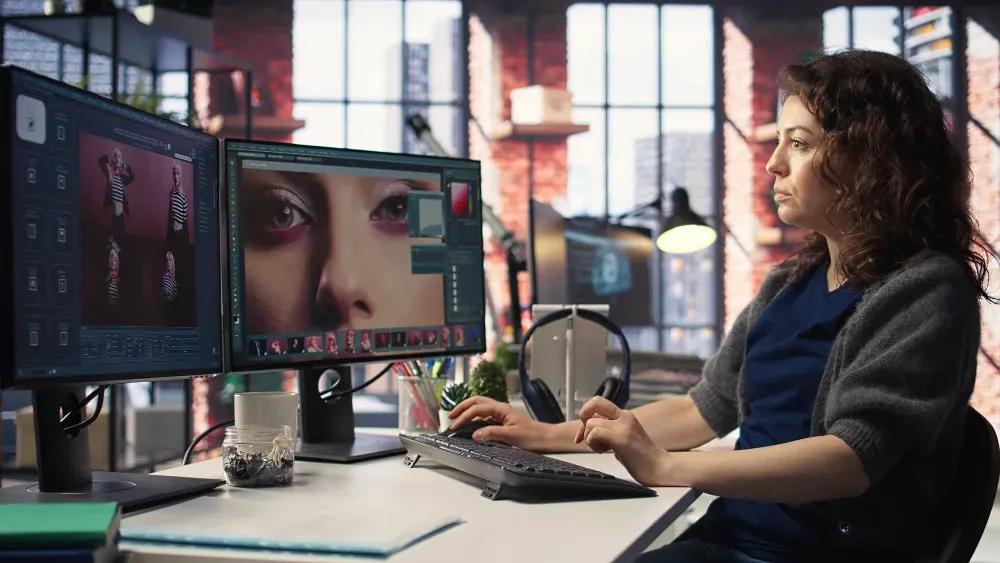
Image source: freepik
Introduction: Most Content Dies Too Young
Every day, brands and creators publish enormous volumes of visual content—product images, campaign visuals, illustrations, social graphics.
And most of it disappears almost immediately.
After a brief moment of attention, images are buried in feeds, archived in asset folders, or replaced by the next campaign. The problem is not lack of creativity, but lack of continuity. Visual content is treated as disposable rather than reusable.
This is where Image to Video AI introduces a fundamental shift: instead of creating more content, teams can extract more value from what already exists.
The Hidden Cost of One-Off Visuals
Traditional content workflows prioritize production over longevity.
A typical image is designed for:
One platform
One format
One moment in time
Once used, it is rarely adapted beyond resizing or cropping. Creating motion versions often requires additional planning, tools, and expertise—making reuse impractical.
This leads to:
High production pressure
Underutilized visual libraries
Short content lifespans
Constant demand for “new” assets
As content channels multiply, this inefficiency becomes increasingly unsustainable.
Turning Static Assets into Living Content
Image-to-video workflows change the role of visual assets.
Instead of being final outputs, images become starting points—raw material that can evolve across formats and contexts. Motion allows a single visual to be reinterpreted, refreshed, and redistributed without restarting the creative process.
This approach transforms content strategy in three key ways:
Longevity: Assets remain useful beyond their initial release
Adaptability: Visuals can be adjusted for different platforms and audiences
Consistency: Brand identity carries through motion without redesign
The result is not more content—but smarter content.
Creative Expansion Without Creative Burnout
For creators, motion adds dimensionality without demanding reinvention.
With arting.ai, visual artists and designers can extend their existing work into motion-based formats while preserving style and intent. Illustrations, portraits, and conceptual visuals gain rhythm and presence—without requiring advanced animation skills.
This enables:
Faster experimentation
Less creative fatigue
Greater expressive range from the same base material
Instead of constantly generating new ideas, creators can deepen and refine existing ones.
Operational Efficiency for Brands and Media Teams
For brands and media organizations, the value proposition is different—but equally important.
At scale, continuity is less about expression and more about efficiency.
This is where Image to Video AI becomes operational infrastructure rather than a creative novelty. By enabling motion reuse from existing visuals, teams reduce friction between production and distribution.
videoplus.ai focuses on this operational reuse: helping teams convert image assets into video formats aligned with modern channels. Product visuals, editorial graphics, and promotional images can be transformed into motion-ready content suitable for websites, social platforms, and ongoing campaigns.
This allows teams to:
Reduce dependency on constant new production
Respond faster to platform demands
Maintain visual coherence across channels
Maximize return on creative investment
Content stops behaving like a cost center and starts functioning as a scalable asset library.
Why Reusability Is Becoming a Competitive Advantage
As attention becomes fragmented, speed and flexibility matter more than perfection.
Brands that can adapt existing visuals into new formats quickly gain an advantage over those locked into rigid production cycles. Reusability enables faster testing, broader reach, and more consistent presence—without increasing workload.
In this context, image-to-video tools are not shortcuts. They are infrastructure.
They support a shift from campaign-based thinking to continuous content ecosystems, where visuals evolve rather than expire.
From Production Mindset to Asset Mindset
The deeper transformation is conceptual.
When teams adopt image-to-video workflows, they stop asking:
“What do we need to create next?”
And start asking:
“What else can this content become?”
This shift changes how visuals are planned, stored, and reused. Content creation becomes less about volume and more about potential.
Conclusion: Value Comes From What Content Can Become
In a saturated digital environment, the future does not belong to those who produce the most content—but to those who extract the most value from it.
By extending the lifespan of visual assets through motion, image-to-video workflows help creators and brands work smarter, not harder.
Platforms like arting.ai and videoplus.ai support this evolution from different angles—one emphasizing creative expansion, the other operational efficiency—but both point toward the same outcome: Content that continues to work long after it is first published