

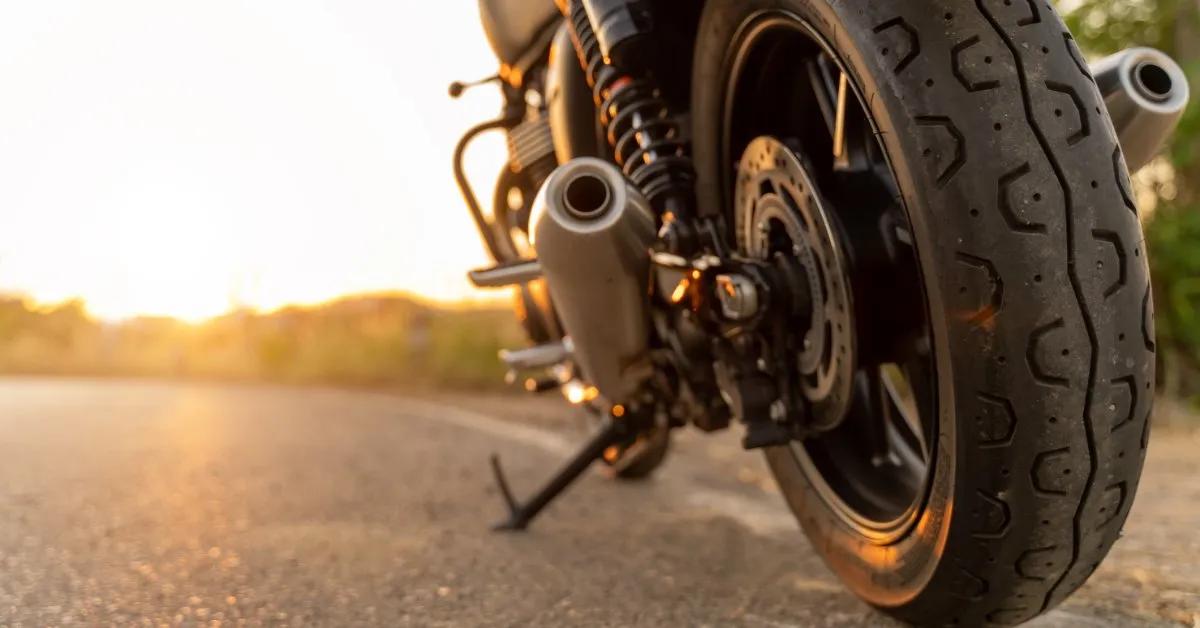
A weekend bike should give you a reason to ride more often, not become a project that sits unfinished in the garage. Many riders buy parts before having a clear plan, then find the bike uncomfortable, unreliable, or poorly suited to the roads they ride. The best builds start with a realistic view of how the motorcycle will be used and what compromises you are willing to accept. Here’s what to know before building a weekend bike.
Start With the Ride You Want
Before spending any money, decide exactly what your weekends look like. If most rides are two-hour loops on winding back roads, focus on handling, comfort, and fuel range. If you mainly ride into town for breakfast or local events, you may care more about styling and low-speed comfort than long-distance capability.
Be honest about mileage! Many imagine cross-country rides but rarely spend more than three hours in the saddle. A café racer with clip-on handlebars might look great but becomes uncomfortable quickly on longer rides.
Match the Bike to Your Confidence
Your confidence should guide your motorcycle choice more than appearance. A common mistake is choosing a bike based on social media trends rather than experience. For example, a 1200cc cruiser may look appealing, but its weight makes slow-speed maneuvers intimidating for newer riders. A middleweight standard motorcycle in the 500cc to 800cc range often provides enough power for weekend rides while remaining manageable in traffic and parking lots.
Exploring the different types of motorcycles can help you identify what fits your riding style. Standards are usually the easiest platform to customize because they offer neutral ergonomics and a wide range of aftermarket parts.
Respect Comfort Before Style
Comfort deserves attention from the start because it affects how often you ride. Invest in a quality seat before spending on cosmetic upgrades. A well-designed seat can transform a motorcycle more than a new exhaust or custom paint job.
Pay attention to handlebar position. Even a small change in bar height or reach can reduce fatigue in the wrist, shoulders, and lower back. Before buying expensive parts, spend time sitting on similar motorcycles and note what feels natural.
Keep the Budget Honest
A weekend bike project can become more expensive than expected, especially when hidden costs appear. If you buy an older motorcycle, assume it will need more than the seller claims. Budget for tires, brake pads, and suspension servicing. These items are often overlooked during the excitement of a new project.
A useful rule is to reserve at least 20 to 30 percent of your budget for unexpected repairs. For example, a bike purchased for $4,000 may easily require another $1,000 to $1,500 in maintenance before it becomes truly dependable.
As you learn what to know before building a weekend bike, you will also learn the value of patience. Good decisions usually come from riding the motorcycle before making changes. When you understand what to know before building a weekend bike, you end up with a ride that feels comfortable and enjoyable.