

Your Secret Garden Studio: How To Build a Shipping Container Home for Creativity
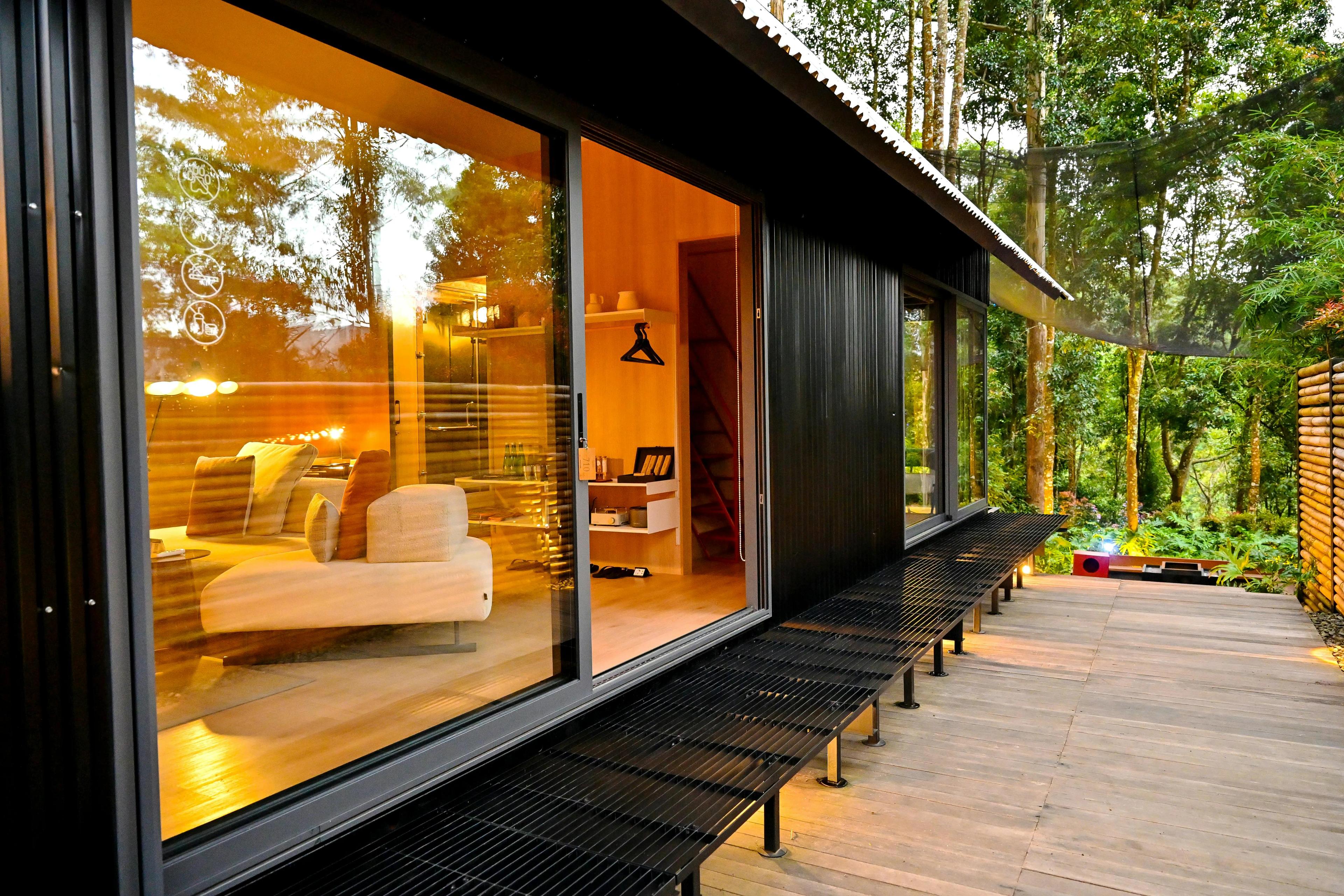
Creatives often need the right time and place to produce their art. Some go outdoors in a park or rent a co-working space. Meanwhile, others just stay at home and work in a dedicated room or nook. If you're the type who can't decide which is the best option for you, why not combine the two? You can build your own art studio in your garden with a shipping container.
Shipping containers have long been repurposed as buildings, including off-grid tiny houses. One at home, especially in your garden, would be great when you're pursuing artistic endeavors. These structures are generally sturdy and safe, with a sustainable design you can customize.
It takes some know-how to create a studio with container structures properly. So, here's your guide on how to build a shipping container home for your creative pursuits.
Choosing Your Container
Ideally, you should get a 20-foot container, as this size suits compact writing rooms or art studios. However, if you require extra space, a 40-foot container is more than enough for multiple creative zones.
Look for high cube containers, which provide around a foot of extra ceiling height. Taller ceilings will make your studio feel less cramped and allow space for shelves and lighting rigs. A good container also offers customization options in case you need a place with modular designs.
You must also select a chemical-free shipping container, so inspect the container carefully. Used containers are typically found to harbor toxic chemicals like methyl bromide and ethylene oxide. Prolonged exposure to these substances could lead to nausea, seizures, or even death. Avoid rusted containers, too, as deep corrosion eventually weakens the frame.
Trusted manufacturers are the best options for finding safe shipping container homes. Home builders specializing in container structures often use the highest-quality building materials. Reputable suppliers provide containers with strong structural integrity and long-lasting durability for garden studios.
Garden Placement
Artists recognize harmony in every element while respecting local building codes for outdoor structures. Treat your shipping container structure as part of your outdoor living space instead of just a metal box in the yard. Consider a hidden placement near tall trees and bushes to turn it into a 'secret retreat.' The nearby foliage also helps create a natural visual barrier from your main house.
Then consider the path leading to your studio. A winding walkway made of pavement or gravel and lined with plants adds to the natural aesthetics of the area. Once you step out of your home and onto the path, your mind soon shifts from daily life to creative time. As for the space around the container, leave some open spots for outdoor work zones.
Remember to mind building code restrictions while in the site preparation steps. Failing to follow local rules could get you in deep water. Secure planning approval after submitting the required paperwork, including building permits, before starting construction.
Light and Windows
Knowing how to build a shipping container home includes thoughtful window placement, especially with high cube containers. Even with a carefully planned indoor lighting system, you should still have windows in the right places.
If you prefer to work in the mornings, north-facing light is best since it stays consistent and reduces glare. Put larger windows on the side that receives the most balanced daylight throughout the day. You can also cut long horizontal holes near desk height for windows. Use these to get wide garden views without sacrificing wall space for shelving or decor.
Skylights introduce more light during the day, so you don't always have to rely on electrical power. This window placement also creates an illusion of a wider interior space in what could be a narrow container.
Sound and Silence Optimization
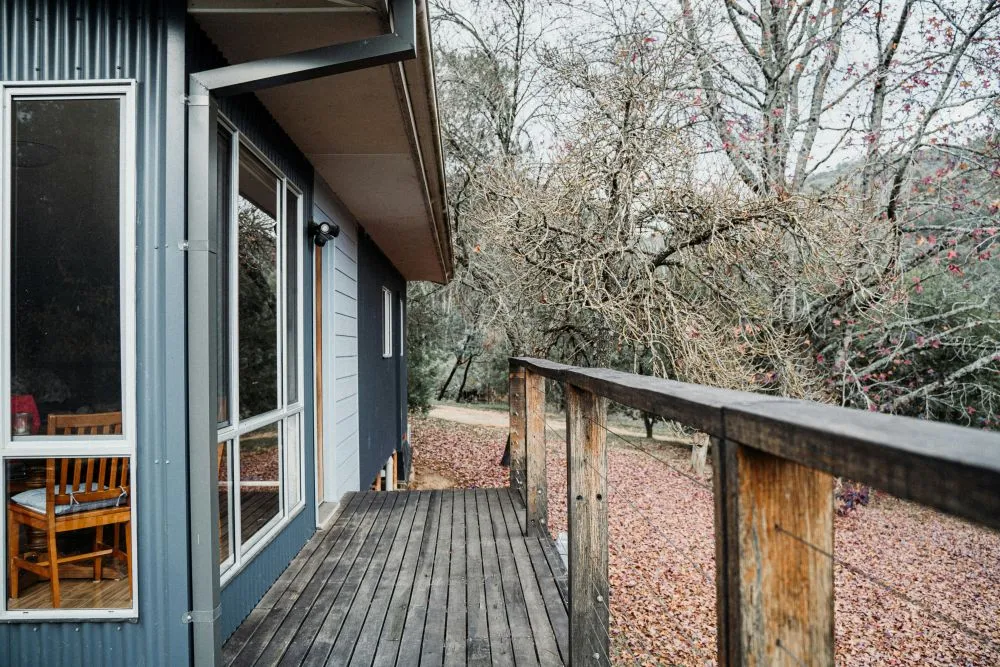
Many creative activities require focus, so if you need some silence while working, prioritize sound control. When you know how to build a shipping container home, you also know that insulation is your best friend here. It regulates both temperature and sound. Rock wool insulation may be ideal for creative spaces because it reduces echo and absorbs outside noise.
Install cork interior wall panels or acoustic boards for additional noise control. They even double as pin-up surfaces for your sketches, notes, and other ideas.
The outside of your shipping container home can also help manage the sounds coming in. Put dense greenery around the container to soften outside noise. Consider bamboo clusters or hedges as natural sound barriers.
Smart Storage
Creative studios quickly accumulate supplies, making storage planning essential in compact container structures. The ideal setup for your shipping container home is vertical shelving that runs almost to the ceiling. You can mount magnetic strips on the steel walls, too. Use them to hold your tools, scissors, and brushes for easy access.
Hidden storage is another great idea for your secret garden studio. If your container is smaller, these storage options can provide both additional seating and supply space. Narrow pull-out cabinets work well, too, for your sketchbooks and canvases. Meanwhile, pegboards offer flexible storage systems as your creative hobbies evolve and change.
Indoor Climate Comfort
Working on your art in metal boxes can be difficult, especially when steel absorbs heat quickly. To keep your shipping container home in comfortable temperatures all year round.
Spray foam insulation creates a thermal barrier while reducing condensation inside metal walls. Installing cross-ventilation through windows on opposite sides also helps. Don't forget to add ceiling fans to circulate indoor air without consuming too much electricity.
Conclusion
If you made it all the way here, you should now know how to build a shipping container home for your creative space. Mind the features such as the size, placement, lighting, and climate control. Your secret garden studio is just a few steps away with a well-built container home. Take your time in planning and creating your artistic sanctuary in your own yard.