

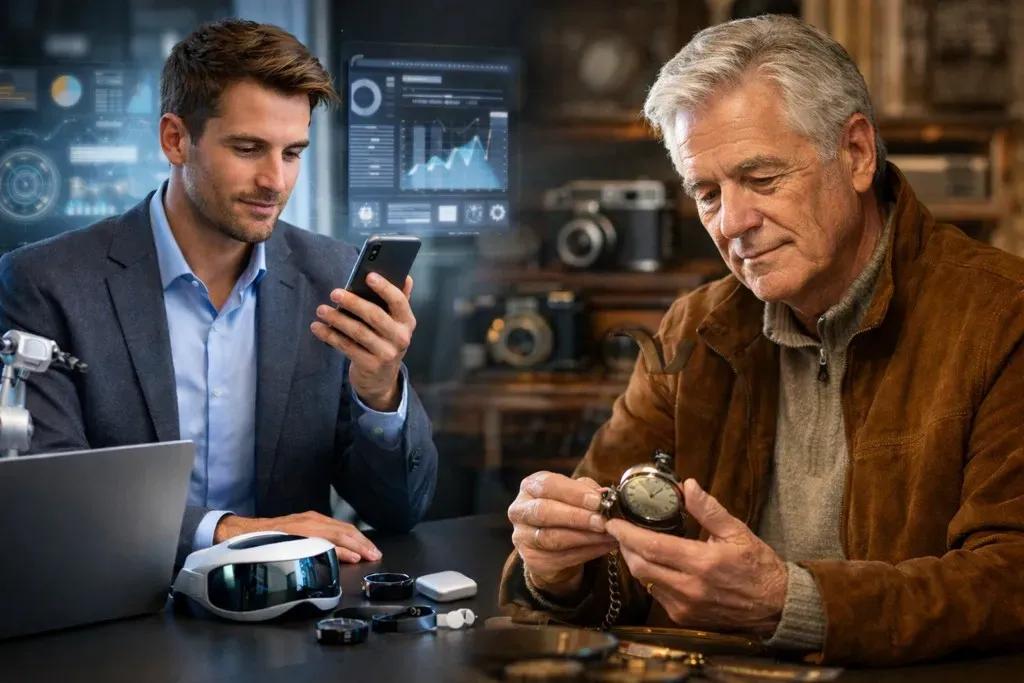
Every few months, there's a new tool that's supposed to change everything.
AI this. Automation that. The latest social platform. Some new ad format. Everyone's freaking out, scrambling to learn the next big thing before they "fall behind."
I've watched this cycle repeat for years now. And here's what nobody wants to hear: the technology doesn't matter nearly as much as you think it does.
Don't get me wrong, I use new tools. I test new platforms. But I'm not betting my business on them. I'm betting on something way more reliable: people haven't changed.
What You MUST Know About Buyer Psychology (The Hoverboard Craze Taught Me This)
When I launched iSwegway in 2015, hoverboards were the hot new tech product. Everyone wanted one. Media coverage everywhere. Seemed like the future.
But here's what I realized pretty quickly: people weren't buying the technology. They were buying what the technology made them feel, which is the point I often reiterate in my articles.
People want status. Fun. Being first to own the cool new thing. Not getting left behind.
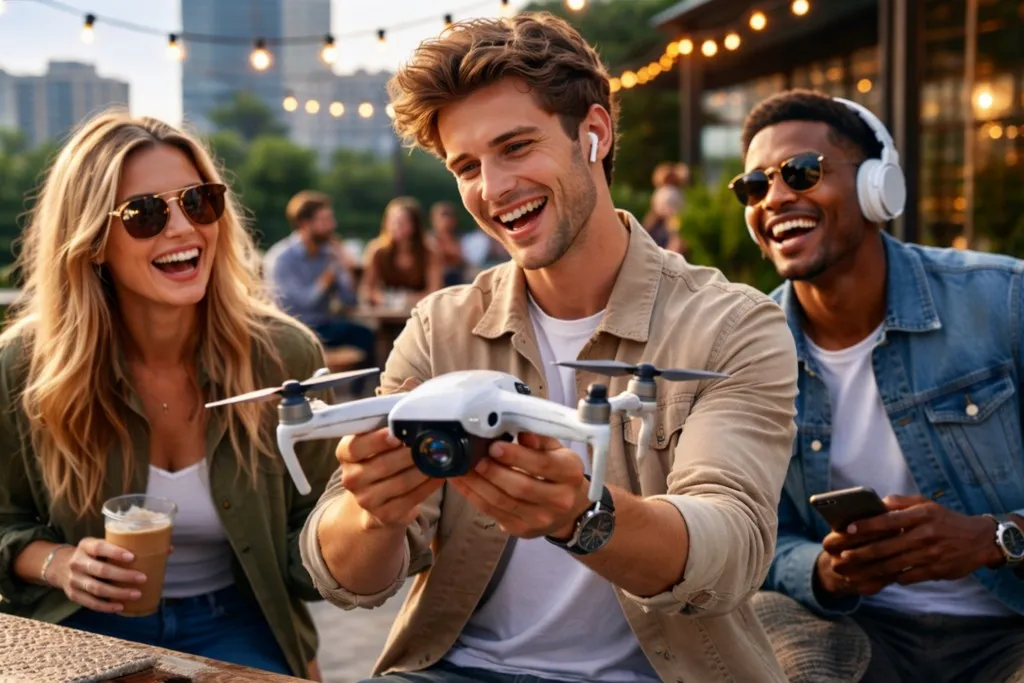
Same reasons people bought Walkmans in the 80s. iPods in the 2000s. AirPods today. The device changes. The psychology? Rock solid.
So while my competitors were focusing on specs and features, I was focusing on fear of missing out. Social proof. Making people feel smart for getting in early.
What Actually Drove Sales
Celebrity sightings on hoverboards (social proof + status)
Media coverage creating urgency (scarcity + FOMO)
Simple question in people's heads: "Why don't I have one yet?" (belonging)
The tech was new. The buttons I pushed were ancient.
People Still Want the Same Things They Wanted in 1950
Technology changes fast. Human needs? Not so much.
In the 1950s, people wanted status, security, belonging, achievement, and to be seen as smart by their peers.
In 2026, people want... status, security, belonging, achievement, and to be seen as smart by their peers.
The vehicle changes. A fancy car. Then a smartphone. Now it's AI tools or whatever's next. But the destination's identical.
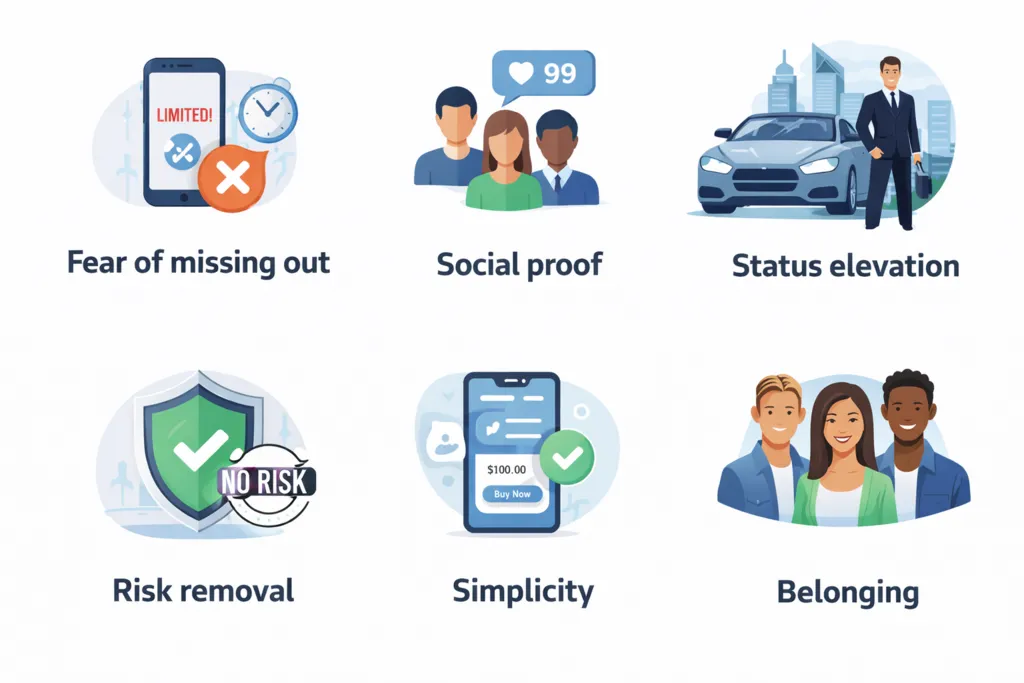
When I'm writing product descriptions or ad copy, I'm not thinking about the latest copywriting framework. I'm thinking about these basic drives:
Fear of missing out: "Everyone's getting these - are you being left behind?"
Social proof: "10,000+ sold" hits different than "innovative product"
Status elevation: People want to feel ahead of the curve, not behind it
Risk removal: Money-back guarantees work because loss aversion is real
Simplicity: Confused people don't buy. Clear people do.
Belonging: "Join the community" works better than "buy the product"
Technology Gives You Distribution Instead of Persuasion
Here's where people get it backwards.
They think because TikTok's new or AI's new or whatever platform's new, the rules of persuasion have changed.
They haven't.
TikTok just gives you a different way to reach people. But once you've got their attention, you're still dealing with the same brain that's been around for thousands of years.
That brain wants to know:
Can I trust you?
What's in it for me?
What happens if I do nothing?
What will other people think?
Answer those questions and you'll sell. Doesn't matter if you're doing it on a landing page, a TikTok video, or a telegram in 1920.
The medium changes but the message doesn't have to.
Testing Email vs. Instagram DMs
Few years back, everyone's saying "email is dead" and "you need to be in DMs."
So I tested it. Same offer, same audience. One group got a traditional email sequence. Other group got the "modern" approach through Instagram DMs and stories.
Guess which converted better?
Email. By a lot.
Not because email's better technology. It's older and clunkier. But because the email sequence followed basic persuasion principles: build trust, demonstrate value, address objections, create urgency, ask for the sale.
The DM approach tried to be casual and cool and "authentic." Which is fine. But it didn't systematically move people through the decision-making process.
What I Learned
New channels can work, but only if you apply old principles
Being where your audience is matters less than saying what they need to hear
"Modern" and "effective" aren't the same thing
Now I use both. But I'm not chasing the new shiny thing just because it's new.
You NEED to Answer People’s Questions … My Blog Still Works Because of It
Remember when everyone said blogs were dead? "Video is taking over." "Nobody reads anymore."
My blog from the early iSwegway days still drives traffic. Still generates sales. Still ranks.
Why? Because it answers the questions people actually have.
"Is this safe?" "How long does shipping take?" "What if it breaks?"
These questions haven't changed. The anxiety driving them hasn't changed. So the content that addresses them doesn't need to change.
I've watched competitors redo their entire content strategy every year. Chasing the algorithm. Following the latest SEO tactics. Adding videos because "that's what works now."
Meanwhile, my basic FAQ-style blog posts from 2015 keep ranking because they solve a problem. Google's algorithm changes. People's problems don't.
The Customer Journey Hasn't Changed
Everyone's obsessed with "omnichannel" and "customer journey mapping" and all these complex frameworks.
But the basic journey's simple. It's been simple forever.
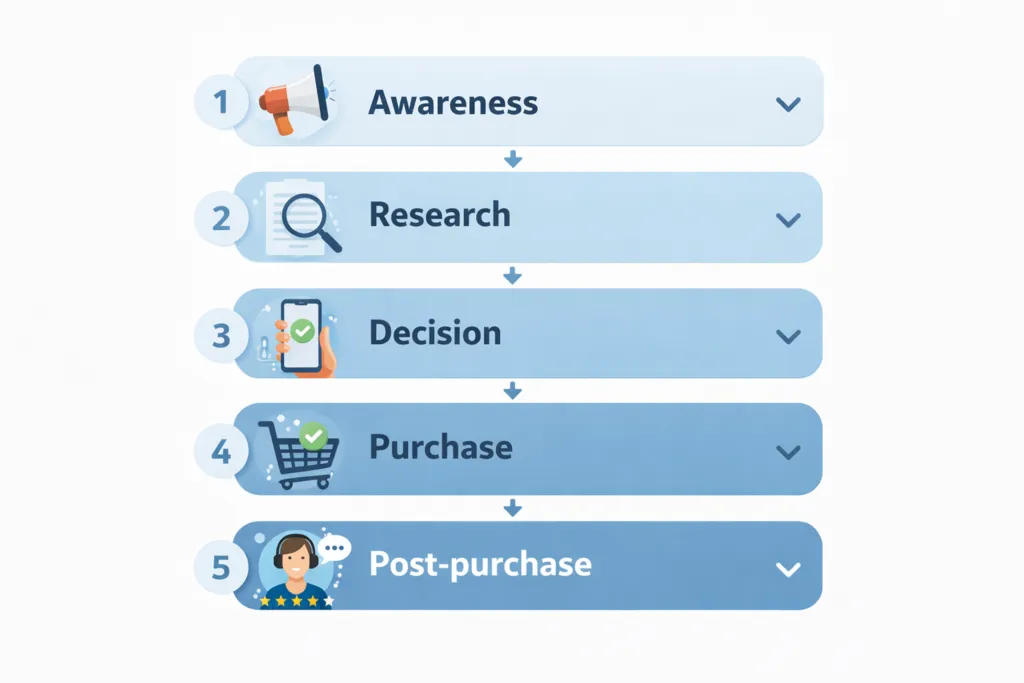
How People Actually Buy
Awareness: They realize they have a problem or want something
Research: They look for solutions and compare options
Decision: They pick one based on trust, value, and urgency
Purchase: They pull the trigger (or don't)
Post-purchase: They justify their decision and either regret it or feel good about it
That's it. Whether they're buying a hoverboard online or a washing machine from a catalog in 1960, they're going through the same steps.
Your job is to make each step as easy and reassuring as possible.
Your Competitive Advantage Isn't Your Tech Stack
I can't tell you how many founders I've talked to who think their tech stack is their moat.
"We're using Shopify Plus with custom apps." "We've got this proprietary automation system." "Our integration between X and Y is unique."
Cool. Your competitor can copy all of that in three months.
You know what they can't copy? The trust you've built with your customers. The content you've created that ranks for their exact questions. The email list you've nurtured for years. The brand reputation you've earned.
What I Focus On Instead of New Tools
Every day, I get pitched new software. New platforms. New "must-have" tools that'll "10x my business."
I ignore almost all of it.
Here's what I focus on instead:
Understanding what my customers actually want (doesn't require new tech)
Making the buying process as friction-free as possible (usually means removing tech, not adding it)
Building trust through consistency and transparency (low-tech problem)
Creating content that answers real questions (Google Docs works fine)
Following up with customers to make sure they're happy (can do this with basic email)
The unsexy stuff. The boring stuff. The stuff that worked in 2015 and still works now.
Because buyer psychology doesn't change. People still want to feel smart about their purchase. Still want to avoid risk. Still want to know someone real is behind the business.
The Only "Hack" That Matters
You want to know the real growth hack? The thing that actually moves the needle?
Give people what they want faster and easier than your competition.
That's it.
You can do this with cutting-edge AI or a notebook and a phone. Doesn't matter. What matters is that you understand what people want and you remove every obstacle between them and getting it.
When someone landed on iSwegway during the hoverboard craze, what did they want?
To buy a hoverboard before they sold out. To feel confident it was safe. To know when it'd arrive. To have recourse if something went wrong.
So that's what I gave them. Fast checkout. Clear safety information. Shipping timeline right on the product page. Easy-to-find return policy.
No fancy tech required. Just basic understanding of human psychology plus execution.
Why I'll Still Be Here in 10 Years

The tools I use will be different in 10 years. Probably completely different.
But the fundamentals won't change. Because people won't change.
They'll still want status and security and belonging. They'll still make decisions based on emotion and justify them with logic. They'll still trust brands that feel human and avoid ones that feel sketchy.
So while everyone else is chasing the next platform or the next tool or the next "revolutionary" approach, I'll be doing the same thing I've always done:
Understanding what people want. Giving it to them. Making it easy. Building trust.
The technology's just the delivery mechanism. The psychology's the actual product.
Get that backwards and you'll spend your whole life chasing trends.
Get it right and you'll build something that lasts.