

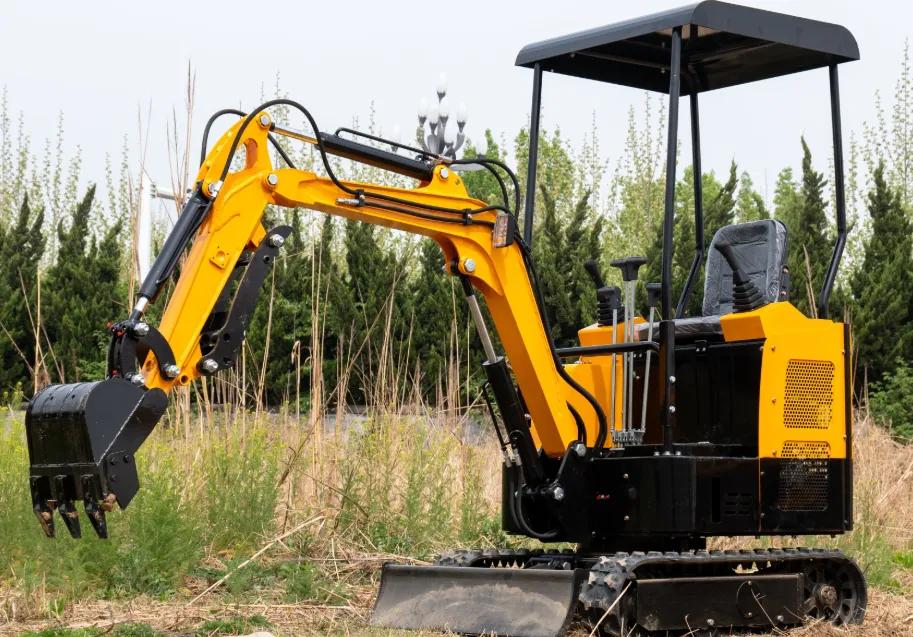
Compact construction machinery has redefined how professionals approach projects with limited access and tight timelines. Among the most valuable pieces of equipment in this category, the mini excavator stands out for its ability to deliver serious digging power in a footprint that fits through gates, gardens, and narrow lots. Whether you run a small contracting business, manage residential builds, or handle utility installation, these compact machines can replace hours of manual labor with efficient, precise work.
Yet choosing the right model is not always straightforward. Operating weights, digging depths, hydraulic capacity, and attachment options vary widely across the market, and picking a machine that mismatches your typical work leads to wasted budget or lost productivity. This guide walks through what a mini excavator actually offers, the specifications that matter most, how to match a machine to your project type, and the attachments that unlock true versatility. By the end, you will have a clear framework for evaluating any compact digger before making a purchase or rental decision.
Understanding What a Compact Digger Really Offers
A mini excavator, sometimes called a compact excavator, generally weighs between one and ten metric tons. Its defining traits are a rotating upper structure, a boom-and-arm digging assembly, and rubber or steel tracks that spread weight evenly across soft ground. This combination lets operators dig, lift, and pivot in spaces where a standard excavator cannot fit and where a skid steer lacks the reach.
The advantages come down to access, precision, and cost. Access matters when the work site has fences, existing landscaping, indoor demolition zones, or narrow urban lots. A machine under three tons can often pass through a standard garden gate, letting crews reach backyard pool excavations or foundation repairs without dismantling property. Precision comes from the fine hydraulic controls and shorter tail swing that allow operators to work close to walls, utilities, and finished surfaces. Cost benefits show up in lower fuel consumption, easier transport on a standard trailer, and reduced ground damage that would otherwise require restoration.
Compared with larger machines, a modern mini excavator trades raw digging force for maneuverability and running expense. These units will not replace a twenty-ton machine on a highway job, but they consistently outperform hand tools and small backhoes on projects where footprint and finesse matter more than sheer volume. Understanding this positioning helps buyers avoid the mistake of assuming bigger is always better. For jobs measured in cubic yards rather than cubic meters per hour, the smaller footprint often produces higher productivity per dollar spent.
Key Features to Evaluate Before Buying
Operating weight sits at the top of the specification list because it drives nearly every other capability. Lighter models around one to two tons excel in interior work and confined yards, while three-to-five-ton machines balance transportability with meaningful digging force. Anything above six tons starts to push into territory where a full-size compact excavator or small excavator becomes the more practical choice.
Digging depth and reach determine what projects a machine can actually complete. A two-ton unit typically reaches around two to two and a half meters deep, which handles most residential utility lines and shallow foundations. Deeper trenches for storm drains or basement footings require larger models with extended arms. Always compare the maximum digging depth against your most demanding routine task, not against your rare projects.
Hydraulic flow rating matters more than most first-time buyers realize. Higher auxiliary hydraulic flow directly expands the range of attachments that will run efficiently on the machine. If your work involves breakers, augers, or hydraulic thumbs, verify the flow specifications rather than relying on the attachment coupler alone.
Cab configuration influences operator comfort and productivity over long shifts. Enclosed cabs with heating and air conditioning make year-round work realistic in most climates. Canopy configurations save weight and cost but expose operators to weather and dust. Consider how many hours per day the machine will run before deciding.
Tail swing design deserves attention on tight sites. Zero tail swing and reduced tail swing models keep the counterweight within the track width, allowing safer work along walls and roads. Conventional tail swing offers slightly better balance and lifting capacity but demands more clearance behind the operator.
Matching a Machine to Your Project Type
Landscaping and hardscape work usually rewards the smallest practical machine. Tree removal, pond digging, retaining wall preparation, and garden regrading all happen in yards where lawn preservation matters. A one-to-two-ton unit with rubber tracks minimizes turf damage and moves easily between properties on a light trailer.
Residential construction shifts the requirements toward digging depth and lifting capacity. Foundation excavation, basement work, and site preparation for additions typically call for a three-to-four-ton machine. This range provides enough reach to dig footings while still fitting through most residential gates and driveways.
Utility installation covers a broad spectrum. Water service lines, electrical conduits, and irrigation systems generally suit compact models, while sewer laterals and gas mains may require deeper reach. Contractors handling mixed utility work often settle on a four-to-five-ton machine as a versatile compromise that handles most jobs without needing a second unit.
Demolition and interior work create unique demands. Low-emission or electric compact excavators are increasingly used inside buildings, warehouses, and enclosed structures where exhaust would be hazardous. If interior demolition forms part of your regular workload, evaluate models with narrow track configurations and consider whether electric drive fits your project mix.
Rental fleet operators face a different calculation altogether. Versatility outweighs specialization, so machines in the two-to-three-ton range often generate the highest utilization because they handle the widest variety of customer projects without being too intimidating for occasional operators.
Attachments That Expand Machine Versatility
The right attachments transform a compact excavator from a dedicated digger into a multi-purpose machine that earns its keep across seasons and project types. Bucket variety alone significantly expands capability. A general-purpose bucket handles most digging tasks, but a narrow trenching bucket cuts precise utility lines, a grading bucket levels finished surfaces, and a tilt bucket creates slopes and swales without repositioning the machine.
Hydraulic breakers turn a small excavator into a concrete and rock demolition tool. Sizing the breaker to the carrier matters because oversized units stress the boom and undersized units fail to deliver useful impact energy. Manufacturers such as MMS INDUSTRIAL publish compatibility charts that match breaker weight ranges to specific machine models, which removes much of the guesswork from attachment selection.
Augers open up post hole drilling, tree planting, and foundation pier work. Combined with a variety of bit diameters, a single auger drive lets one operator install fence lines or deck footings in hours rather than days of manual digging.
Hydraulic thumbs and quick couplers deserve special mention because they multiply the value of every other attachment. A thumb turns the bucket into a grappling tool for logs, rocks, and debris, while a quick coupler reduces attachment changes from minutes of wrench work to seconds of hydraulic actuation. Together they let operators handle mixed tasks without leaving the cab.
Compaction wheels, rippers, and mulching heads round out the specialist options for contractors with focused workflows. Evaluate attachment investments against actual annual usage rather than potential use to avoid overspending on tools that sit idle.
Maintenance Tips for Long-Term Performance
Consistent maintenance protects both the initial investment and future resale value. Daily walk-around checks should cover track tension, hydraulic hose condition, and fluid levels before starting work. Ignoring a loose track or a weeping hose almost always leads to a larger repair bill within weeks.
Grease points require attention on the schedule specified in the operator manual, typically every eight to ten operating hours for high-wear pivots. Under-greasing accelerates pin and bushing wear faster than any other factor. Hydraulic fluid and filter changes at manufacturer-recommended intervals preserve pump life and prevent contamination-related failures.
Track inspection deserves particular focus because replacement tracks represent a significant expense. Rubber tracks damaged by concrete edges, rebar, or sustained road travel wear out years before their expected service life. Storing the machine on a flat, clean surface and avoiding unnecessary road travel extends track life substantially.
Making a Confident Compact Excavator Choice
Selecting the right machine comes down to honest analysis of the work you do most often, not the largest project you might tackle once a year. Match operating weight, digging depth, and hydraulic flow to your routine tasks first, then confirm that the unit fits transport, access, and storage realities. Attachments extend versatility, but only when chosen to match actual workflow rather than theoretical use cases.
Take time to compare models side by side, request operator demonstrations, and speak with contractors who run similar machines in similar conditions. Manufacturers like MMS INDUSTRIAL offer compact excavator options built for the mixed workloads that small contractors, landscapers, and utility crews face every day, and reviewing their current lineup provides useful reference points for what modern machines deliver.
A well-chosen compact digger pays for itself through faster job completion, reduced labor costs, and access to work that manual methods cannot deliver profitably. Approach the purchase as a long-term productivity investment, and the returns become clear within the first season of use.