

When you walk into a store or an office, you usually know exactly where you are before you even see a logo. Think about the sleek, minimalist vibe of an Apple Store versus the cozy, mismatched furniture of a local coffee shop. That feeling isn't an accident; it’s branding.
Most people think of branding as just a logo, a color palette, or a catchy slogan. But for businesses with a physical location, the four walls around them are one of their loudest marketing tools. Your interior design is basically a 3D version of your brand story. It tells customers what you value, how you want them to feel, and whether they belong there.
In this article, we’ll look at how businesses can stop treating their space as just "decor" and start using it as a strategic asset.
Interiors as an Extension of Brand Identity
Physical spaces are 3D canvases where brand values come to life. Unlike a logo on a screen, an interior is an immersive experience customers can actually inhabit. A tech firm’s open layout screams innovation, while a boutique’s warm lighting suggests nostalgia. Every choice, from glass walls for transparency to rich textures for luxury, must be intentional and authentic.
According to Entrepreneur, strong branding is critical because it builds:
Differentiation: Makes you stand out from competitors.
Credibility & trust: Signals professionalism and fosters customer loyalty.
Acquisition: Attracts new customers and encourages word-of-mouth.
Investment & recruitment: Draws in top-tier investors and talent.
Consistency & value: Ensures a polished image that drives long-term financial growth.
When your office or store matches your mission, the space becomes a silent ambassador. It proves you are serious about your business, creating a lasting impression that trends alone cannot achieve.
Use of Color, Materials, and Layout to Reinforce Brand Messaging
Consistent use of brand colors across interior spaces helps build instant recognition and strengthens recall. This goes beyond painted walls to include furniture, flooring, lighting, and even small decorative details that tie the space together. For example, muted blues and grays often signal trust and stability, while bold, energetic tones suggest creativity and forward thinking.
Materials play an equally important role in shaping perception. Sleek finishes like marble, glass, or metal can convey sophistication, while natural or reclaimed materials suggest warmth, authenticity, and sustainability.
Layout choices also reinforce brand intent. Open, flowing spaces feel welcoming and collaborative, while defined areas create a sense of privacy or exclusivity. When thoughtfully combined, these elements form a cohesive environment that reflects the brand’s identity.
Biophilic Design as a Branding Tool
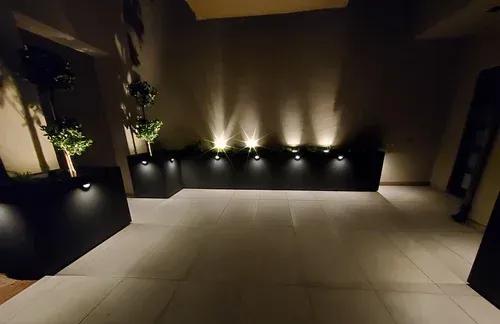
Bringing nature into your business does more than just clean the air. It makes your brand feel human and inviting. Beyond standard greenery, companies use nature to tell their story. A rustic café might use weathered wood to show craft, while a tech firm chooses sleek metal for a modern edge. Custom-size planter boxes are perfect for this blend.
According to PolyMade, these boxes can feature graphics on embedded polycarbonate sheet attachments, cut into custom shapes for any purpose. You can even have a custom logo planter with business branding emblazoned on its siding.
Whether you choose tropical plants for adventure or succulents for minimalism, your greenery becomes a meaningful brand statement. These focal points create a cohesive look that customers remember. By integrating brand colors and logos directly into your plant displays, you turn functional decor into a powerful tool for visual identity.
Consistency Across Locations and Touchpoints
Maintaining consistency across multiple locations builds a familiar brand experience that customers can trust. By standardizing color schemes, furniture, and lighting, businesses ensure their identity remains recognizable everywhere. While local artwork can personalize a space, the core brand elements must remain non-negotiable.
This reliability is vital for building long-term relationships. According to Edelman’s 2025 Brand Trust report, 80% of people trust the brands they use more than the media, government, or NGOs. While consumers previously focused on social causes, they now look to brands for "economic hope and personal stability." They want to feel safe, calm, and inspired.
A consistent interior design provides this sense of community and optimism. When a customer walks into any location and finds a predictable, high-quality environment, it reinforces the safety and confidence they crave. Detailed brand guidelines help preserve this integrity, turning physical spaces into dependable sources of trust.
Supporting Brand Values Through Sustainable Design Choices
Sustainable design is a great way to show that your business actually cares about the planet. Instead of just saying you’re "eco-friendly" in an ad, using things like reclaimed wood, recycled metals, and non-toxic paints makes that promise real. When customers see upcycled furniture or living walls, they see a brand that walks the walk.
This shift is a big deal for the younger crowd. According to a Deloitte study, 65% of Gen Z and 63% of Millennials have felt worried about the environment recently. The survey also highlights that these concerns are influencing career decisions and actions.
By picking sustainable materials, you aren't just following a trend. You’re connecting with the values of your team and your customers. It turns your office or shop into a conversation starter, proving that your brand is a responsible leader that's thinking about the long-term future.
Make a Strong First Impression Through Interior Design
Reception areas, waiting rooms, and common spaces instantly signal a brand’s professionalism, attention to detail, and respect for the customer experience. These spaces set the emotional tone long before any conversation happens. When they’re thoughtfully designed, they communicate care and credibility; when they’re overlooked, they suggest indifference.
That first impression matters even more when you consider how much time people spend waiting. According to a Waitwhile study, Americans spend about 37 billion hours each year waiting in places like offices, restaurants, salons, and law firms. Since nobody likes wasting their precious time, it’s vital to make that wait comfortable.
By using cozy seating, branded colors, and even small perks like refreshments, you turn a boring wait into a positive experience. This balance of personality and professionalism ensures your customer’s journey starts on exactly the right note.
Frequently Asked Questions
How much should businesses budget for branded interior design?
There’s no one-size-fits-all budget for branded interior design. Costs depend on space size, brand goals, materials, and the level of customization involved. Many businesses start with small, high-impact updates and scale over time, focusing on elements that reinforce identity without overextending resources.
Can small businesses effectively use interiors for branding on limited budgets?
Absolutely. Small businesses can implement impactful branding through strategic paint choices, DIY branded artwork, and affordable elements like customized planter boxes or signage. Focus on consistency rather than expense. Even simple touches like branded textiles, curated color schemes, and thoughtful greenery create a strong brand presence economically.
How often should businesses update their branded interiors?
Major redesigns typically occur every 5-7 years to maintain contemporary relevance and prevent dated appearances. However, smaller refreshes should happen annually through updated graphics, seasonal elements, or new branded features. Monitor customer feedback and industry trends. If interiors no longer reflect current brand positioning or appear outdated, consider updates regardless of timeline.
Your interior is a living part of your brand. From the colors on the walls to the planters in the lobby, every detail tells a story to your customers and your team. Moving beyond basic decor to intentional, consistent design builds trust, sparks emotional connections, and sets your business apart.
Whether you are prioritizing sustainability or making a killer first impression, remember that a well-designed space is a silent ambassador for your business. When you align your physical environment with your core values, you build a lasting brand experience that people will remember and return to.