

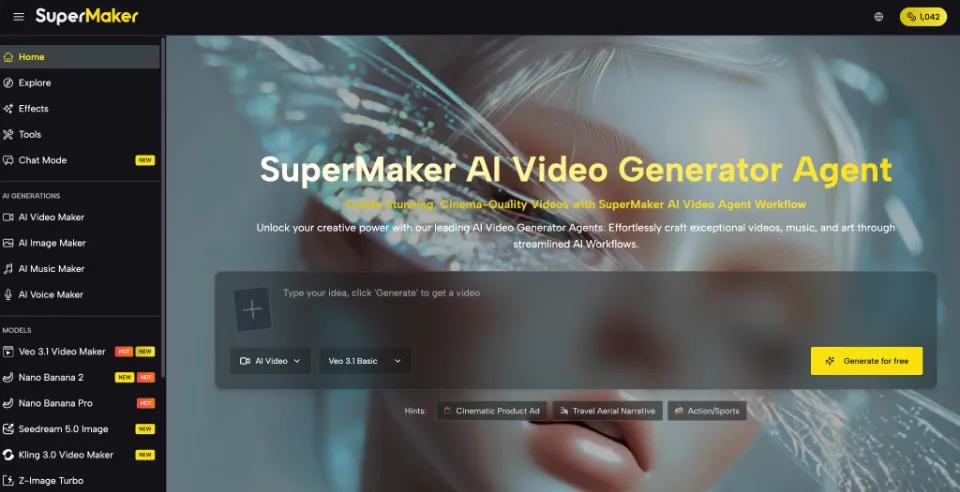
A useful visual is not simply attractive; it helps a specific audience understand, compare, or act with less confusion. For wellness writers, educators, and practical lifestyle creators, the immediate problem is making useful advice feel clear and encouraging without turning it into shallow motivational content. A workable approach must preserve context, make revision possible, and keep the audience's needs ahead of the novelty of the tool.
This article develops that approach through the working principle to use simple scenes to make one achievable action easier to understand. An AI Video Maker can support the production stage, but the quality of the result still depends on a clear brief, stable references, and review standards that exist before generation begins.
Understand the Real Communication Constraint
Helpful ideas often lose their force when they remain abstract. Advice about routines, stress, learning, or personal organization becomes easier to follow when a reader can see the setting, sequence, and small actions involved. The challenge is to add visual interest without replacing honest guidance with unrealistic perfection.
The useful question is therefore not whether AI can create an image or clip. It is whether the resulting asset helps the intended reader make the right judgment. In a wellbeing writer adapting a practical article into a short visual series, a responsible workflow defines the decision first, limits the visual claim, and records which elements are authentic, illustrative, or still provisional.
Shape Advice Into Honest Visual Moments
1. Choose One Observable Change
Translate the article's main idea into something visible, such as preparing a workspace the night before or taking a short screen break. A concrete action gives the scene a beginning and end and helps viewers imagine themselves doing it. Write the intended decision into the brief and review it again after generation. This simple check prevents visual polish from becoming a substitute for relevance.
2. Keep the Setting Familiar
Use ordinary rooms, objects, clothing, and lighting rather than an idealized lifestyle. Familiar details lower the emotional distance between the viewer and the advice, making the message feel attainable instead of aspirational advertising. Keep both rejected and approved versions with short notes. The comparison helps collaborators understand the standard and makes later revisions faster and more consistent.
3. Pair Images With Specific Language
Write captions or narration that describe the next step, not a vague promise of transformation. The visual should support the sentence, while the sentence explains what a person can actually try and how to adjust it to their circumstances. Ask a colleague who was not involved in prompting to describe what the result appears to claim. Any gap between that reading and the intended message should be corrected before export.
Apply the Workflow to a Real Project
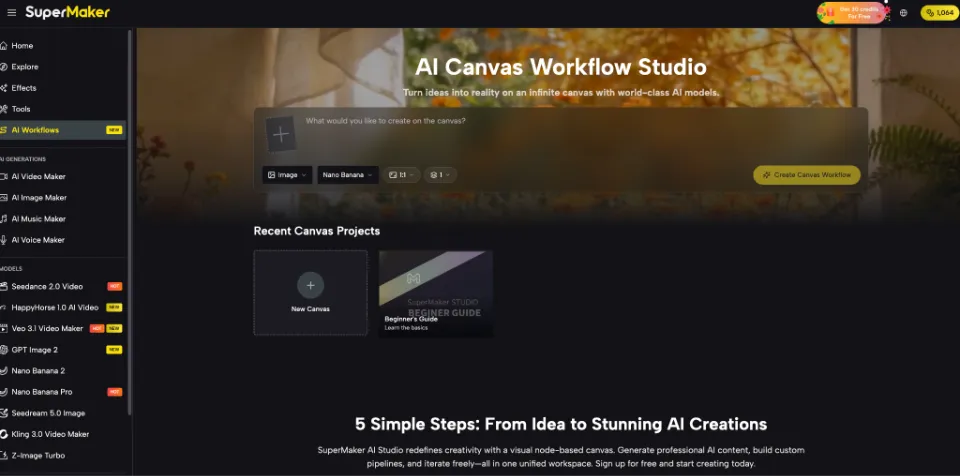
Start with a short scene list, then use an AI Image Maker to explore a consistent visual direction for each moment. When a still image communicates the idea clearly, the AI Video Maker workflow can add restrained motion and export an MP4 for a social post or article companion.
Before publishing, review the asset in its final context rather than only inside the generation interface. Check captions, dates, names, logos, factual claims, transitions, and the way the opening frame may be interpreted without sound. Save the approved source and export together so later edits do not quietly replace a verified version with a fresh generation.
Keep the Message Grounded in Real Life
Quality control should reflect the environment in which the work will appear. View the asset on a phone, confirm that essential text remains readable, and check whether the first frame still makes sense when separated from the article or campaign around it. If the subject involves a real person, event, product, or measurable result, confirm that the visual treatment does not imply evidence the project does not possess.
The team should also record the practical cost of the final asset: generations used, review time, manual corrections, and any specialist work added after export. In a wellbeing writer adapting a practical article into a short visual series, those notes reveal whether the process can be repeated responsibly. They also help future creators start from an approved brief instead of rebuilding the same decisions from memory.
Good Visual Systems Protect Human Judgment
Positive visual storytelling is strongest when it respects the viewer's real life. One observable action, a believable setting, and specific language can make practical advice easier to remember and easier to attempt. The final review should therefore ask not only whether the asset looks finished, but whether its origin, limits, and intended use remain understandable to everyone who handles it.
This approach lets creators add warmth and clarity to useful content without exaggerating outcomes or turning personal wellbeing into a polished fantasy. Over time, this creates a library of decisions, references, and approved examples that improves consistency without reducing every project to the same visual formula. This discipline also makes future evaluation faster and more defensible.