

How Food Processing Plants Can Streamline Production Without Expanding Their Facility
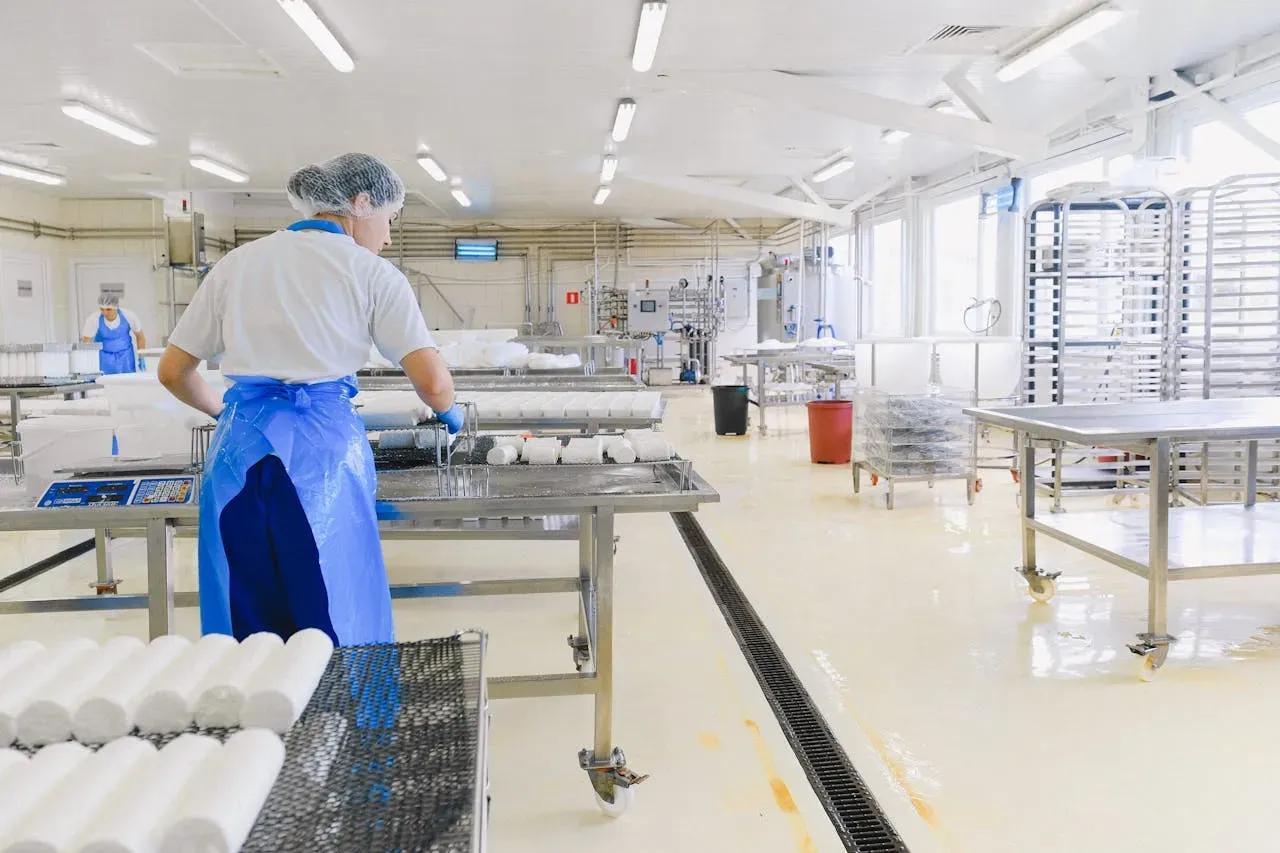
Many food processing plants reach a point where demand keeps rising but the building stays the same size. Orders increase, production targets grow, and storage areas start to feel tight. Managers often assume they need a facility expansion to keep up. In reality, expansion is expensive, disruptive, and slow. Permits, construction, and layout changes can interrupt operations for months.
What many plants discover is that they are not truly out of space. They are out of flow. Equipment placement, material movement, cleaning routines, and shift coordination often limit output more than square footage does. When leaders focus on improving how work moves through the plant, they can unlock capacity that already exists inside their current walls.
Making Better Use of Vertical Space
Many food processing plants focus only on floor space and overlook the height of the building. Yet vertical space can support lifting, dumping, and staging functions that free up crowded production areas. Installing high-level lifters or dumpers allows ingredients to move directly into hoppers or conveyors from above. This setup reduces the need for forklifts or manual repositioning on the floor.
Using elevated platforms for certain processes can also separate traffic and improve safety. When teams move product upward instead of across the floor, they reduce congestion and create clearer pathways. Plants should review ceiling height, structural support, and equipment compatibility before making changes. Smart use of vertical space often improves flow without altering the building footprint.
Improving Bulk Ingredient Handling
Handling heavy ingredients often slows production more than expected. Manual lifting, tipping, and repositioning take time and create safety risks. When operators struggle to move product efficiently, lines lose momentum. Standardizing how teams manage each vat container can remove that friction.
Smooth lifting and controlled dumping systems help move ingredients directly into the next stage without spills or repeated adjustments. This not only protects workers from strain but also keeps the product flowing at a steady rate. Plants should review how containers enter, move through, and exit the production area. Reducing unnecessary stops and manual repositioning can improve speed while maintaining safety and hygiene standards.
Cutting Downtime Between Batches
Production does not only slow down during active processing. Changeovers and cleaning periods often consume more time than managers expect. If tools are not staged in advance or teams wait for sanitation to finish, valuable minutes disappear between runs.
Plants can reduce this gap by organizing wash areas, preparing the next set of containers ahead of time, and clearly defining shutdown and startup steps. When operators know exactly what to do at each transition, they complete tasks faster and with fewer errors. Coordination between production and sanitation teams also helps prevent overlap that causes delays. Shorter changeovers allow facilities to run more batches each day without extending operating hours or expanding the building.
Automating Repetitive Manual Tasks
Repetitive manual tasks consume time and create inconsistency. In food processing, common examples include manual tipping, container washing, and ingredient transfer. These activities require labor and can slow production if workers must stop frequently to reset or reposition equipment. Targeted automation can solve this without replacing entire production lines.
Mechanical lifters, controlled dumpers, and automated washing systems allow operators to move product more quickly and safely. Automation also improves consistency because equipment performs the same motion every cycle. That consistency helps protect product quality and reduces waste. Plants should evaluate which repetitive steps create delays or strain. Automating those specific points often delivers measurable gains in speed and safety without major structural changes.
Improving Communication Across Departments
Production does not operate in isolation. Sanitation, maintenance, quality control, and warehouse teams all influence output. When departments fail to coordinate, delays occur. For example, if sanitation runs longer than expected and production is not informed, crews may wait without clear direction.
Short daily planning meetings can improve alignment. Supervisors should review production goals, cleaning schedules, and maintenance needs at the start of each shift. Clear communication reduces confusion and prevents overlap that disrupts workflow. Digital tracking systems can also help teams monitor progress in real time. When departments understand how their work affects others, they make decisions that support overall efficiency. Strong coordination often resolves capacity issues that appear to be space-related but actually stem from misalignment.
Food processing plants often believe they need more space to meet growing demand. In many cases, the real issue lies in workflow, coordination, and equipment use. By identifying bottlenecks, improving layout, strengthening maintenance, automating key tasks, and aligning departments, facilities can unlock unused capacity.
These changes require attention and discipline, but they do not require new construction. When managers focus on how work moves through the plant rather than how much space they have, they create steady and reliable gains. Improving flow inside the current footprint allows food processors to increase output, protect workers, and maintain hygiene standards without expanding their building.