

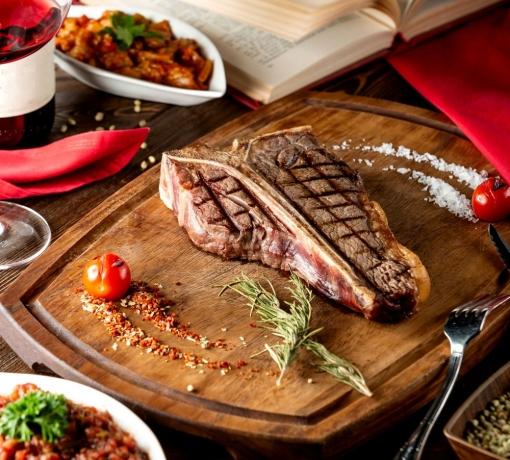
Selecting the right packaging for beef products is more than a matter of aesthetics—it directly impacts shelf life, food safety, and consumer appeal. With so many options available, from vacuum bags to modified atmosphere packaging (MAP) and eco-friendly films, choosing the ideal solution can feel overwhelming.
In this guide, we’ll break down key factors to consider when selecting beef packaging materials to ensure your products remain fresh, safe, and visually appealing to your customers.
Why Choosing the Right Beef Packaging Matters
Proper packaging serves several critical functions:
- Preservation: Protects beef from contamination and extends shelf life.
- Safety: Maintains proper hygiene and reduces the risk of bacterial growth.
- Consumer Appeal: Packaging design and transparency can influence purchase decisions.
- Sustainability: Eco-friendly options reduce environmental impact.
By investing in the right packaging, you protect your product quality, satisfy regulatory requirements, and create a positive consumer experience.
Types of Beef Packaging Materials
Choosing the right packaging starts with understanding the available materials. Here are the most common types:
1. Vacuum Packaging
Vacuum packaging removes air from the package, reducing oxidation and slowing spoilage. This method is ideal for both raw and cooked beef, offering:
- Extended shelf life
- Reduced freezer burn
- A compact, clean appearance
2. Modified Atmosphere Packaging (MAP)
MAP replaces the air inside the package with a gas mixture, often carbon dioxide and nitrogen, to preserve freshness and color. Benefits include:
- Maintains the bright red color of fresh beef
- Prolonged freshness without preservatives
- Ideal for retail display
3. Chub Bags
Chub bags are tubular plastic bags filled with ground beef or sausage products. They are:
- Flexible and durable
- Efficient for storage and transport
- Sealed airtight to maintain product quality
4. Skin Packaging
Skin packaging wraps the meat tightly over a tray or board, forming a vacuum seal around the product. Advantages:
- Excellent product visibility
- Strong protection against contamination
- Minimal oxygen exposure
5. Eco-Friendly and Biodegradable Films
Sustainable packaging options are gaining popularity due to consumer demand for environmentally responsible choices:
- Compostable or recyclable materials
- Plant-based or cellulose films
- Maintain quality while reducing environmental impact
Factors to Consider When Choosing Beef Packaging
When selecting packaging for your beef products, consider the following:
- Product Type: Ground beef, steaks, or specialty cuts may require different packaging solutions.
- Shelf Life Needs: How long the product will be stored or displayed affects material choice.
- Transportation and Storage: Packaging must withstand handling, refrigeration, and freezing.
- Consumer Expectations: Transparent packaging and easy-to-open features improve appeal.
- Regulatory Compliance: Ensure packaging meets food safety standards for labeling, sealing, and materials.
Tips for Effective Meat Packaging
- Always choose materials that maintain hygiene and reduce contamination risk.
- Invest in professional-grade packaging for commercial distribution.
- Consider combining different methods (like MAP + vacuum) for optimal freshness.
- Label packaging clearly with nutritional info, expiration date, and handling instructions.
By carefully selecting the right packaging, you not only protect your product but also enhance brand trust and customer satisfaction.
Final Thoughts
Choosing the right beef packaging material is a critical decision for any producer, retailer, or butcher. From vacuum sealing to modified atmosphere packaging, the options vary in cost, functionality, and sustainability.
Investing in high-quality meat packaging ensures your beef products stay fresh, safe, and visually appealing, while also meeting consumer expectations and environmental standards. Thoughtful packaging ultimately protects your product, your brand, and your customers’ experience.