

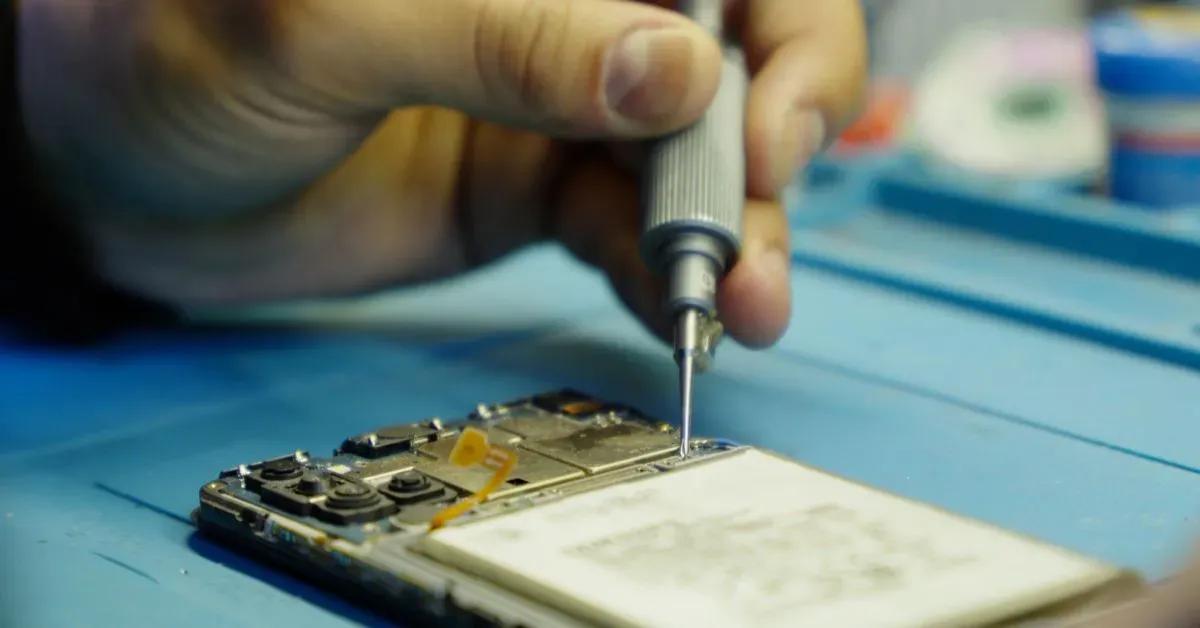
Small tools keep daily operations moving. From torque wrenches to specialty gauges, these items support precision work across manufacturing, aviation, and maintenance environments. Yet, small tools disappear easily, get misplaced, or suffer damage when storage systems fall short.
That’s where stronger organization and inventory practices come into play. Teams that protect their tools reduce downtime, control costs, and maintain smooth workflows. This guide walks through how to protect small tools in the workplace with practical strategies that support accountability and organization. If your facility struggles with misplaced tools or cluttered storage areas, explore smarter solutions right now.
Create Dedicated Storage Locations
Small tools deserve designated storage locations rather than random drawers or shared bins. When each tool has a clear home, teams return items to the right place without confusion. Tool boards, labeled compartments, and drawer dividers help maintain order.
Visual storage layouts also allow workers to spot missing items right away. Loose storage leads to scratches, bent edges, and premature wear. Organized placement keeps tools separated and protected.
Implement Inventory Tracking Systems
Manual tool tracking rarely holds up in busy industrial environments. Digital inventory systems add another layer of protection. For example, the role of RFID in industrial inventory management is substantial.
Smart vending systems and RFID tracking allow facilities to monitor tool usage and location in real time. These systems track who checked out a tool and when it returned to storage. This type of accountability reduces tool loss and encourages responsible handling.
Limit Access to High-Value Tools
Not every worker needs access to every tool. Restricting access protects high-value equipment from loss or misuse. Controlled access cabinets or smart dispensing units allow managers to assign tool permissions to specific employees.
Workers should receive only the tools required for their tasks. This controlled distribution protects expensive equipment and reduces clutter in shared spaces. It also creates a clear audit trail when tools change hands.
Tool protection doesn’t rely on a single solution. The strongest environments combine organized storage, digital inventory tracking, and responsible team practices. Now that you know how to protect small tools in the workplace, explore smarter inventory solutions that support long-term organization and accountability.