

Why Miami's Online Retailers Are Choosing Shared Offices Over Traditional Leases
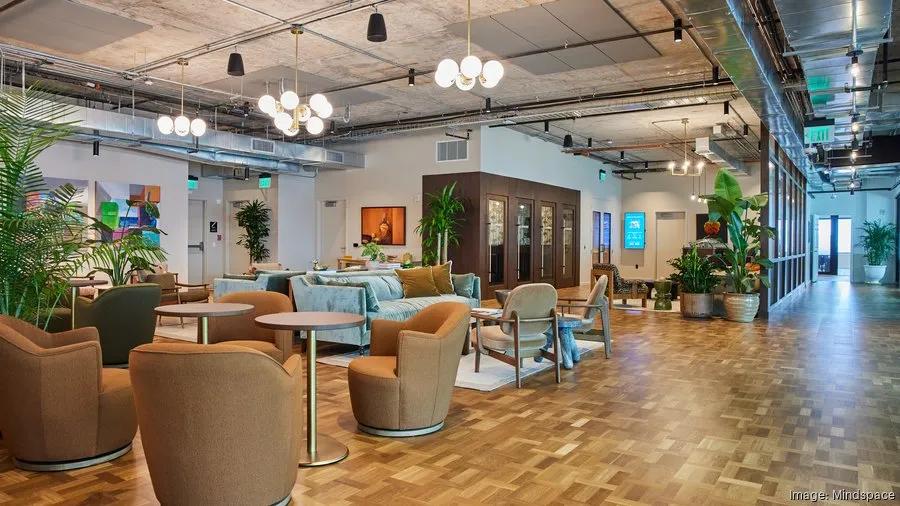
Miami's e-commerce scene is thriving, but the way these businesses approach office space is changing dramatically. More online retailers are walking away from traditional lease agreements and opting for shared office arrangements instead. It's not a passing fad—it's a practical response to how modern retail actually works.
The Traditional Lease Trap
Running an online store is fundamentally different from operating a brick-and-mortar business, yet for years, e-commerce entrepreneurs in Miami have been stuck with the same inflexible real estate options as everyone else.
Traditional commercial leases in Miami typically lock you in for three to five years minimum. You're on the hook for significant upfront costs: security deposits, first and last month's rent, and often substantial investments in making the space usable. In neighborhoods like Brickell, Wynwood, or Coral Gables, you might be looking at $40-60 per square foot annually, which adds up fast.
For an online retailer who needs space for a small team, room to store product samples, and occasional areas for content creation or vendor meetings, this model never quite fit. You end up paying for way more space than you actually need, or you compromise and work from home, which brings its own set of problems.
What's Driving the Change
The shift toward shared office spaces isn't just about cutting costs—though that's definitely part of the equation. It's about finding workspace solutions that align with how e-commerce businesses actually operate.
Flexibility matches business reality: Online retail is seasonal and unpredictable. You might need extra hands during Q4, then scale back in January. Maybe you're testing a new product line and need temporary space for a larger team. Shared offices let you adjust your footprint without renegotiating a lease or breaking a long-term contract.
Overhead that makes sense: With traditional leases, you're responsible for everything—utilities, internet, maintenance, furniture, kitchen supplies. It all adds up, and more importantly, it all takes time to manage. Shared spaces bundle these essentials into one monthly payment, freeing you to focus on actually running your business.
Professional environment on demand: You might not need a formal office every single day, but when you're filming product videos, hosting a brand strategy meeting, or sitting down with a potential wholesale partner, working from your apartment isn't going to cut it. Shared offices give you access to professional space exactly when you need it.
Built-in infrastructure: Reliable, fast internet isn't a luxury in e-commerce—it's essential. Same goes for good lighting if you're shooting content, quiet spaces for customer service calls, and meeting rooms equipped for video conferences with overseas suppliers. Shared workspaces have all this ready to go.
Accidental networking: One of the unexpected benefits is simply being around other business owners. The freelance photographer two offices down might become your go-to for product shoots. That guy in the kitchen could run a fulfillment center. Shared spaces create organic opportunities for connections that actually help your business.
Why Miami Works for E-Commerce
Miami has natural advantages for online retail businesses. The city's ties to Latin American markets make it ideal for companies dealing with suppliers or customers in the region. The timezone alignment helps. The airport and seaport provide solid logistics options. The entrepreneurial energy here is real.
But Miami's also expensive. Real estate costs have climbed steadily, and commercial properties haven't been immune. For online retailers—especially those reinvesting profits back into inventory and growth—locking up capital in a long-term office lease can feel like a bad trade-off.
Shared office solutions offer a middle path: you get a Miami address and workspace without the financial commitment that makes traditional leasing so risky for growing businesses.
The Practical Side of Shared Spaces
Modern shared office environments have come a long way from the cramped coworking spaces of a decade ago. The designs are more thoughtful, the amenities more comprehensive, and the overall experience more professional.
Places like Mindspace have locations in Miami's key business areas. Their Downtown location, for instance, puts you near Brickell's financial center with solid access to major highways and transit options. You can check out their office spaces to rent in Miami to get a sense of what's available.
The setup typically includes private offices for teams that want dedicated space, along with communal areas for when you need a different environment or want to collaborate more openly. Meeting rooms come equipped with the tech you'd expect—good cameras and microphones for video calls, screens for presentations, whiteboards for planning sessions.
Different locations have different personalities. Some embrace Miami's creative side with bold design and artistic touches. Others lean more corporate and polished, which works if you're meeting with investors or more traditional business partners. The point is you can find a space that matches how you want your business to be perceived.
Running the Numbers
Let's get specific about costs, because ultimately this decision comes down to what makes financial sense for your business.
A traditional office lease in a decent Miami location might cost $3,500-5,000 monthly for around 1,000 square feet. That's before you factor in utilities, internet service, office furniture, and any renovation or customization work you need to do upfront. Setting up a proper photography corner, building out a conference room, or creating adequate storage could easily add $10,000-20,000 to your initial costs.
Shared office arrangements typically charge per desk or per private office, with all utilities and amenities included. For a small online retail operation with three to five people, you might pay $2,500-4,500 monthly depending on whether you opt for dedicated private space or a more flexible arrangement. The key difference: zero buildout costs and no multi-year commitment.
Beyond the monthly comparison, consider what that flexibility is worth. When you're not locked into a lease, you can redirect cash toward inventory that actually sells, marketing campaigns that drive revenue, or hiring the warehouse manager you desperately need.
Beyond Just Startups
It's easy to assume this trend is all about new businesses trying to keep costs down, but that's not the full picture. Established online retailers are reassessing their office situations too.
Some have been in traditional offices for years and realized they're paying for conference rooms that sit empty most days and desk space that's only fully occupied a few times a month. Others expanded their teams during the pandemic e-commerce boom and now need to adjust. And plenty are just tired of dealing with lease negotiations, building management issues, and the ongoing hassle of maintaining a traditional office.
The appeal of flexibility spans different business stages. Early-stage companies can launch without depleting their runway on real estate. Growing businesses can scale their space as they add team members. Established companies can optimize their overhead without looking like they're downsizing.
The Social Component
There's also a human element worth mentioning. Running an online store can be surprisingly isolating, especially when you're in the early growth phase and it's just you plus maybe one or two other people.
Shared workspaces put you in proximity to other entrepreneurs and small business owners. Not in a forced networking event kind of way, but through natural interactions—grabbing coffee, taking lunch breaks, making small talk while your laptop updates.
You pick up useful information in these casual conversations. Someone mentions a shipping company they've had success with. Another person shares their experience with a particular payment processor. You discover that someone in the next office has dealt with the exact customs issue you're currently stuck on.
This kind of knowledge exchange doesn't happen when you're working from home or sequestered in your own private office suite. It's one of those intangible benefits that's hard to quantify but genuinely valuable.
What This Means for Miami
This movement toward flexible office solutions reflects broader changes in Miami's business ecosystem. The city's economy is becoming more diverse, with technology companies, financial services firms, and e-commerce businesses playing increasingly important roles alongside tourism and real estate.
Flexible workspaces support this economic evolution by making it easier for businesses to establish themselves in Miami. You can test whether the city works for your company without betting multiple years of rent on that decision. The barrier to entry drops significantly.
For online retailers in particular, Miami's strengths—the Latin American connections, the logistics capabilities, the growing startup community—become more accessible when office space isn't such a heavy financial burden.
Looking Forward
The transition from traditional leases to shared office arrangements represents more than just a cost-cutting measure. It's a recognition that workspace needs to match how businesses actually operate, not how office buildings have traditionally been structured.
For Miami's online retail sector, shared workspaces address concrete challenges: they reduce fixed costs, provide professional environments when necessary, deliver the infrastructure that e-commerce depends on, and create space for the kind of community that helps isolated entrepreneurs feel less alone.
Traditional leases still make sense in some situations—larger companies with stable teams and specific facility requirements might find them preferable. But for the growing number of Miami-based online retailers, the combination of flexibility, lower costs, and community that shared workspaces offer is becoming the obvious choice.
The workspace market is evolving because business itself is evolving. In Miami, where entrepreneurial spirit has always been strong, this shift feels less like disruption and more like a natural progression toward something that simply works better.