

Quick Summary
Today, property maintenance has changed from reactive to strategic.
Manual systems delay reaction time and increase costs.
The smart maintenance software acts as a centralized hub for all work orders and communication.
This keeps everyone accountable and makes the whole process efficient.
This leads to fewer emergency repairs and downtime owing to automation.
Property teams today leverage technology to grow without adding overhead.
Property maintenance has changed dramatically over the last few years. What was once a reactive function- solving problems after tenants reported them, has evolved into a strategy that is a key pillar of property operations. Today’s residents expect fast service, digital communication, and well-maintained communities. Simultaneously, property owners are under mounting pressure to reduce costs, maintain compliance and safeguard asset value.
To fulfil these expectations, modern property teams are turning to property maintenance software that enables them to centralize operations, automate workflows, and gain real-time visibility. Technology is not a matter of choice anymore, but it’s your property management backbone.
The Evolution of Property Maintenance
Previously, maintenance teams were dependent on spreadsheets, paper logs, and phone calls. Work orders were hand-written, assigned verbally or via phone, and tracked sporadically. This strategy may have sufficed for smaller portfolios, but it quickly proves to be unsustainable at scale.
With the trend of the industry moving towards digital tools, maintenance has become a differentiator and not a cost center. Property maintenance software now provides operators across the globe with the means to transition from reactionary to proactive, maintaining the
functionality of operational processes, as the sustainability of the asset is secured through extending the lifeline of vital systems and components.
What Modern Property Teams are Up Against
Property teams have to know more than ever today while juggling even more operational demands. These are the few modern challenges that teams tend to face:
Rising Service Expectations
Today, people want quick responses and transparency. In the world of social media, online reviews, and maintenance delays are surely put into the public sphere much faster than they used to be. Poor service spoils the image and enhances turnover rates.
Operational Complexity
Having to juggle multiple buildings, vendors, techs, and budgets can create a complex web of coordination. When work orders are siloed in disparate systems, they can be confusing and cause delays and inefficiencies. Without a centralized platform, teams fail to maintain consistency.
Compliance and Documentation
Regulatory requirements are that you keep detailed logs and records of inspections and maintenance conducted on the device. Failure to maintain documentation or inadequate reporting can put properties at risk of incurring fines and, in the worst case, put them at risk of litigation.
Traditional tools are often unable to meet these needs. Here is where property maintenance software provides the structure, automation, and accountability.
What is Smart Maintenance Software?
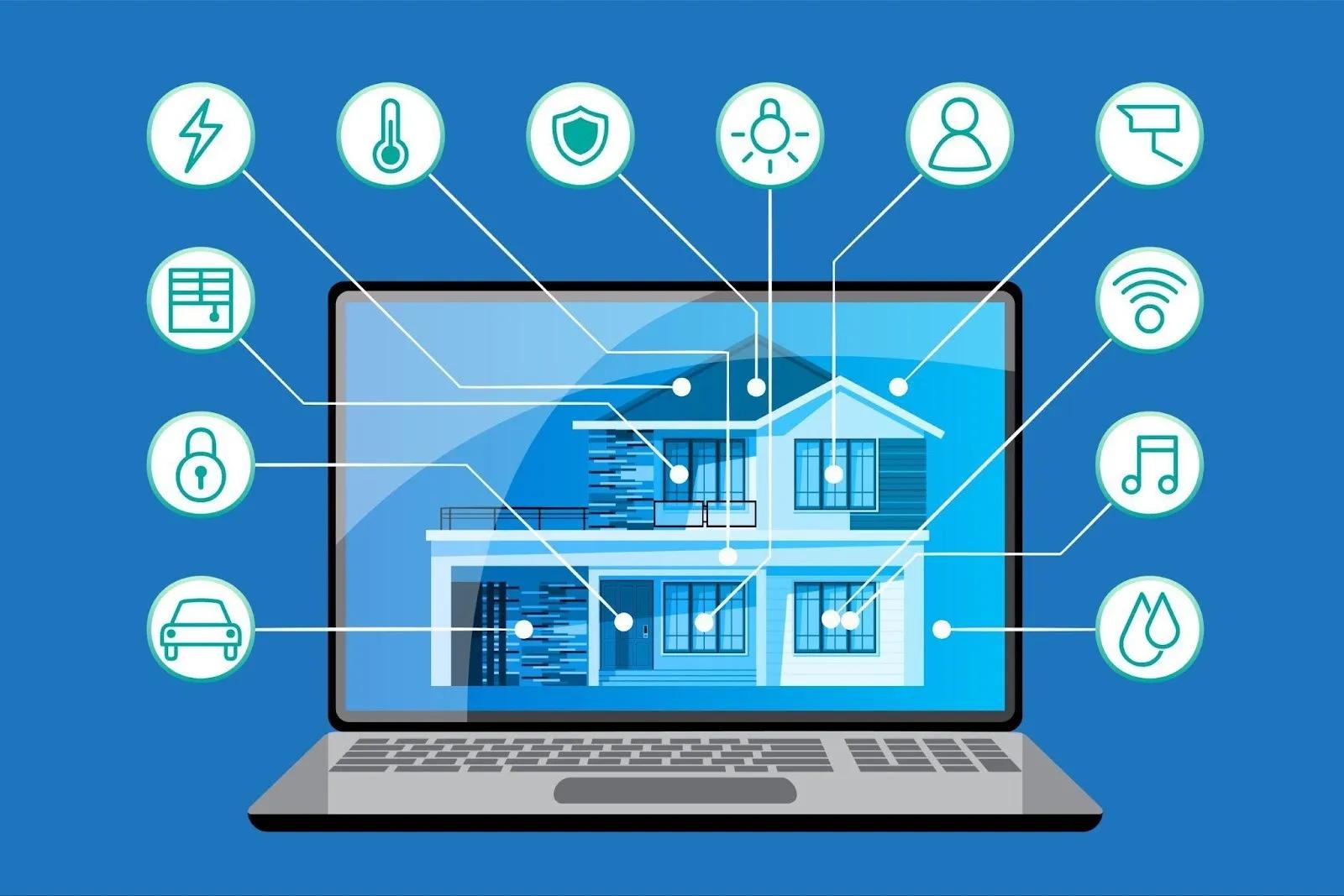
Smart maintenance software is a cloud-based system to centralize the operations of maintenance. It combines work order management, inspections, preventive scheduling, reporting, and communication all under one umbrella.
Advanced systems differ from the simple tools for ticketing, automation, mobile access, data analytics, etc. They enable technicians in the field while offering managers higher visibility into portfolio performance. Modern property maintenance software enables property teams to minimize friction in their operations.
Centralized Work Order Management
Centralized work order tracking is one of those features you find only in smart systems. Every maintenance request goes into one dashboard for managers to prioritize, assign and track tasks.
Thanks to automated routing, tickets are automatically directed to the right technician without any delay. Priority-based scheduling ensures that emergency repairs are never missed. As each responsible task holder gets real-time status updates, there is no confusion.
It centralizes all requests so that no requests are lost and reduces duplication of effort. When workflows are structured into property maintenance software, teams perform more efficiently and consistently.
Real-Time Visibility and Communication
Effective communication is key during property maintenance. Online platforms give residents a mechanism by which they can put in requests and get real-time updates. Mechanics are able to upload photos, notes and completion confirmation directly from their mobiles.
This transparency builds trust. It allows managers to check up on progress without having to consistently check in, and it keeps tenants informed on where their repair is at.
Property maintenance software drives even more collaboration and accountability between teams by cutting down on a lot of the back-and-forth emails and phone calls.
Automation Reduces Downtime and Costs
Reactive maintenance is expensive. A planned intervention is much cheaper than an emergency repair. Smart systems shift the focus to preventive maintenance.
Preventive maintenance scheduling ensures that recurring inspections and servicing are performed on time. Automated alerts notify teams of upcoming overdue jobs or work orders.
Downtime is minimized once maintenance takes a proactive approach. Expensive failures are less frequent, and equipment lasts longer. Property maintenance software reduces unwanted costs and brings some stability to their operating budgets by automating daily workflow.
Data-Driven Decision Making If captured and analyzed properly, maintenance creates valuable data. Old raw information is passed through one stage in these modern platforms.
It allows managers to spot trends over properties, monitor vendor performance and predict repair costs. Trend analysis identifies the patterns that guide your long-term capital investment planning.
Multiple HVAC repairs, for instance, can indicate that the system must be upgraded instead of just repaired continuously.
Technology, such as cloud-based systems, enables managers to manage performance at property or portfolio levels. The dashboards also offer comparative metrics for leadership to recognize high-performing teams as well as those that may require further support.
It accelerates how we onboard new properties by utilizing pre-existing workflows and models. This way, with sustainable property management software, the enterprise can grow without accumulating higher overhead.
ROI and Competitive Advantage
Smart maintenance investments produce measurable returns. Reducing vacancy loss with faster unit turns. Higher satisfaction and retention among residents due to faster service response. Transparent documentation enhances investor confidence.
Lower emergency repair costs and better vendor management also give a financial boost. In competitive markets, operational efficiency becomes a main differentiator.
Today’s experienced property teams are aware that property maintenance software is not just a convenience, but it is a strategic investment that delivers long-term profits.
Conclusion
The idea of property maintenance is no longer only about repairing the one thing that broke. It is about asset protection, compliance, resident satisfaction, and performance optimization.
Smart solutions turn maintenance into a data-driven and proactive function. Property management software allows your team to work efficiently and take responsibility while providing full visibility through the centralization of your workflow and repetitive task automation.
Providers such as HappyCo. are experts at modernizing maintenance operations. They are centralized, intelligent, and purpose-built for property teams to assist operators in transitioning from manual processes to streamlined, AI-driven performance.
In an industry where efficiency, compliance, and resident satisfaction directly influence asset value, smart maintenance technology is now a must-have for benchmarking operational performance.