

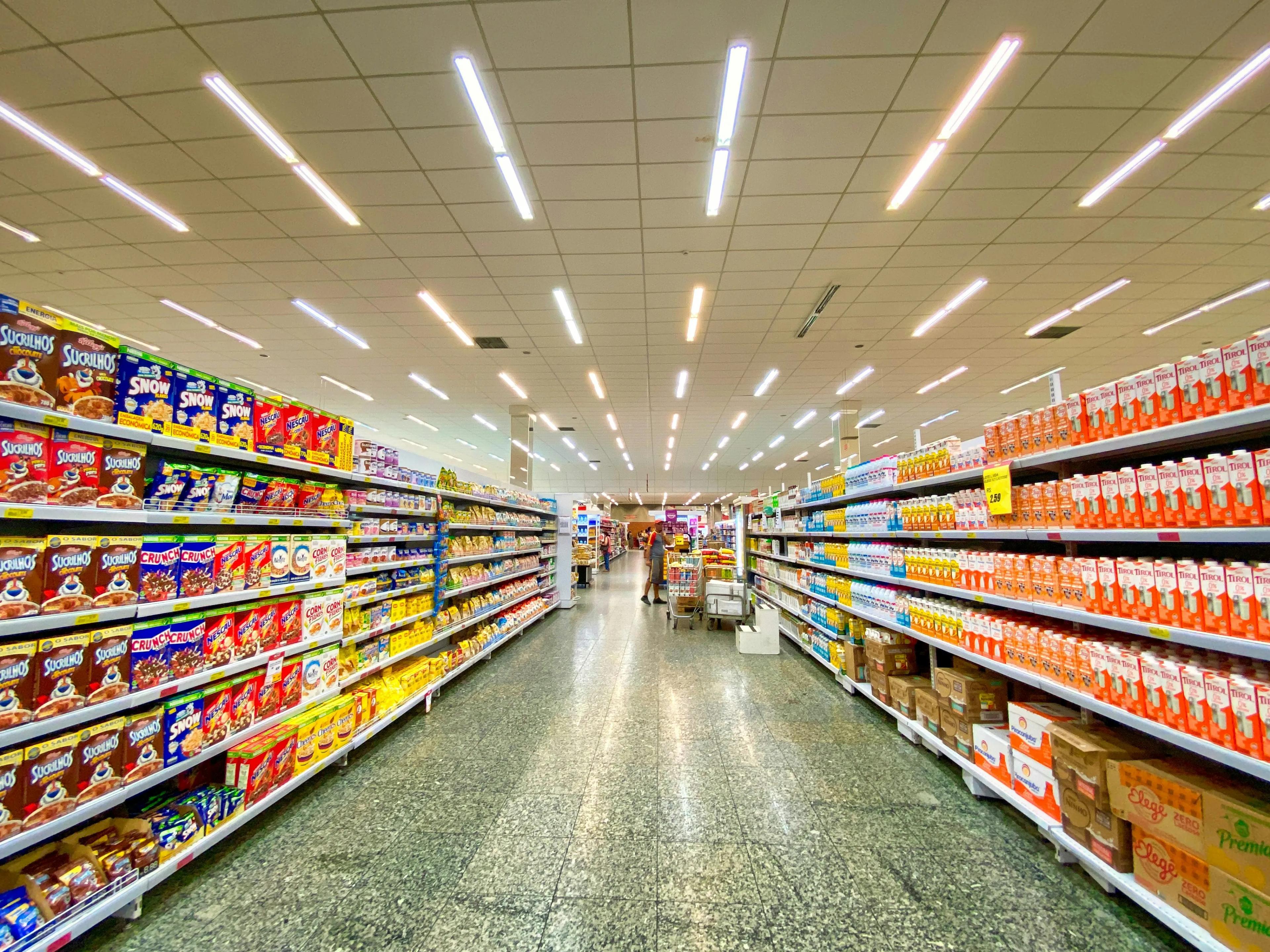
Physical retail is not disappearing. It is being forced to justify itself.
For years, store expansion was the default growth strategy. More locations meant more visibility, more access, and more revenue. That model is now under pressure. Rising rents, labour costs, and tighter margins have changed how retailers evaluate performance.
Every store is now expected to produce measurable returns.
A retail space that does not convert efficiently is no longer seen as a long term asset. It is seen as a cost centre that needs to be fixed or removed. The conversation has shifted from presence to performance.
2026 reflects a different mindset. Retailers are not asking how many stores they can open. They are asking how much revenue each square metre can generate.
The Data Behind the Shift in Retail Strategy
Retail strategy is no longer built on instinct. It is built on numbers.
Across Australia, several patterns are shaping decision making:
Operating costs continue to rise across rent, wages, and supply chains
eCommerce maintains strong growth, even in categories once dominated by physical stores
Customer expectations are shifting towards convenience, speed, and consistency
Retailers are responding to these pressures by analysing performance at a much deeper level. Store level data, foot traffic patterns, and conversion rates are now central to decision making.
Insights drawn from broader retail industry statistics in Australia show a clear trend. Growth is uneven, margins are tightening, and stores that fail to optimise their space are falling behind.
The implication is straightforward. A store is no longer judged by its presence alone. It is judged by how effectively it converts foot traffic into revenue.
From Expansion to Optimisation: The New Retail Mindset
The shift can be summarised in a simple comparison.
Previous Approach | Current Approach |
|---|---|
Open more locations | Improve existing store performance |
Focus on brand presence | Focus on revenue per square metre |
Standardised layouts | Data-driven store design |
Long setup cycles | Flexible, adaptable spaces |
Retailers are now investing in refinement instead of expansion.
Effort is going into:
Identifying underperforming zones within stores
Adjusting layouts based on customer movement
Improving product visibility and accessibility
Testing and iterating store configurations
Growth is no longer driven by scale alone. It is driven by how efficiently each store operates.
Why Store Layout Has Become a Revenue Lever
Store layout has moved from a design decision to a commercial one.
A customer’s path through a store determines what they see, how long they stay, and what they buy. Small layout changes can produce measurable differences in behaviour.
Consider a typical scenario.
A product placed at eye level receives more attention. The same product placed too low or too high is often ignored. Items positioned in high traffic zones generate more engagement than those in quieter areas.
These are not minor details. They directly affect sales.
Retailers are now analysing:
Customer movement patterns within the store
Dwell time in specific zones
Conversion rates tied to product placement
Layout is being treated as a system that can be optimised.
Instead of relying on static designs, stores are being adjusted over time. The goal is simple, remove friction, improve visibility, and guide customers towards higher value purchases.
The Role of Shelving in Modern Retail Strategy
Shelving is often overlooked. It should not be.
In a modern retail environment, shelving influences how products are seen, accessed, and compared. It defines how much inventory can be displayed without overwhelming the customer.
Poor shelving leads to wasted space. It creates gaps in visibility and limits how effectively products are presented.
Strong shelving systems do the opposite. They support both layout strategy and operational efficiency.
Key considerations now include:
Adjustability, allowing retailers to change configurations quickly
Durability, ensuring long term performance in busy environments
Compatibility with different product types and sizes
Ability to maximise vertical and horizontal space without clutter
Gondola shelving, end bays, and modular systems are being used to create flexible store environments. Retailers can respond faster to seasonal changes, promotions, and shifting demand.
The result is a store that is easier to manage and more effective at selling.
How Mills Shelving Supports Retailers in This Shift
As retailers rethink how stores operate, the need for practical, scalable solutions becomes clear.
That is where Mills Shelving fits into the conversation.
Mills Shelving focuses on supplying retail shelving systems designed for real store conditions. The approach is not about overcomplicating store design. It is about providing reliable systems that support performance.
Retailers working with Mills Shelving benefit from:
Locally stocked shelving, which reduces lead times
Fast dispatch for standard configurations
Systems built for long term use in commercial environments
Flexibility to support both new store setups and existing store improvements
Instead of treating shelving as a secondary decision, the focus is placed on how it contributes to layout efficiency and sales performance.
For retailers adjusting their strategy in 2026, that level of practicality matters.
Smaller Stores, Smarter Use of Space
Large footprints are no longer the default goal. Many retailers are moving in the opposite direction.
The focus is shifting towards compact stores that perform better.
A smaller store, when designed properly, can:
Reduce rent and operational costs
Increase product visibility through tighter layouts
Improve staff efficiency
Drive higher sales per square metre
Consider two scenarios.
A large store with wide spacing and inconsistent shelving often leads to underutilised areas. Customers miss products, movement feels unfocused, and stock density is low.
A smaller, well-structured store creates a different experience. Every section has a purpose. Products are easier to find. High-demand items are positioned where attention is strongest.
Retailers are not simply downsizing. They are removing inefficiency.
The result is a store that feels more intentional, easier to navigate, and more commercially effective.
Omnichannel Pressure Is Changing Store Design
Physical stores no longer operate in isolation. They are part of a broader system.
Online and offline experiences are now connected, which has forced retailers to rethink how space is used.
Stores are being adapted to support:
Click and collect areas for fast pickup
In-store fulfilment for online orders
Dedicated zones for returns and exchanges
These additions change how floor space is allocated.
A layout that once prioritised browsing must now balance multiple functions. Storage, display, and logistics all compete for space. Without careful planning, this creates friction for both customers and staff.
Retailers are responding by designing stores with flexibility in mind.
Shelving, layout, and zoning are being used to create multi-purpose environments. A section of the store can support browsing during peak hours and fulfilment during quieter periods.
The store is no longer just a place to sell. It is part showroom, part warehouse, and part service point.
What This Means for Retailers Moving Forward
The direction is clear. Physical retail is becoming more precise, more measured, and more performance-driven.
Several practical takeaways stand out:
Every square metre must generate value. Space without purpose is a direct cost.
Layout decisions should be based on behaviour, not preference. Customer movement and engagement data provide clearer guidance.
Shelving plays a central role in both presentation and efficiency. It affects how much can be displayed and how easily products are accessed.
Flexibility is now a requirement. Stores need to adapt quickly to changes in demand, promotions, and fulfilment needs.
Integration with online channels is no longer optional. Store design must support both physical and digital journeys.
Retailers that act on these principles tend to see stronger returns from existing locations, without needing to expand aggressively.
Physical Stores Are Becoming Performance Assets
The role of the physical store has changed.
It is no longer just a place to showcase products. It is a system that must perform. Every decision, from layout to shelving to space allocation, contributes to the final outcome.
Retailers who treat their stores as measurable assets gain an advantage. They test, refine, and improve continuously. They remove inefficiencies and focus on what drives results.
Those who continue to rely on outdated assumptions struggle to keep pace.
In 2026, success in physical retail is not about having more space. It is about using space better.