

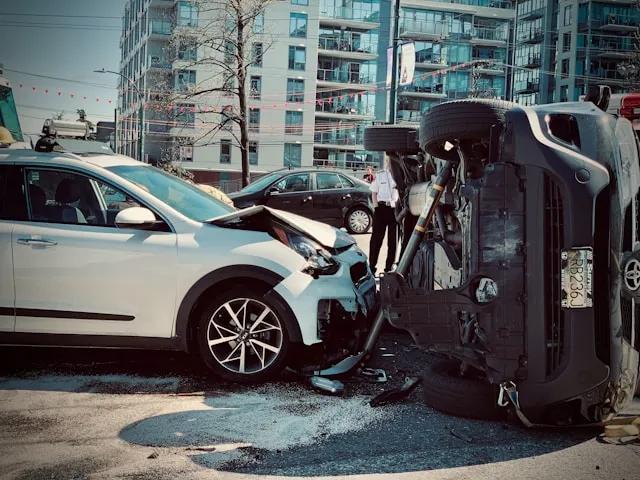
Image Source : unsplash
After an emergency vehicle collision, avoid admitting fault, delaying medical care, failing to document evidence, leaving the scene without reporting the crash, or accepting quick insurance settlements. These mistakes can create challenges when determining liability, proving injuries, or seeking fair compensation.
The steps you take after an emergency vehicle accident can have a major impact on your health, your legal rights, and any insurance claim you may need to pursue. While emergency vehicles may have certain legal privileges while responding to calls, drivers and emergency responders are still expected to follow safety standards and use reasonable care.
Understanding the mistakes that can hurt your case allows you to make informed decisions from the moment a collision occurs.
Below are the common errors to avoid and the steps you should take instead.
Assuming the Emergency Vehicle Is Automatically at Fault
After a collision involving an ambulance, fire truck, police vehicle, or another emergency vehicle, it can be easy to assume that the emergency responder is automatically responsible.
However, emergency vehicles often have special rights while responding to calls, such as proceeding through intersections or exceeding normal speed limits in certain situations. These privileges do not eliminate the requirement to operate with reasonable care.
Avoid making statements about who caused the crash before the investigation is complete. Instead, allow police reports, witness statements, vehicle data, traffic conditions, and other evidence to determine whether negligence contributed to the collision.
Failing to Report the Emergency Vehicle Collision Immediately
Some people may hesitate to report a crash involving an emergency vehicle, especially when the other driver is a police officer, firefighter, or other first responder. However, failing to notify law enforcement can create complications when documenting what happened and protecting your legal rights.
Calling 911 ensures that the collision is properly recorded and that important details, such as the emergency vehicle’s response status, road conditions, witness accounts, and involved parties, are documented. An official accident report may become important evidence when insurance companies or investigators review fault and damages.
Never Skip Medical Care
Not every injury appears immediately after a crash. Adrenaline can temporarily hide symptoms of whiplash, concussions, internal injuries, or soft tissue damage.
Seeking medical attention as soon as possible creates a documented connection between the collision and your injuries. Certain severe injuries may not show symptoms for hours or days following an accident, according to the Centers for Disease Control and Prevention.
Document Evidence Properly
Evidence from an emergency vehicle collision can play a critical role in determining what happened and who may be responsible. If it is safe to do so, document the crash scene before vehicles are moved or conditions change.
Helpful evidence includes:
Photographs of damage to all vehicles involved.
Images showing the emergency vehicle’s position, lane placement, and surrounding road conditions.
Photos of traffic signals, signs, skid marks, debris, and any visible hazards.
Details about whether the emergency vehicle had activated lights or sirens, if known.
Contact information from witnesses who observed the collision.
Names, badge numbers, and agency information of responding officers.
Small details can become important when investigators review whether the emergency vehicle was responding to a call, following traffic laws, or operating safely at the time of the crash.
Avoid Quick Settlements or Recorded Statements
After an emergency vehicle collision, an insurance company or involved agency may request a recorded statement or attempt to resolve the claim quickly. However, accepting an early settlement before the full extent of your injuries, property damage, and financial losses is known may limit your ability to seek additional compensation later.
Before agreeing to any settlement, carefully review medical records, repair estimates, lost income, and other documented losses. Taking time to understand the complete impact of the accident helps ensure decisions are based on accurate information rather than immediate pressure.
What Steps Should You Take Then?
After avoiding these common mistakes, follow these practical steps:
Unless emergency authorities tell you differently, stay at the accident scene and dial 911.
Seek immediate medical evaluation, even if injuries seem minor.
Gather photographs, witness information, and official documentation.
Preserve all medical bills, repair estimates, and related records.
Review any insurance requests carefully before providing recorded statements or accepting settlement offers.
Acting promptly helps preserve evidence that may become harder to obtain as time passes.
Key Takeaways
Avoid admitting fault because liability should be determined through evidence.
Always report the collision to law enforcement and obtain an official report.
Seek medical care promptly, as some injuries may not appear for some time.
Document the accident thoroughly with photographs and witness information.
Be cautious before giving recorded statements or accepting early settlements.
Preserve all records related to injuries, repairs, and financial losses.
Careful post-accident decisions can significantly affect insurance and legal outcomes.