

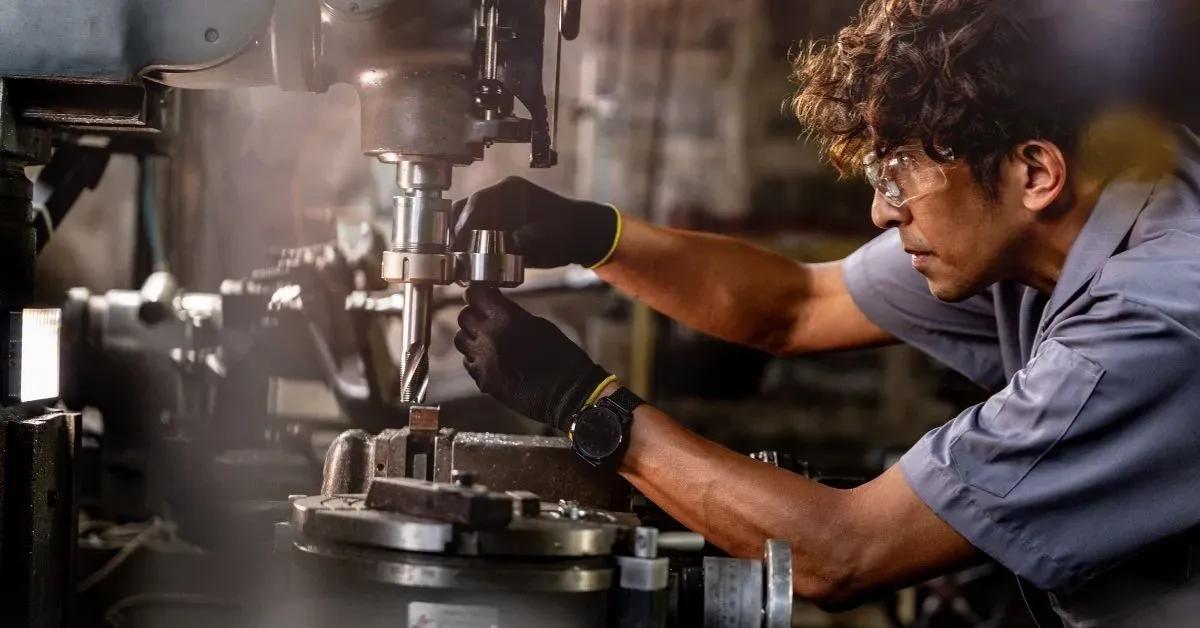
Every shop manager has dealt with the frustration of a broken end mill or a worn-out drill bit. It disrupts production and impacts the budget. To keep your equipment performing reliably and lasting longer, it’s important to understand what causes equipment wear. Here are 5 factors that influence the lifespan of machining tools.
Material Hardness Compatibility
The material you’re cutting directly affects tool life. Harder metals create more heat and abrasion, quickly dulling a soft cutter if the stock is very tough. To avoid this, match the tool material to the hardness of the workpiece. Getting this wrong almost always leads to failure. Coatings like Titanium Nitride can help by providing an extra layer of protection against wear.
Optimized Speeds and Feeds
High operational speeds create excess heat, while slow movements cause friction—both of which ruin edges quickly. The goal is to find a balance where the chip breaks cleanly without significant heat build-up. This is especially critical when machining specifc alloys like 430F stainless steel, where precise parameter calculations are necessary to prevent work-hardened layers from forming on the material.
Proper Tool Geometry
The tool's shape plays a key role in chip evacuation. A positive rake angle cuts through metal more easily, reducing strain on the motor and the cutter. Proper geometry also helps direct heat away from the cutting edge, protecting the tool. However, using the wrong shape can cause poor surface finishes and faster wear.
Effective Coolant Strategies
The leading cause of tool wear is heat generation. Coolant protects your equipment by lowering the temperature at the cut zone and lubricating the interface between the tool and the material. Depending on your project requirements, you can use different delivery methods, such as:
Flood systems for heavy stock removal
Mist applications for better visibility during lighter work
High-pressure options for efficient deep hole evacuation
Maintaining proper flow also clears chips to prevent recutting, saving the tool edge from unnecessary damage.
Rigidity and Vibration Control
Vibration can quickly damage carbide tools. If your workpiece or tool isn’t secure, it can cause chatter, leading to chipped edges and a rough surface finish. To extend the life of your tools and improve results, confirm everything is tightly clamped, and keep the tool overhang as short as possible. High-quality tool holders can also reduce runout and keep your cutter stable during operation.
Protecting your equipment starts with understanding what affects their longevity. By addressing key factors that affect the lifespan of machining tools, you can get the most out of your investment. Small adjustments to your shop setup can help maintain efficiency and keep your workflow running smoothly. Start improving productivity today!