

Emergencies rarely announce themselves. A sudden fall, a minor accident at home, or an unexpected health scare can unfold in ordinary moments. In those situations, knowing a few basic life-saving skills can turn uncertainty into calm action—and, in some cases, make a real difference to someone’s outcome.
These skills are not just for medical professionals. With awareness, practice, and the right mindset, everyday people can become safer, more prepared members of their families and communities.
Understanding When and How to Act
One of the most valuable abilities in an emergency is recognizing when something is wrong. Life-saving responses often begin with simple observations: Is the person conscious? Are they breathing normally? Is there visible bleeding?
Learning how to assess a situation quickly helps prevent panic and supports clear decision-making. Many first-aid courses emphasize scene safety, encouraging helpers to protect themselves before offering assistance. This awareness alone can reduce risk and create a sense of control during stressful moments.
Core Skills That Save Lives
Several foundational techniques are effective and adaptable. These skills are practical extensions of everyday care. They reinforce the idea that looking after others is an achievable responsibility, not an overwhelming one.
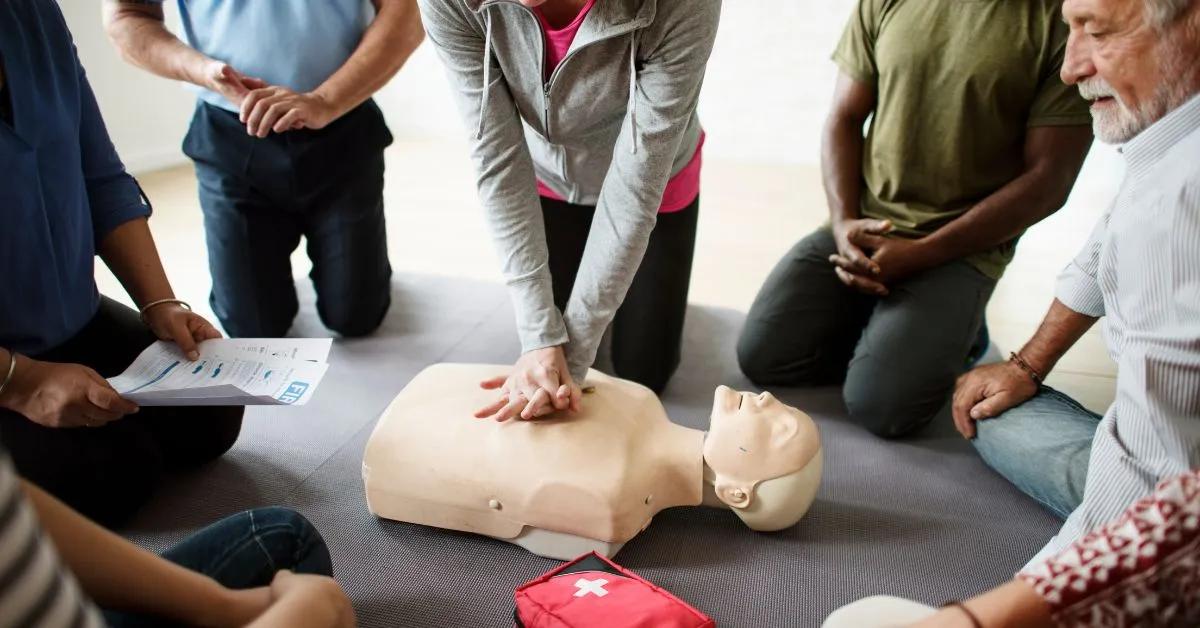
Cardiopulmonary resuscitation (CPR): Knowing how to respond when someone stops breathing or their heart stops, can sustain life until professional help arrives.
Bleeding control: Applying pressure correctly can prevent excessive blood loss in accidents.
Choking response: Simple maneuvers can help clear an airway when someone is unable to breathe.
Preparation as a Form of Wellbeing
Personal wellbeing is not only about physical health or emotional balance—it also includes preparedness. Keeping essential supplies accessible supports faster, more effective responses. A well-considered first-aid kit, designed for multiple people, can be a helpful resource during family gatherings, travel, or community events. Resources like a personal first aid kit for group emergencies can offer insight into the necessary items and why they matter.
Preparation fosters confidence. Knowing that tools and knowledge are in place reduces anxiety and supports a calmer approach when challenges arise.
Learning as a Positive Life Skill
Choosing to learn basic life-saving skills reflects a broader commitment to living positively. It encourages responsibility, empathy, and connection—qualities that strengthen relationships and communities. Even if you don't use these skills, learning them reinforces resilience and readiness.
Small steps, taken today, can have lasting value tomorrow. In a world where uncertainty is unavoidable, preparedness becomes a quiet but powerful form of optimism.