

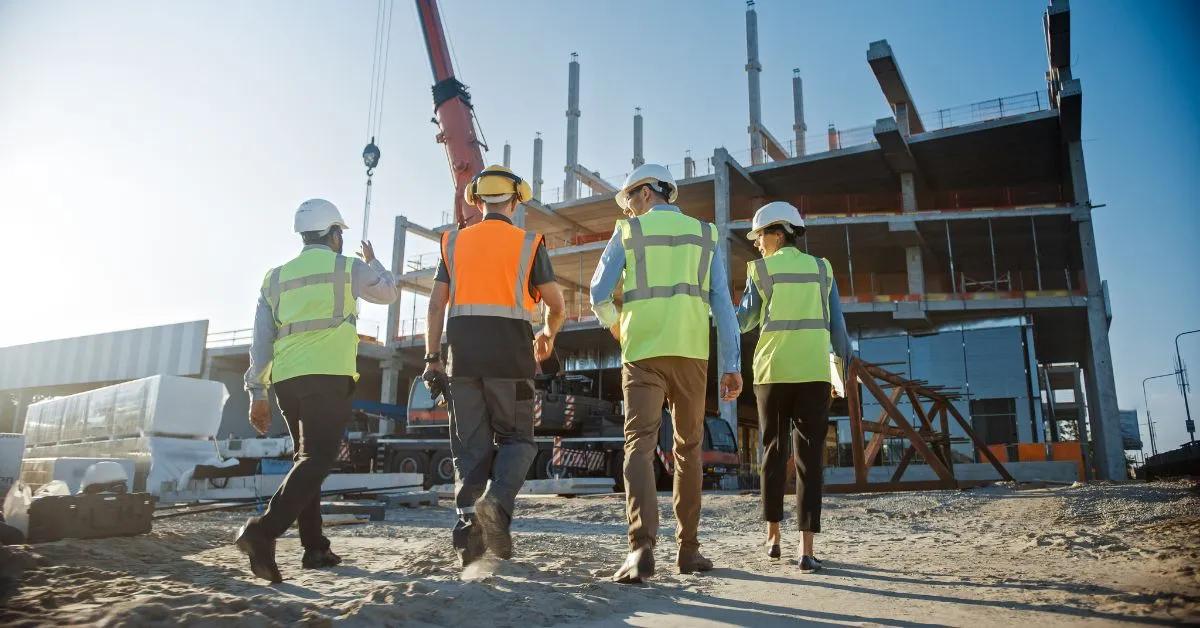
A crane can handle an impressive lift, but success starts long before the hook leaves the ground. A solid setup lays the foundation for a productive jobsite, protects equipment, and keeps projects on schedule. If your next project calls for crane work, partner with an experienced team that puts preparation first. Refer to our guide below to learn common crane setup mistakes and how to avoid them now.
Poor Ground Assessment
One of the most frequent setup errors happens beneath the crane itself. It’s critical to understand ground conditions for safe crane setup. Ground conditions have a direct impact on stability, but crews sometimes assume the surface can support the machine without a thorough review.
For example, a gravel lot may appear firm from the surface, but hidden soft spots can create uneven support under outriggers. Rainfall from previous days can also weaken soil strength. A proper site evaluation helps identify concerns before equipment arrives, reducing surprises and costly delays.
Incorrect Outrigger Placement
Outriggers distribute enormous forces into the ground. If they sit on an unsuitable surface or lack proper support materials, problems can develop quickly. Cribbing and outrigger pads help spread the load across a larger area. Without adequate support, outriggers may sink or shift during a lift. Experienced crane crews calculate ground-bearing requirements and select support materials that match site conditions rather than relying on guesswork.
Inaccurate Lift Planning
Another common crane setup mistake you should know how to avoid is inaccurate lift planning. Every crane has operating limits based on boom length, radius, load weight, and site conditions. Problems arise when lift details rely on estimates instead of verified information.
A few extra feet of radius can dramatically change crane capacity. The same applies to attachments, rigging, and load dimensions. Detailed lift planning provides a clear picture of the operation and helps crews select the right crane for the task.
Communication Breakdowns
Even a perfectly positioned crane can face challenges when communication falls short. Operators and ground crews must remain aligned throughout the setup and lifting process. Confusion about lift paths, staging areas, or hand signals can slow progress and create unnecessary risk. A pre-lift meeting gives everyone a shared understanding of responsibilities and project expectations before work begins.
Successful lifts rarely happen by accident. They result from careful preparation and attention to detail before the crane ever goes to work. If your project requires dependable crane service, work with an experienced team that can help plan and execute lifts with safety, efficiency, and reliability at the forefront.