

Construction Accidents Spark Stronger Safety Standards Across the Industry
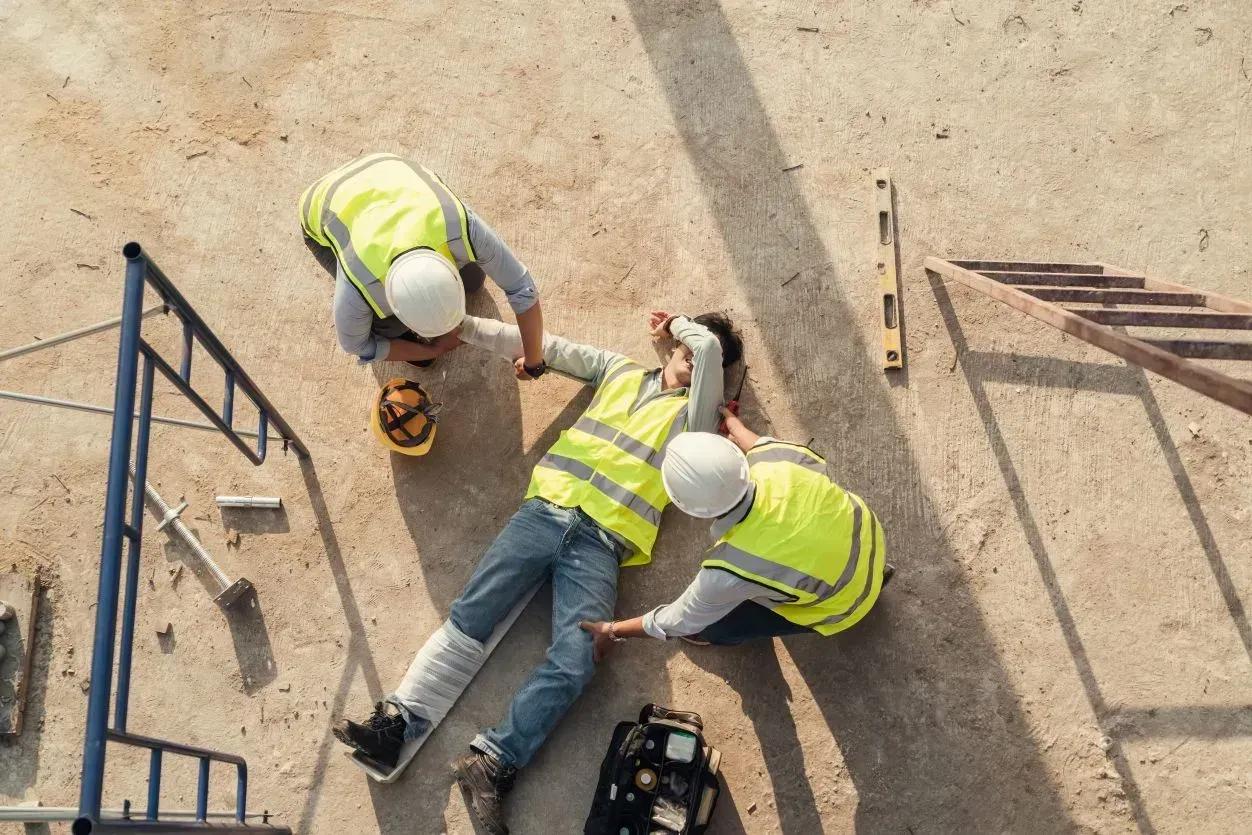
(First aid worker accident in construction site, Builder accident fall scaffolding onto the concrete floor.)
Construction accidents continue to draw national attention as new federal data underscores the scale of risk across the industry. In 2023, construction workers accounted for 20.8% of all workplace deaths in the United States, according to labor safety figures. Falls, slips, and trips remained the leading cause, responsible for well over 38.5% of construction fatalities that year. The sector also recorded 47.8% of all fatal fall-related incidents across every industry, reinforcing ongoing concerns about elevated work environments and enforcement gaps. (1)
From urban high-rise developments to large-scale infrastructure projects, these figures have intensified pressure on regulators, contractors, and site managers to strengthen safety standards. Recent incidents, combined with expanding investigation data, are reshaping how risks are assessed, how training is enforced, and how accountability is defined across modern construction sites.
Rising Incidents Bring Renewed Scrutiny in New York
In dense urban areas like New York City, construction accidents draw immediate public and regulatory attention. The city’s vertical construction boom has increased reliance on tower crane systems, scaffold towers, mast climbing work platform setups, and heavy machinery operating in tight spaces. When incidents occur, the consequences are often severe.
This environment has pushed closer scrutiny of compliance, liability, and enforcement. When serious injuries or fatal work injuries trigger investigations, worker claims, or civil actions, many turn to a construction accident law firm in New York for legal guidance. These cases often expose gaps in safety protocols, training, or equipment oversight that regulators later address through stricter rules.
Data-Driven Reforms Reshape Construction Safety Expectations
The industry’s response to construction accidents increasingly relies on data, not just anecdotal reporting. Regulators now lean on OSHA fatality investigations, injury narratives, and media reports to identify recurring hazards across construction sites.
More detailed federal data shows where the risks are most concentrated. Falls remain the leading cause of death in construction, accounting for hundreds of fatalities each year. In 2023, 421 construction workers died after falling to a lower level, out of 1,075 total construction fatalities nationwide. Safety officials continue to emphasize that many of these deaths are preventable with proper planning, oversight, and enforcement. (2)
Federal data from the Occupational Safety and Health Administration further highlights why falls remain a central enforcement issue. Fall protection violations consistently rank as the most frequently cited safety standard in construction, reflecting ongoing challenges in controlling the industry’s most persistent and deadly hazards. (3)
Crane Safety Becomes a Focal Point After High-Profile Failures
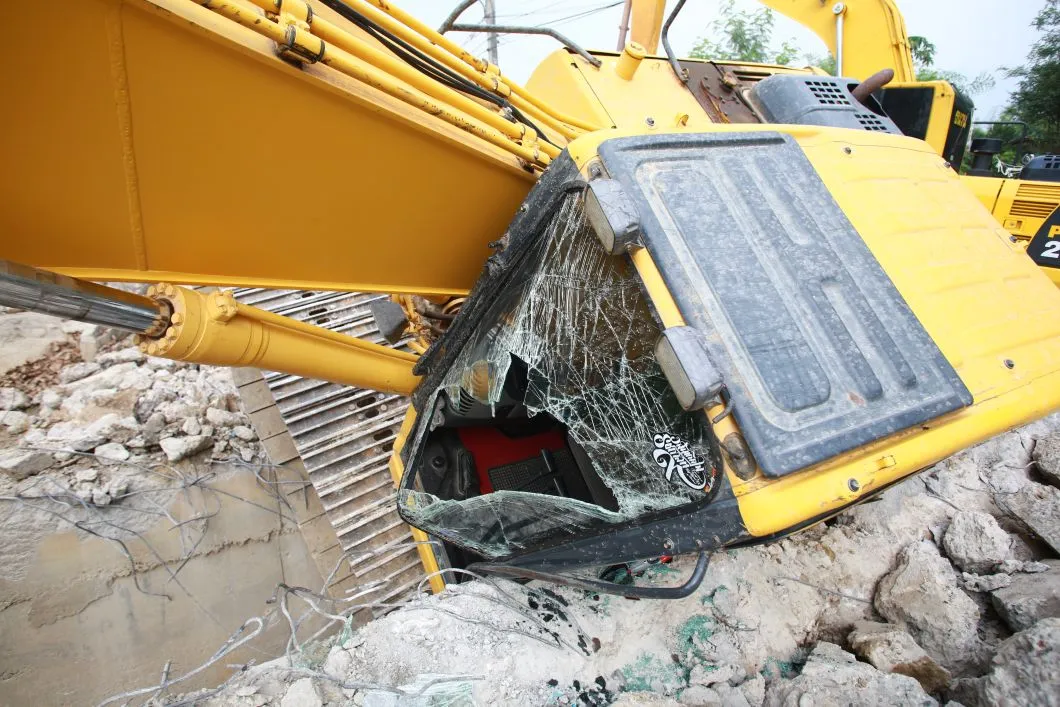
Accidents involving cranes have played a major role in driving new safety regulations and standards. Investigations into tower crane collapses and rigging failures often reveal issues tied to human error, unexpected site conditions, or misjudged equipment operations. Engineering reviews increasingly reference factors such as wire rope failure, slackened cables, and materials handling errors as contributing elements.
Federal data shows that while crane-related incidents are less frequent than other causes, they are far more likely to result in fatal accidents compared with many other types of construction equipment failures. As a result, this trend has pushed for tighter controls on crane inspections, operator certification, and environmental monitoring.
Expanded Training and Equipment Standards Aim to Reduce Injuries
Another major shift involves safety training and personal protective equipment requirements. Investigators repeatedly link construction accidents to lapses in training or inconsistent use of protective gear, particularly on fast-moving projects under schedule pressure.
OSHA standards now emphasize clearer documentation of training completion, job-specific safety rules, and enforcement of personal protective equipment use. You’re more likely to see mandatory refreshers tied to power tools, heavy machinery, and mechanical construction equipment, especially where new workers rotate frequently.
Public health authorities have noted that proper training and equipment use can significantly reduce serious injuries during construction work, strengthening the case for mandatory training standards rather than voluntary adoption.
Local Laws and Project Accountability Gain Momentum
Local regulations have also gained traction as stakeholders push for transparency and earlier hazard identification. Expanded reporting and transparency requirements tied to construction design, project management, and incident disclosure aim to surface risks before a second fatal accident occurs on the same project.
Contractors now face more pressure to document safety protocols, communicate risks clearly, and address safety violations quickly. On large infrastructure projects, oversight extends beyond the primary contractor to subcontractors responsible for scaffold installation, concrete work, and materials staging.
This layered accountability reflects a broader industry shift. Safety is increasingly treated as a measurable performance indicator with legal and financial consequences.
Technology and Engineering Analysis Influence Future Standards
Advanced analysis tools are also reshaping prevention strategies. Computational fluid dynamics studies, for instance, now inform crane placement and wind exposure planning. Field engineering teams increasingly collaborate with design professionals to reduce risks tied to communication towers, scaffold platforms, and complex materials handling operations.
These approaches aim to address hazards before workers step onto the construction site. While technology can’t eliminate all risks, it has become central to modern safety planning and regulatory compliance.
Why Stronger Standards Are Likely to Continue
Construction accidents remain a persistent problem, and enforcement will only intensify. For workers, supervisors, construction companies, and project owners, the message is direct: safety expectations are rising, inspections are expanding, and the cost of noncompliance keeps climbing.
Stronger standards aren’t a short-lived reaction. They’re increasingly seen as the baseline across the construction industry as regulators, engineers, and investigators work to bring measurable reductions in injuries and fatalities.
References:
“Fatal falls in the construction industry in 2023”, Source: https://www.bls.gov/opub/ted/2025/fatal-falls-in-the-construction-industry-in-2023.htm
“Welcome to OSHA’s Fall Prevention Campaign”, Source: https://www.osha.gov/stop-falls
“Federal OSHA coverage”, Source: https://www.osha.gov/data/commonstats