

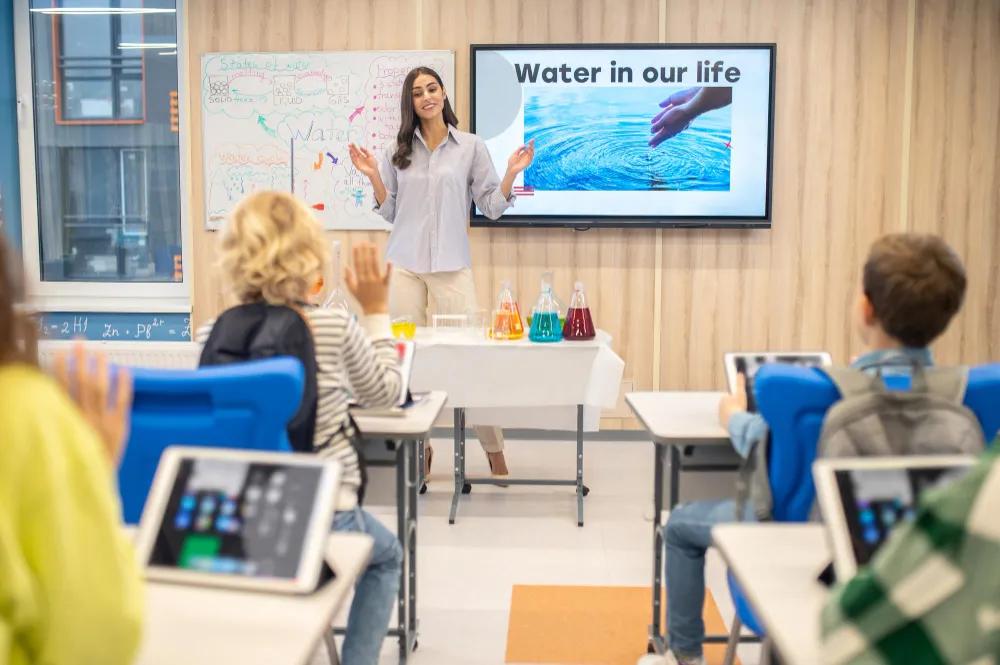
Hybrid classrooms, where some students learn in person while others join remotely, have become a lasting part of modern education. While this flexible setup expands access and convenience, it also introduces new challenges for assessment. Teachers must ensure fairness, engagement, and accuracy in evaluating students across different environments. Effective digital assessment strategies can help bridge this gap and create a more cohesive learning experience.
Understanding the Challenges of Hybrid Assessment
In a hybrid classroom, students may have varying levels of access to technology, differences in learning environments, and inconsistent engagement. Traditional assessment methods—like paper-based exams or in-person presentations—don’t always translate well. Teachers must rethink how they measure understanding while maintaining academic integrity and inclusivity.
Digital assessments provide a solution by offering flexibility and scalability. However, they must be carefully designed to avoid issues such as cheating, technical difficulties, or inequitable access.
Types of Digital Assessments for Hybrid Learning
A well-rounded assessment strategy uses a mix of formative and summative approaches:
1. Formative Assessments These are ongoing checks for understanding that help guide instruction. Tools like quizzes, polls, and discussion boards allow teachers to gather real-time feedback. For hybrid classrooms, formative assessments can be delivered through learning management systems (LMS), ensuring all students participate regardless of location.
Examples include:
Quick online quizzes after lessons
Exit tickets submitted via forms
Interactive polls during live sessions
2. Summative Assessments These evaluate student learning at the end of a unit or course. In hybrid settings, summative assessments can take the form of online exams, digital presentations, or project-based submissions.
To make these effective:
Use open-book or application-based questions
Set time limits and randomize questions
Allow multiple formats (video, slides, written reports)
3. Performance-Based Assessments These focus on applying knowledge in real-world contexts. Students can create videos, presentations, or portfolios to demonstrate their understanding.
For instance:
Recording a presentation with voiceover
Creating a digital portfolio of work
Submitting a project video explaining a concept
Leveraging Technology for Effective Assessments
Technology plays a central role in hybrid assessment strategies. Learning platforms like Google Classroom, Canvas, Moodle, and the TAO assessment platform allow teachers to distribute assignments, track progress, and provide feedback in one place.
Video-based tools are also increasingly valuable. Students can record responses, explain their reasoning, or present projects using platforms like VEED.IO or Flip. These tools support features such as AI video creation and the ability to add text to video, helping students communicate ideas clearly even when they are not physically present.
Additionally, plagiarism detection tools and browser lockdown systems can help maintain academic integrity during online assessments.
Designing Fair and Inclusive Assessments
Equity is a major concern in hybrid classrooms. Not all students have the same internet speed, devices, or quiet spaces for testing. To address this:
Offer flexible deadlines when possible
Provide offline alternatives for students with limited access
Use low-bandwidth assessment formats, such as text-based submissions
Avoid over-reliance on timed exams, which can disadvantage some learners
Universal Design for Learning (UDL) principles can guide assessment creation by offering multiple ways for students to demonstrate understanding.
Encouraging Academic Integrity
Maintaining honesty in digital assessments is challenging but achievable with the right strategies:
Design questions that require critical thinking rather than memorization
Use question banks and randomization
Incorporate oral assessments or follow-up discussions
Break large exams into smaller, more frequent assessments
You can also ask students to reflect on their learning process, which adds a layer of authenticity and makes it harder to rely on dishonest practices.
Providing Timely and Meaningful Feedback
Feedback is essential for student growth, especially in hybrid settings where face-to-face interaction may be limited. Digital tools enable teachers to give feedback in multiple formats:
Written comments on assignments
Audio or video feedback for a more personal touch
Automated quiz results with explanations
Using video feedback—enhanced with AI video tools and add text to video features—can make responses clearer and more engaging. Students are more likely to understand and act on feedback when it feels personalized.
Using Data to Improve Instruction
One of the biggest advantages of digital assessments is access to data. Teachers can analyze quiz results, track participation, and identify learning gaps in real time. This data-driven approach allows for:
Targeted interventions for struggling students
Adjustments to lesson plans
Personalized learning paths
Most LMS platforms provide analytics dashboards that make it easy to monitor class performance and individual progress.
Best Practices for Hybrid Assessment Success
To create effective digital assessment strategies, keep these best practices in mind:
Align assessments with learning objectives
Keep instructions clear and consistent
Test tools and platforms before using them
Communicate expectations with students
Gather student feedback to improve future assessments
Conclusion
Digital assessment strategies are essential for the success of hybrid classrooms. By combining flexible tools, thoughtful design, and data-driven insights, educators can create fair, engaging, and effective evaluation methods. As technology continues to evolve, so too will the possibilities for assessing student learning—making it more dynamic, inclusive, and aligned with real-world skills.
Ultimately, the goal is not just to measure learning, but to support it. With the right strategies in place, hybrid assessments can empower both teachers and students to thrive in a modern educational landscape.