

Key Takeaways
Dryer Fabric stability improves when you control edge tension drift (example KPI: ±0.5 kN/m).
Dryer Fabric permeability checks every 30 days reduce rewet and sheet flutter (simulated 2025 dashboard).
Dryer Fabric cleaning works best as a low-dose routine, not a rare “shock wash” (less seam fatigue).
Dryer Fabric life is mostly alignment: correct lead-in and tracking prevent edge cracking before it starts.
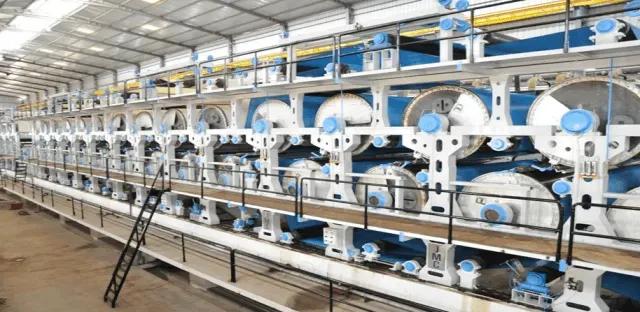
Context: how a paper machine dryer section fits into papermaking.
Next, you'll get a practical setup routine, tool-based checks, and a quick troubleshooting flow you can apply on-shift.
One question that reveals most Dryer Fabric issues
If your Dryer Fabric is “healthy,” does it sound steady—or does it start hunting, whispering, and then slapping as speed and moisture change?
That sound shift usually isn't mysterious: it's a mix of airflow, moisture, and mechanical alignment—classic heat transfer plus tension behavior.
In 2025, many mills are pushed to document energy intensity and uptime, so Dryer Fabric performance has become a measurable lever—not just “clothing for cylinders.”
Dryer Fabric Setup & Care Guide (Basic + Advanced)
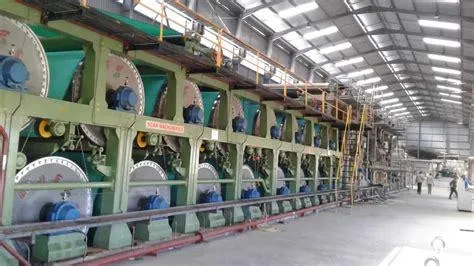
Deductive logic: core principles → region-agnostic, shift-friendly execution.
The three fundamentals you control
Dryer Fabric performance is mostly: (1) stable tension, (2) stable tracking, (3) stable permeability—each tied to airflow and moisture. If you want the “materials” backdrop, Dryer Fabric is a type of engineered textile commonly built from polymers like polyester and nylon.
Basic version (do this every shift; it prevents 80% of pain)
Think of it like this: you're managing a moving belt that must keep its shape under heat and moisture—classic tension plus process stability.
Confirm lead-in and alignment before chasing tension; misalignment makes “perfect tension” impossible.
Bring Dryer Fabric to target tension gradually, then wait for temperature stabilization before final trim.
Record a simple baseline: drive load, sheet moisture at dryer entry/exit, and any flutter noise at constant speed.
Inspect edges and seam weekly; small edge fray becomes a runnability event surprisingly fast.
Keep surfaces breathable: if permeability drops, heat transfer suffers and you'll “pay” in steam.
One line of shop-floor truth: if tracking is twitchy, stop adjusting everything—pick one change, then observe.
Advanced version (when you're chasing steam, wrinkles, or edge damage)
Dryer Fabric issues often hide in moisture-air interactions: humidity, dew point, and ventilation patterns matter more than people admit. Quick refresher: humidity changes how quickly the sheet and fabric equilibrate.
Run a permeability spot-check map across width (drive side → center → tending side) and trend it monthly. (Example data, simulated 2025 KPI: >12% width-variance correlates with localized wrinkles.)
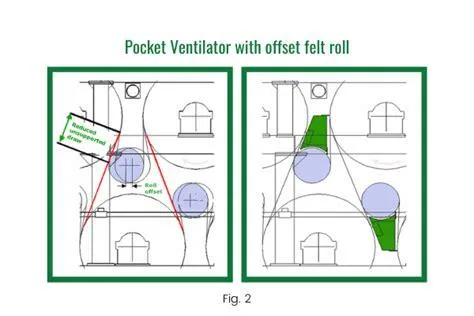
Validate dryer pocket ventilation balance; uneven pocket air can induce flutter even with correct tension.
Cross-scenario transfer: if you do grade changes, treat Dryer Fabric like a control surface—reset baselines after each grade shift.
If steam usage spikes, check fabric contamination before touching cylinders—insulating deposits reduce effective heat exchange.
If your site is piloting a digitial twin approach, start by feeding it tension, speed, and moisture trends—then add complexity later. Learn the concept at Digital twin.
Tool Review: Checks That Keep Dryer Fabric Predictable
Comparison logic: low-friction tools that reduce guesswork on shift.
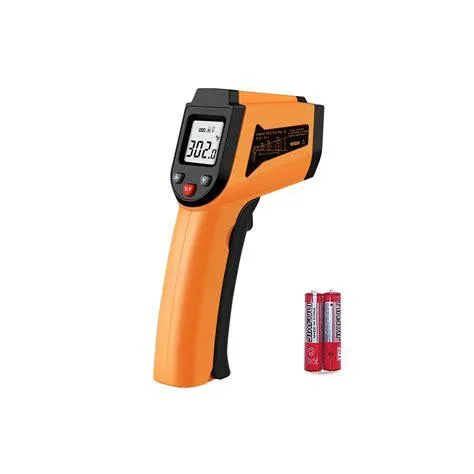
1) Infrared temperature spot-check Use: High
Use it to catch uneven drying patterns early (hot stripes, cold pockets). Background: infrared.
Fast, non-contact trend checks
Emissivity assumptions can skew readings—be consistent
2) Permeability / airflow spot tester (or vendor kit) Use: High
Permeability is your proxy for “can air and vapor move through the fabric?” The physics concept: permeability.
Turns cleaning into a measurable decision
Sampling bias: map across width, not one point
3) Simple operador checklist (the “tool” people skip) Use: Medium
A tight, repeatable checklist (shift-to-shift) catches drift early and reduces “tribal knowledge” loss. If you want the methodology, see checklist.
Improves handoffs and accountability
Must stay short—or people won't use it
Decision shortcut
If you're seeing wrinkles: map permeability first. If you're seeing edge wear: verify alignment first. If you're seeing steam creep: check contamination first.
Case Breakdown: Fixing Dryer Fabric Flutter After a Grade Change
Inductive logic: one situation → a reusable pattern.
Scenario (simulated case with example data)
After a grade change (lighter basis weight), the machine runs fine at low speed, but Dryer Fabric starts fluttering above a certain speed. You also notice a small uptick in steam and a “soft” sheet feel at the reel.
What was actually happening
Airflow balance changed with the new sheet; pocket ventilation became uneven.
Permeability variation across width amplified local pressure differences.
Operators chased tension first, which masked the real root cause.
The fix (step sequence matters)
Map permeability across width; flag any zones that deviate from baseline (example threshold: >10% variance).
Rebalance dryer pocket ventilation (adjust supply/exhaust) before changing tension again.
Stabilize moisture window; if ambient conditions changed, consider the dew point impact on evaporation.
Only then fine-tune Dryer Fabric tension to return tracking to baseline behavior.
Outcome (example data, simulated 2025 comparison)
Flutter incidents: -60% Steam rate: -1.1% • Breaks at transition: down modestly.
The “lesson”: on a paper machine, airflow and permeability often outrank tension as the first diagnostic move. People Also Ask: Dryer Fabric on a Paper Machine
Problem-chain logic: question → direct answer → one practical extension.
What does Dryer Fabric actually do in the dryer section?
Dryer Fabric supports the sheet, stabilizes contact with heated surfaces, and helps manage pocket air and moisture removal. Extension: if your objective is energy, start by verifying airflow and moisture profiles before changing steam.
How do I know if Dryer Fabric permeability is too low?
If moisture stalls, pockets feel “dead,” or steam rises without throughput gains, permeability may be compromised. Extension: trend permeability like a control chart; contamination tends to creep, not spike.
Why does Dryer Fabric start damaging edges or seams?
Edge damage usually means chronic tracking stress, misalignment, or localized rubbing—not “bad luck.” Extension: treat it like maintenence engineering: fix the cause, not the symptom. Background: maintenance.
What's the most common mistake with Dryer Fabric troubleshooting?
Changing tension repeatedly without a baseline—then chasing noise you created. Extension: pick one variable (air, permeability, tracking, tension), change it once, then observe at stable speed.
If you want a broader process view, see how process control thinking reduces “tuning chaos.”
One extra reference for new team members: paper properties change drying behavior more than most people expect.
Mini Experiment: A 10-Minute Test to Catch Dryer Fabric Contamination
A safe, repeatable check that helps you decide “clean now” vs “monitor.”
Quick on-floor version (no drama, no heroics): run this when you suspect the fabric is insulating instead of breathing.
Choose one stable operating point (speed and grade steady for 15+ minutes).
Take three IR readings across width on the fabric run and note the spread (DS, center, TS).
If the spread grows week-over-week while steam creeps, suspect contamination reducing effective permeability.
Decide: clean lightly now, then re-check next shift; don't wait for a full-blown runnability event.
Curious detail: the same physics that drives moisture removal is still just evaporation—you're simply running it at industrial scale.
For deeper background reading, even “simple” papermkaing has a surprising amount of materials science: papermkaing.