

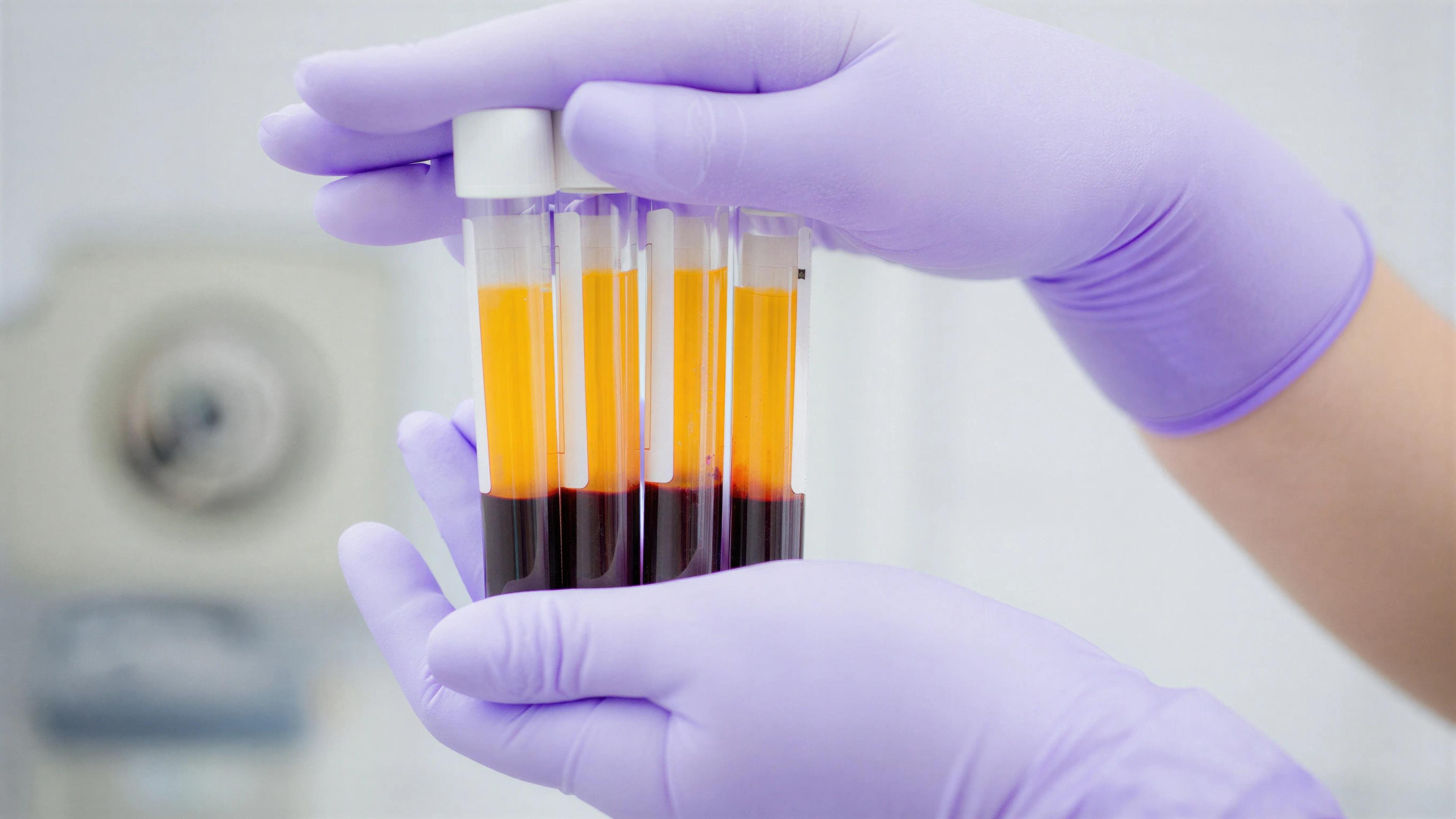
Regenerative medicine focuses on helping the body repair itself using its own biological material. One common method involves platelet-rich plasma, often called PRP. While attention often goes to how PRP is injected or applied, the process starts earlier. PRP tubes shape how blood is collected, processed, and prepared. Their design affects platelet concentration, sample quality, and treatment consistency.
Platelet-Rich Plasma and Its Role in Regenerative Care
Platelet-rich plasma comes from a patient’s own blood and supports healing in damaged or aging tissue. Understanding how PRP works helps explain why PRP tubes matter.
Platelets are small blood components that release growth factors when activated. These growth factors support tissue repair and collagen production. In PRP therapy, platelets are concentrated above normal blood levels, which increases their therapeutic use.
PRP is used across several treatment areas. Sports medicine applies it to tendon and joint injuries. Aesthetic treatments use it to improve skin quality and volume. Hair restoration procedures rely on PRP to support follicle activity. Each use depends on consistent platelet recovery during processing.
What PRP Tubes Are and Why They Matter
PRP tubes are specialized blood collection tubes designed for platelet separation. They differ from standard blood collection tubes in structure and purpose.
General lab tubes are made for testing, not therapy. PRP tubes guide how blood components separate during centrifugation. Tube shape, volume capacity, and internal materials influence platelet concentration. Poorly matched tubes can cause uneven separation or platelet loss.
Compatibility with PRP kits also matters. Many systems rely on specific tube sizes to fit centrifuges and holders. When tubes match the processing setup, results stay more predictable and workflows remain efficient.
How PRP Tubes Enable Blood Separation
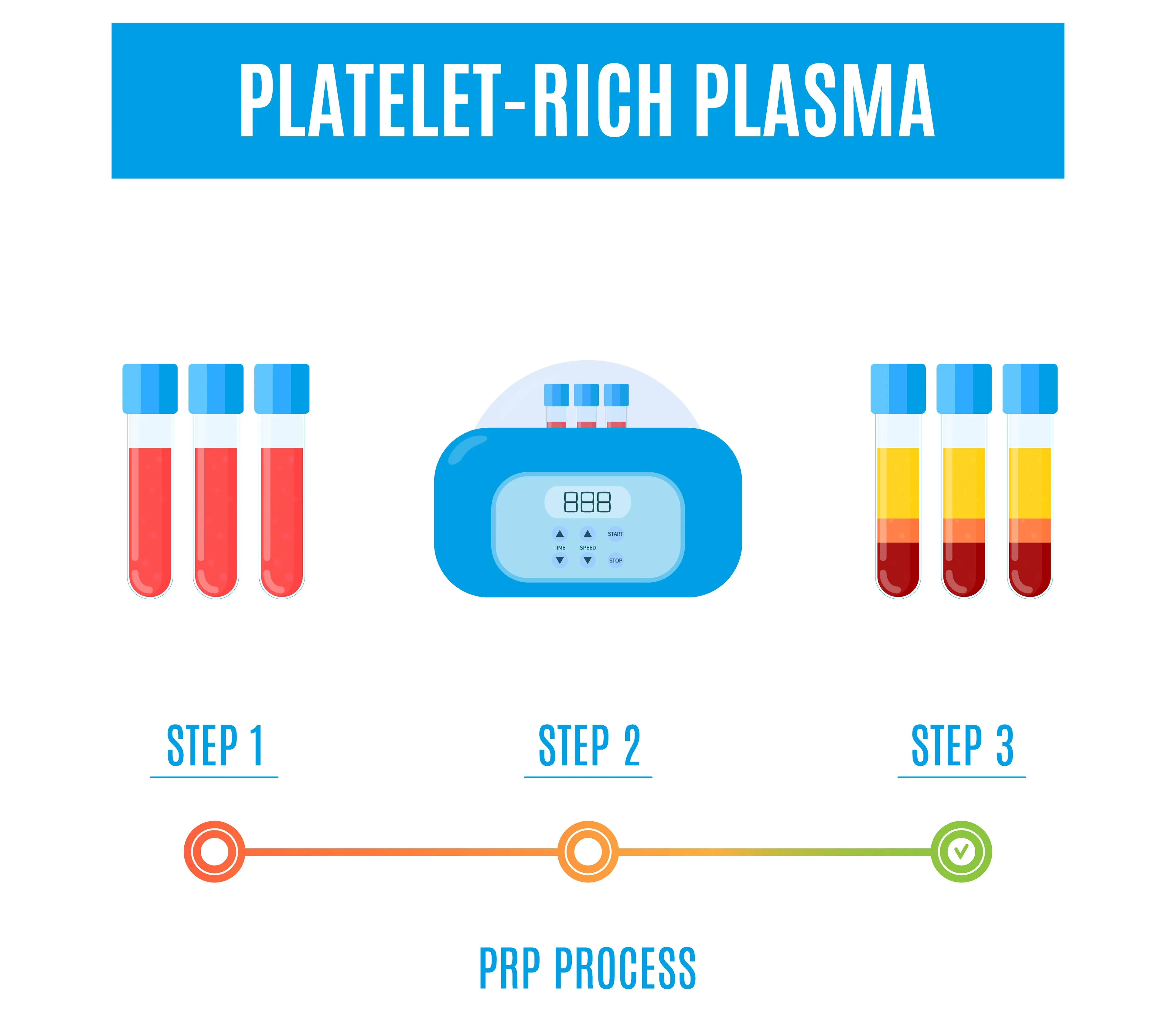
PRP tubes help control blood separation from collection through processing. Their internal features guide how components settle and remain stable.
Separation of Blood Components
After centrifugation, blood separates by density. Red blood cells move to the bottom. Plasma rises to the top. Platelets form a concentrated layer between them.
Many PRP tubes include a separation gel. This gel holds layers in place after spinning and reduces mixing during handling. Stable separation makes it easier to collect platelet-rich plasma without pulling excess red blood cells into the sample.
Anticoagulants and Sample Stability
Most PRP tubes contain sodium citrate to prevent early clotting. Clotting at this stage can trap platelets and reduce recovery.
Sodium citrate binds calcium in the blood, keeping platelets inactive until treatment. This helps protect sample integrity and supports controlled preparation.
PRP Tube Systems and Processing Methods
PRP tubes function as part of a broader processing system. The method used to spin and collect plasma affects efficiency and results.
Single Spin Systems Explained
A single spin system uses one centrifuge cycle to separate blood components. This reduces handling and saves time. Many practices prefer this approach because it simplifies training and lowers contamination risk.
When paired with well-designed PRP tubes, single spin systems can still achieve effective platelet concentration. Tube structure helps keep platelets within the target layer during processing.
Medical professionals choose systems based on treatment goals. Some procedures require higher platelet levels, while others prioritize speed and consistency. Tube selection and processing method must support those needs together.
Clinical and Aesthetic Uses of PRP Tubes
PRP tubes support a range of treatments by shaping plasma quality.
Medical Applications
In sports medicine, PRP therapy supports tissue repair in joints, ligaments, and tendons. Consistent platelet recovery helps deliver steady treatment doses. PRP is also used in musculoskeletal care to support recovery after injury.
Aesthetic and Restorative Treatments
Aesthetic treatments use PRP to improve skin texture, tone, and volume. PRP may act as a bio filler when injected into targeted areas. Hair restoration procedures rely on PRP to support follicle health and reduce shedding.
Safety, Quality, and Medical Device Standards
PRP tubes are regulated as a medical device because they directly affect patient treatment. Manufacturing standards focus on sterility, material safety, and labeling.
Medical-grade plastics reduce the risk of interaction with blood components. Clear labeling helps match tubes with the correct PRP kits and centrifuge settings. Proper storage and handling protect blood collection samples before processing.
These standards support consistent outcomes and reduce avoidable errors.
Choosing PRP Tubes for Clinical Practice
Selecting PRP tubes involves practical decisions. Medical professionals consider volume capacity, separation performance, and ease of use. Intended therapeutic use also guides selection, since different treatments require different platelet levels.
Many clinics test tubes with their existing PRP therapy setup before full adoption. Matching tube design to workflow improves efficiency while maintaining sample quality.
Conclusion
PRP tubes influence every stage of regenerative treatment preparation. From blood collection to platelet recovery, tube design affects separation, stability, and final plasma quality. As PRP therapy expands across medical and aesthetic care, reliable blood collection tubes remain central to consistent treatment outcomes.