

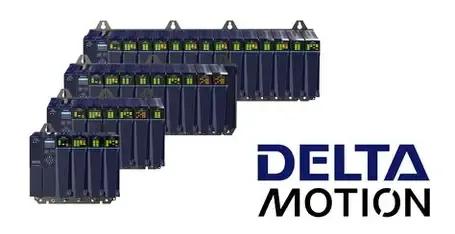
Upgrading a control system does not require tearing apart the mechanical infrastructure around it. Most facilities assume modernizing motion control means tearing into existing equipment. It does not have to. Integrity Control Services replaces only the control layer, leaving your mechanical systems exactly where they are. Before any new hardware arrives, engineers map your existing logic and document everything. That documentation serves as the foundation for the new platform. Their engineers know how to bring original sequences forward without touching a single piece of mechanical infrastructure.
Why the Control Layer Is the Right Place to Start
On most aging machines, the control system fails long before the mechanical components ever show wear. Drives and logic controllers reach end of life while cylinders and actuators keep running. Replacing only the control layer means engineers can address the highest-risk parts without disrupting what already works. That keeps the project scope tight and total downtime low. When mechanical systems stay intact, reassembly and validation go much faster. Your team gets back to production sooner with a lot less to worry about.
How Engineers Preserve Operating Sequences During a Transition
The sequences your machine depends on have to survive the upgrade intact. That is the most important thing. Before any new hardware goes in, engineers document every step of your existing logic. The replacement controller replicates that logic or improves it where cycle performance allows. Safety interlocks, fault routines, and position limits all move to the new platform exactly as they were. Your operators keep working with a process that feels familiar, even though the technology underneath has changed. And because the new control layer fits your existing process, your mechanical systems never have to be touched.
What Happens to Hydraulic Systems During a Controls Upgrade
Hydraulic circuits are among the systems most likely to remain completely intact during an upgrade. Pumps, valves, cylinders, and manifolds keep operating exactly as they were designed to function. The new motion controller directs those components with more precision than the legacy hardware provided. In hydraulic applications this means tighter pressure control and smoother velocity profiles each cycle. None of those gains require any physical changes to the hydraulic circuit itself. All of that improved performance comes from software and a replacement controller. Nothing else needs to change.
Why Outage Windows Stay Shorter Without Mechanical Work
Every hour your production line sits idle during an upgrade is money walking out the door. Removing mechanical work from the project scope is one of the best ways to shorten outages. When technicians only swap control hardware and reprogram logic, the physical scope shrinks considerably. There is no need to disconnect plumbing, realign assemblies, or recalibrate untouched components. Validation focuses on control performance rather than mechanical integrity, so it proceeds much more quickly. Shorter outages protect your revenue and make the whole upgrade far less disruptive.
How Targeted Upgrades Protect Institutional Knowledge
Long running machines carry years of tuning and refinement embedded in their control logic. A poorly managed upgrade can wipe out years of hard-won process knowledge if existing programs are not preserved. Engineers who put documentation first ensure that knowledge remains intact from start to finish. The new platform inherits what the previous system developed over years of production. Operators keep working with a process they already know. There is no scrambling to learn something new from scratch. This is one of the strongest arguments for targeting the control layer over rebuilding the machine.
Avoiding mechanical changes during a controls upgrade is not a shortcut. It is a deliberate engineering decision. When you separate control-layer obsolescence from mechanical wear, the project becomes more manageable. The scope stays focused. The timeline stays predictable. Your team keeps working with a process they already know. If your mechanical infrastructure is still performing well, there is no reason to touch it. Replace the outdated control hardware and leave the rest alone. That is where the real risk lives in aging industrial equipment. Facilities that understand that modernize faster, spend less, and come out the other side with far less disruption.