

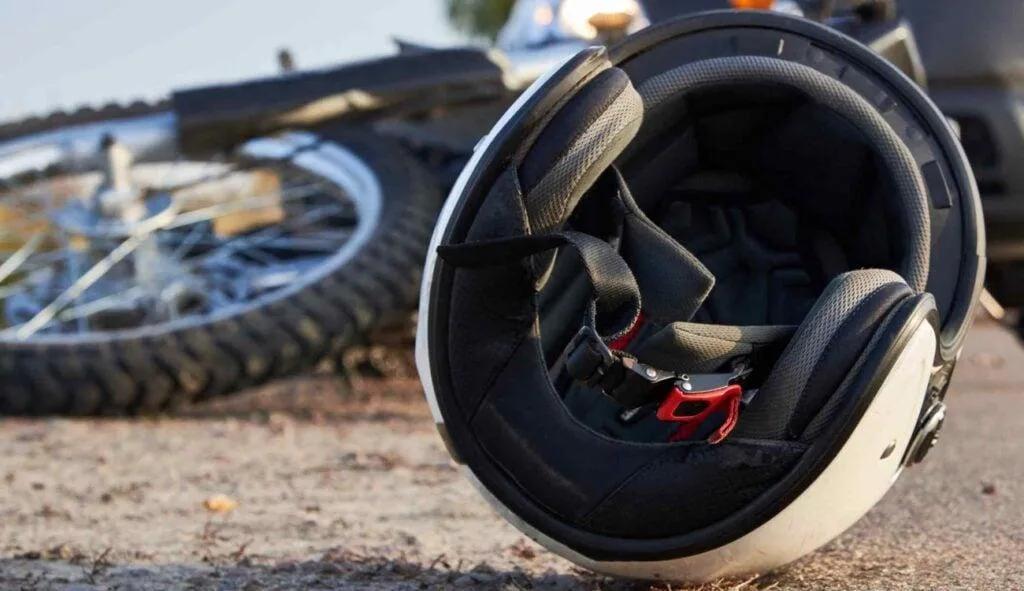
Helmet use can affect both your physical recovery and the way an insurance claim is valued. A helmet can limit head trauma, but it does not stop every serious injury from happening. After a crash, insurers may try to pay less, even if the rider followed every rule. They sometimes raise comparative negligence rules to argue that a rider should receive less money. Salamati Law Accident Attorney, based out of Los Angeles, CA, handles motorcycle cases with focus, not a one-size-fits-all approach. Knowing how helmet issues appear in claims helps riders protect their health and their financial future.
Helmet Use and The Medical Story In A Claim
Your claim relies on medical records that document your injuries and connect them clearly to the crash. When a helmet is worn, the records may show fewer brain and skull injuries, but other harm can still be severe. Riders can suffer broken bones, spinal damage, and painful skin injuries that require long treatment. Doctors’ notes, imaging results, and therapy plans help connect the crash to ongoing symptoms. Insurance companies often try to question whether some care was necessary or whether pain is lasting. Clear documentation and steady follow up visits make it harder to downplay real harm.
Why Insurers Focus On Helmet Choices
Insurance adjusters often focus on helmet choices because it can sound simple to a jury or a claims reviewer. They may suggest that not wearing a helmet shows careless behavior, even if the rider followed traffic laws. They may also argue that certain head injuries would have been smaller if a helmet had been used. This tactic can distract from the driver’s unsafe turn, sudden merge, or failure to yield. Focus on what caused the crash, then use medical records to prove the injuries you actually have. When the story stays fact based, blame shifting becomes less effective.
Liability Versus Damages And How The Difference Matters
Liability is about who caused the crash, while damages are about the losses that followed. Helmet use usually does not change whether a driver ran a red light or cut into a lane without looking. It may become relevant only when the defense claims a helmet would have reduced a specific injury. That is a damages question, not a shortcut to erase the driver’s responsibility. Medical experts can explain what injuries are consistent with the impact and what treatment is reasonable. Keeping these issues separate prevents confusion and protects the value of the claim.
How Fault Percentages Can Affect Compensation
California law can reduce compensation if the injured person is found partly responsible for the harm. Insurers may try to label helmet decisions as a percentage of fault, even when the rider did not cause the crash. If a percentage is assigned, it can reduce recovery for medical bills, lost income, and pain. The details matter, including speed, lane position, signals, and what each driver did in the seconds before impact. Witness statements, photos, and crash analysis can keep the focus on the driver’s negligent acts. A strong presentation shows that the central cause was the collision, not a personal choice made earlier.
Practical Steps After A Crash Involving Helmet Questions
Get medical care right away and describe every symptom, including headaches and dizziness. If a helmet was worn, keep it in a safe place because damage can show impact forces. If a helmet was not worn, avoid guessing about what might have happened differently. Collect photos of the scene, vehicle damage, and any visible injuries as soon as it is safe. Ask for contact information from witnesses and request the traffic report when it becomes available. These steps help preserve a clean record that supports both fault and damages.
Helmet use can shape parts of a motorcycle accident claim, but it does not change the core facts of a negligent crash. Even with a helmet, a rider can face steep medical bills and lingering pain for months. A rider who did not wear a helmet can still seek compensation but should expect stronger pushback from insurers. The key is to show what caused the crash and link each injury to that impact. Clear medical records, photos, and witness details help prevent blame shifting and confusion. With steady treatment and solid proof, helmet issues stay in their proper place rather than defining the entire case.