

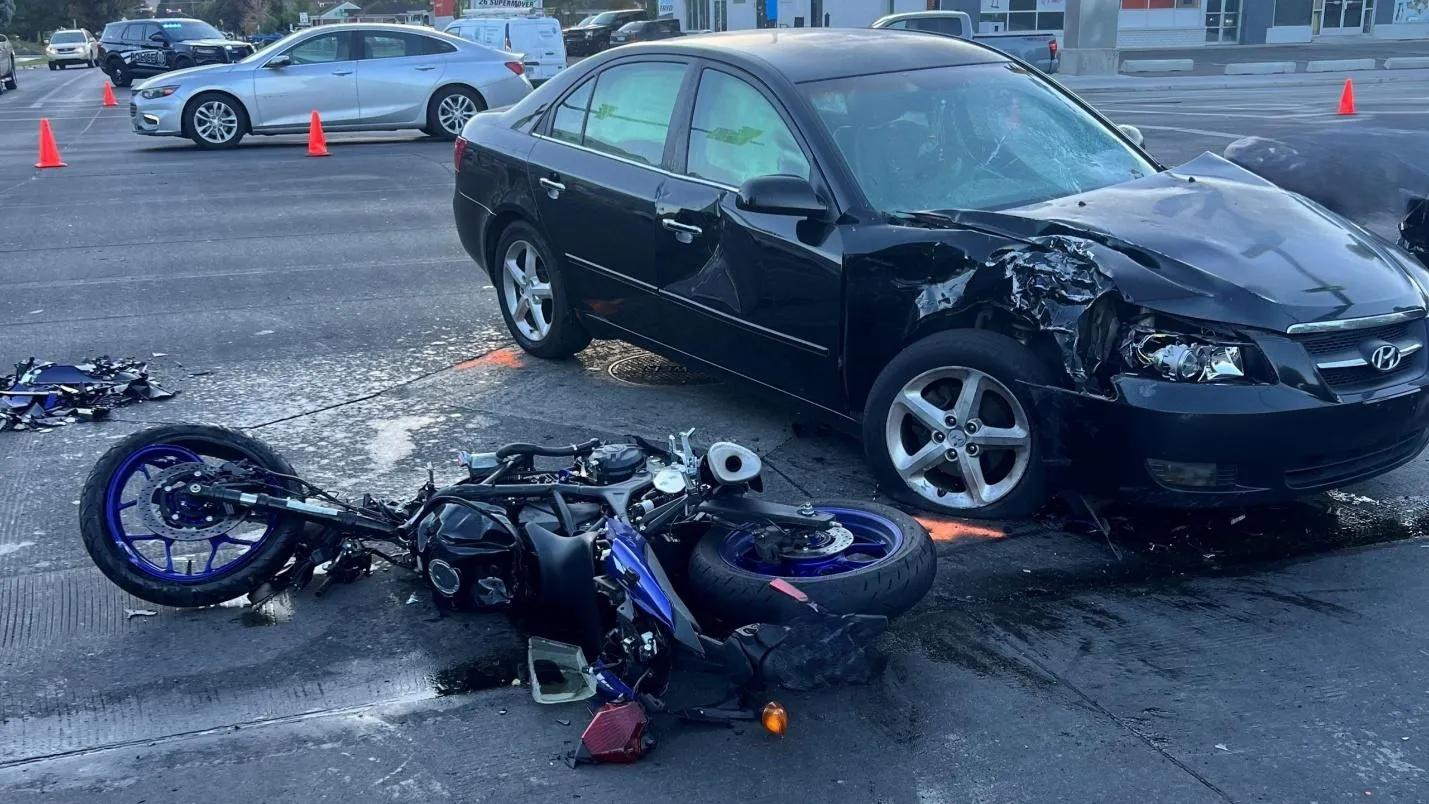
When more than two vehicles are involved in a crash, figuring out who is responsible becomes much more complicated. Each driver may share some of the fault. And you can bet insurance companies will move fast to push as much blame as possible onto someone else. Motorcyclists in particular tend to bear the brunt of these tactics because of longstanding biases about how they ride. Determining fault means examining each driver's actions, the physical evidence, and the applicable traffic laws. Buchanan, Williams & O'Brien Trial Attorneys in Missouri have helped injured riders through this process for decades. They build strong cases that hold the right people accountable and push back against insurance companies. Understanding how fault works is a smart first step toward protecting your claim.
Missouri splits fault among everyone involved in a crash. Whatever percentage you are found responsible for reduces the compensation you can recover. A rider who is found to be 20 percent responsible for a crash can still recover 80 percent of their total damages. Determining fault in a multi-vehicle accident really matters because the percentages assigned directly affect your compensation. Every piece of evidence that shifts blame toward another driver means more money in your pocket. Insurance adjusters know this, and they will push hard to pin as much fault on the motorcyclist as possible. Understanding how evidence is evaluated gives injured riders a real advantage right from the start.
Why Multi-Vehicle Crashes Are Harder to Resolve
Single-vehicle accidents are straightforward, but multi-vehicle crashes make everything more complicated. Each driver has their own insurance company, and those companies often have very different ideas about who was at fault. Witness accounts can vary depending on where people were standing. And early police reports do not always tell the whole story. Chain reaction collisions present their own challenges because the initial impact may have forced subsequent drivers into actions they could not safely avoid. Physical evidence, such as tire marks, vehicle positions, and damage patterns, often paints a clearer picture than eyewitness accounts. Getting that evidence collected and preserved quickly is one of the smartest things an injured rider can do.
The Role of Traffic Law Violations in Fault Determinations
Missouri traffic laws set the standard for how every driver should behave on the road. Breaking those laws can carry significant weight when fault is being determined. A driver who ran a red light, failed to signal a lane change, or was traveling above the posted speed limit has already provided a documented basis for negligence. When a violation contributed to the crash, it can shift a good portion of the fault away from the rider. Traffic citations issued at the scene are not automatic proof of liability, but insurance adjusters and courts do take them seriously. Investigators examine whether each driver was following the rules that applied to them. Reviewing all traffic violations in a multi-vehicle crash often provides a clearer picture of how the crash unfolded.
Evidence That Shapes the Outcome
The quality of evidence collected after an accident can make or break a fault determination. Dashcam footage, business surveillance video, and traffic cameras can capture details that witnesses simply cannot. Accident reconstruction experts analyze vehicle damage, road conditions, and impact angles to piece together exactly what happened. Medical records link the severity of injuries to the forces involved, strengthening the overall picture. Witness statements gathered soon after the crash tend to be far more reliable than those collected weeks later. Moving quickly to secure all of this evidence is one of the best things you can do early on.
How Insurance Companies Approach These Claims
Insurance companies handling multi-vehicle claims are incentivized to minimize payouts. Adjusters often contact injured riders quickly, before legal representation is secured, seeking statements they can later exploit to challenge the claim. They may also invoke the stereotype of the reckless motorcyclist to exaggerate the rider’s fault. However, Missouri law requires fault to be determined by the specific facts of the crash, not assumptions. When several drivers share blame, their insurers may also attempt to evade responsibility by assigning blame elsewhere. Riders who recognize these tactics are better equipped to resist and demand fair compensation.
What Shared Fault Means for a Motorcycle Accident Claim
In Missouri, you do not have to be completely blameless to recover compensation, but every percentage of fault does reduce your final award. When damages are significant, even a small shift in fault percentage can mean a big difference in what you actually walk away with. A strong legal team works to minimize your share of fault and identify all parties who contributed to the crash. Missouri's joint and several liability rules may also allow you to recover the full amount from one responsible party, even if another at-fault driver is underinsured. Knowing how these rules apply to your specific situation is where having the right legal knowledge really pays off. Riders with solid documentation and a clear legal strategy tend to come out much better than those going it alone.
Multi-vehicle accidents are among the most complicated cases a motorcyclist can face, and fault is rarely resolved quickly. Missouri law does offer real protections for injured riders, but those protections only work when the right evidence is available to support them. The sooner you start gathering information and getting legal guidance, the stronger your position will be. Insurance companies move fast in these situations, and the riders who do best are the ones who are just as prepared and focused.