

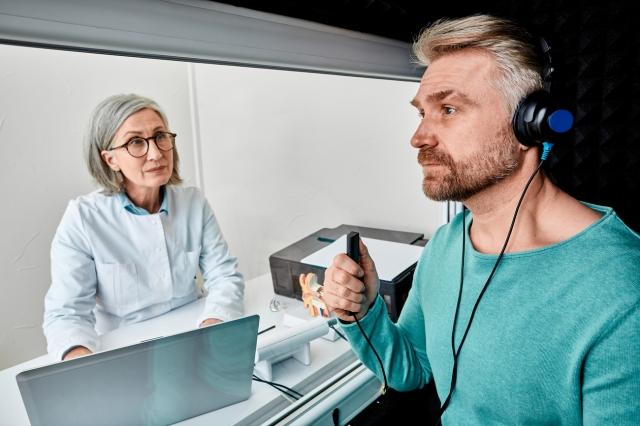
How Quality Hearing Test Equipment Can Enhance Patient Outcomes
The ability to hear is a fundamental aspect of everyday life, yet millions are affected by hearing disorders. For healthcare professionals, providing the highest standard of patient care is paramount, especially in audiology. Quality hearing test equipment is essential in diagnosing and managing hearing impairments effectively. When patients receive precise hearing assessments, the door opens to tailored treatments and improved communication abilities. In this article, we'll explore how innovative audiometric devices contribute to superior patient outcomes.
Understanding the Impact of Accurate Hearing Assessment on Patient Care
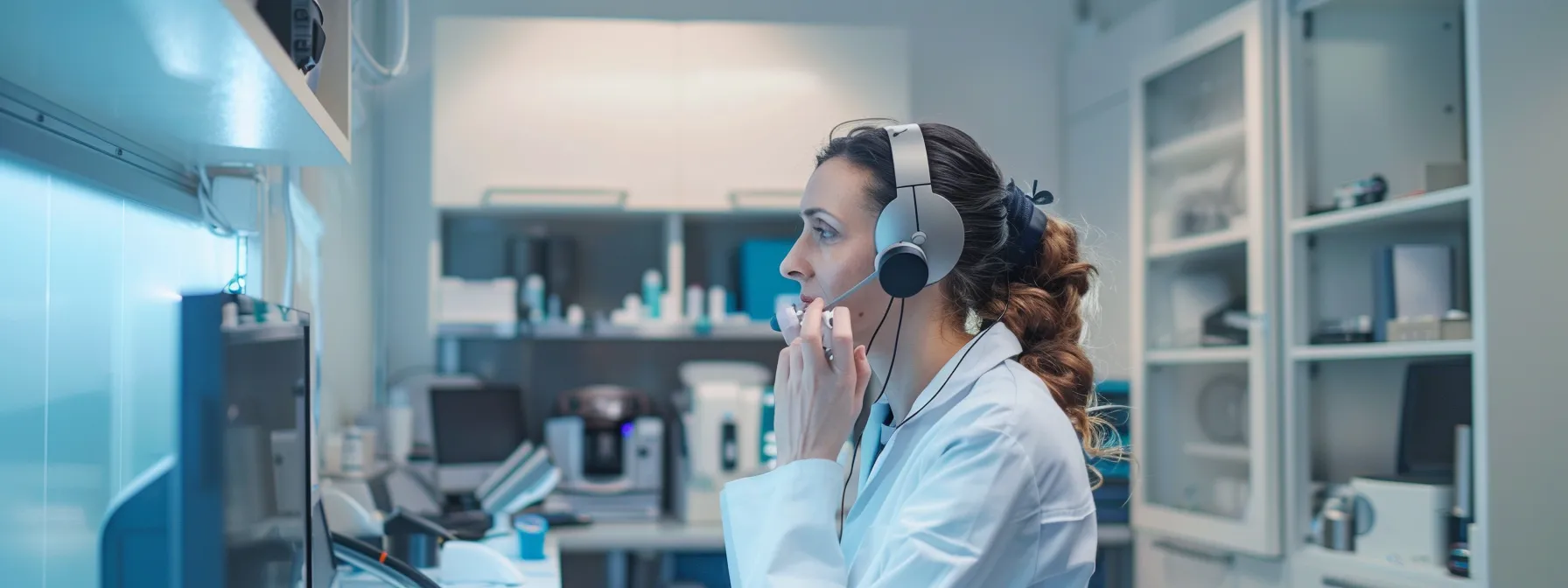
Accurate hearing assessments are the cornerstone of effective audiology practice. A precise diagnosis is crucial for determining the appropriate management strategy for individuals with hearing loss. Clinicians rely on accurate data to customize hearing aids, recommend cochlear implants, or provide other rehabilitative services. Thus, the quality of the hearing test equipment used during the assessment can significantly influence the accuracy of the diagnosis.
An accurate diagnosis also plays a critical role in counseling and educating patients about their hearing health. It facilitates a more insightful dialogue between the healthcare provider and the patient, laying the groundwork for a proactive approach to hearing loss mitigation. In this respect, the clarity and detail provided by the hearing test equipment become indispensable for both diagnosis and patient empowerment.
Finally, precision in diagnostic hearing testing can help manage the expectations of both the patient and the clinician. With accurate results, patients have a realistic understanding of their hearing capabilities and limitations, which is vital in setting achievable hearing improvement goals. Clear communication about prognosis and treatment efficacy, fostered by high-quality assessments, enhances patient satisfaction and adherence to treatment regimens.
Essential Features of Quality Hearing Test Equipment
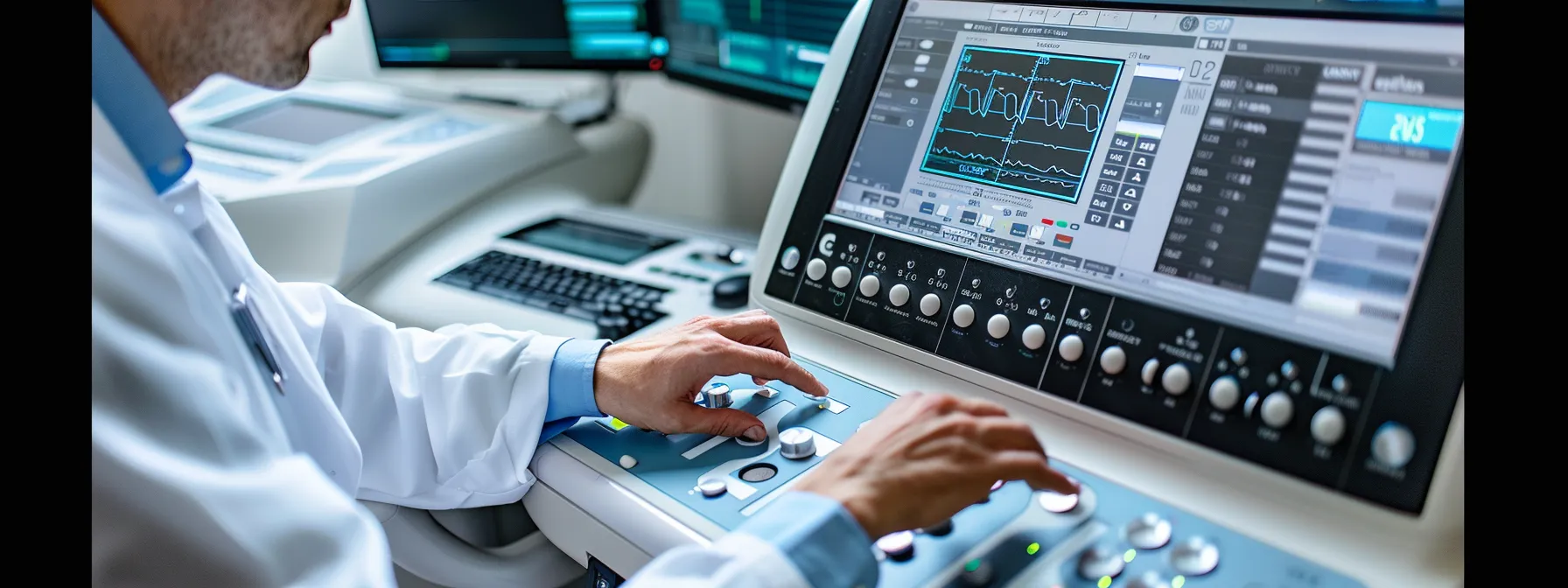
When it comes to hearing test equipment, several key features stand out as essential for quality diagnostics. Firstly, the capacity to measure a wide frequency range is crucial, as hearing loss occurs at different frequencies and intensities. Advanced equipment provides a comprehensive evaluation of an individual's hearing profile, which is the foundation of a successful treatment plan.
Next, precision and consistency in results are non-negotiable. Equipment variability can lead to misdiagnosis and inappropriate interventions. Clinicians need to rely on machines that yield consistent results regardless of external factors, such as background noise or testing environment. This consistency is vital for monitoring patients' hearing changes over time and assessing the effectiveness of interventions.
User-friendliness of the equipment is another important consideration. Audiologists and support staff require devices with intuitive interfaces and straightforward procedures to ensure efficient and stress-free operation. Modern equipment typically incorporates enhanced software features that facilitate data storage, patient tracking, and seamless integration into electronic health systems.
Durability and maintenance aspects should also be factored in, as the longevity of the equipment affects the clinic's operational efficiency and budgeting. Robust construction, backed by proper maintenance and customer support, ensures that audiometric devices remain operational and accurate for years to come, reducing the frequency of costly replacements or repairs.
The Role of Advanced Hearing Test Equipment in Early Detection and Treatment
The early detection of hearing loss can have a profound impact on the efficacy of treatment and the patient's quality of life. Advanced hearing test equipment enables more precise and earlier detection of auditory conditions, which is often critical, particularly in pediatric populations. Early intervention can greatly improve speech and language development outcomes for children with hearing impairments.
Note that societally, there is a growing recognition of hearing health as a vital component of overall wellness. Consequently, the demand for comprehensive audiological evaluations is on the rise. Screening programs for newborns, school children, and the elderly are becoming more widespread, and the quality of the equipment used can make a significant difference in these public health initiatives.
Moreover, the progression of hearing loss can be gradual and insidious, making it hard for patients to recognize the decline in their own hearing abilities. Regular check-ups with advanced testing equipment allow for early detection of such gradual changes, enabling prompt and proactive intervention strategies before the impairment severely disrupts the individual's life.
Given the relationship between hearing loss and other health issues, such as cognitive decline, mental health challenges, and even heart conditions, the role of sophisticated audiometric devices in early detection cannot be overstated. The comprehensive data provided by high-caliber equipment supports a holistic approach to patient health that transcends audiology itself.
The ripple effects of employing cutting-edge hearing test equipment extend far beyond the audiology clinic. Improved diagnostic accuracy, early detection, and the ability to personalize treatment plans not only enhance patient outcomes but also contribute to broader public health efforts. Investing in quality audiometric technology is an investment in patient health and well-being, supporting a future where hearing impairments are effectively managed and mitigated.