

How Registered Nurses Can Build a Career in Medical Aesthetics Through Specialized Training
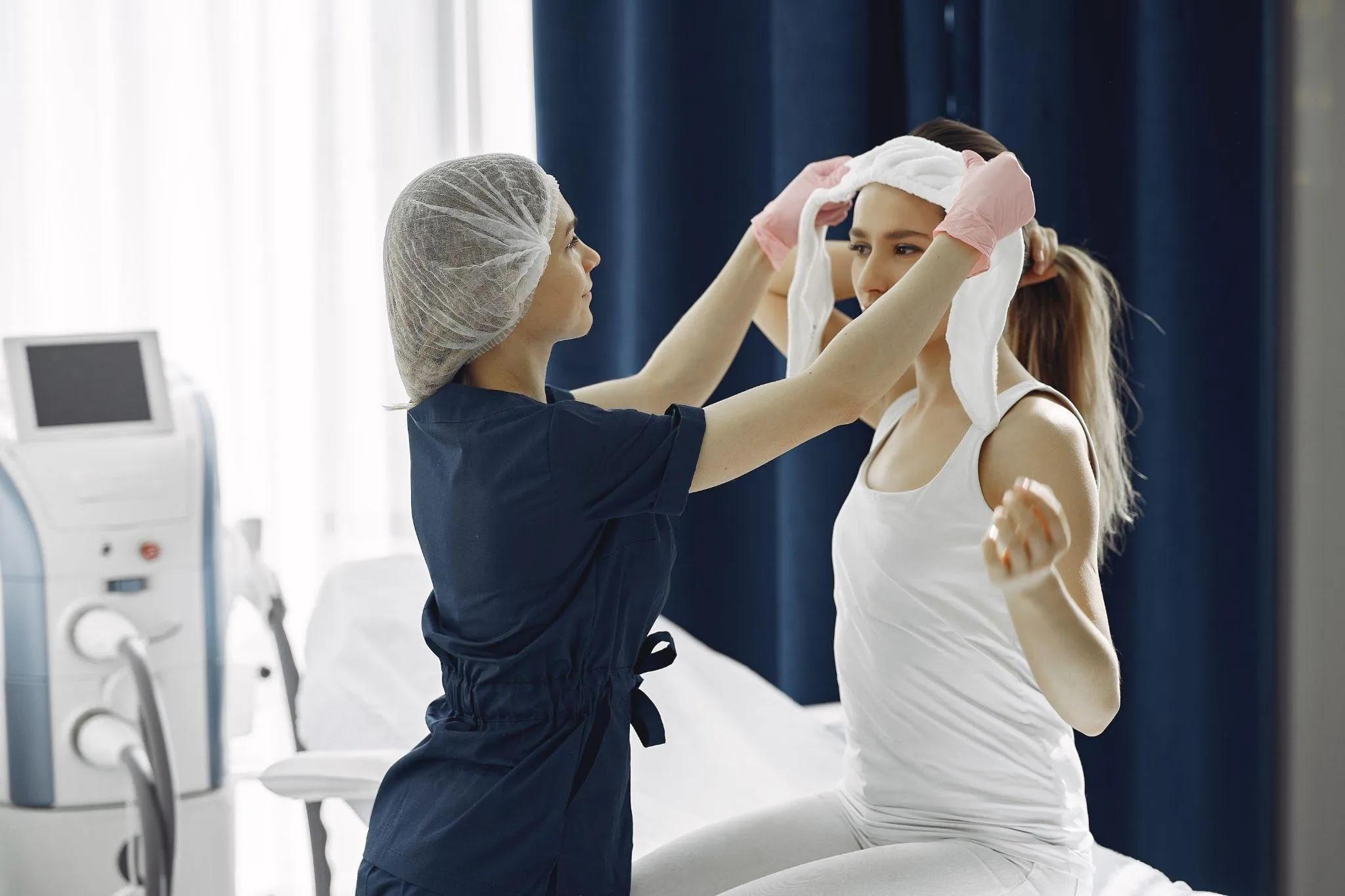
Many registered nurses reach a point where they want a new way to use their clinical skills without leaving nursing behind. For a growing number of them, that path leads to a career as an RN aesthetician, often called an aesthetic or cosmetic nurse. This is a licensed nurse trained to provide nonsurgical cosmetic treatments such as neuromodulator injections, dermal fillers, and skin rejuvenation procedures.
The move is about more than learning a new technique. It means building on skills nurses already use every shift, adding deeper knowledge of facial anatomy and skin health, and working inside clear legal boundaries.
This guide explains what the path looks like, which kinds of training matter, and what to weigh honestly before making the switch.
Why Medical Aesthetics Is Attracting Registered Nurses
Demand is the main driver. Minimally invasive treatments now far outnumber cosmetic surgery, and neuromodulator injections and hyaluronic acid fillers remain the most requested of them year after year.
These are injection-based procedures, and safe injection technique is something nurses already practice daily. That overlap explains why clinics often turn to RNs when they expand their services.
Key insights
Injectables lead the minimally invasive market by a wide margin, which keeps nurse injector roles in steady demand.
The patient base is widening. Adults aged 66 and older were the fastest-growing patient segment in 2025, up 24%.
Weight loss medications are changing consultations. In 2025, 82% of surveyed plastic surgeons reported patient questions linked to GLP-1 use, often about volume loss and skin laxity.
Can a RN Be a Cosmetic Nurse?
Yes. A registered nurse can work as a cosmetic nurse after completing appropriate aesthetic training, provided they practice within their state's scope of practice rules.
How supervision usually works
In most US states, RNs cannot independently diagnose patients or prescribe medications such as botulinum toxin. An aesthetic RN therefore usually treats patients under the direction of a physician, nurse practitioner, or other authorized provider who completes or approves the initial assessment.
The details vary widely. States differ on who must perform the first exam, whether the supervising provider must be on site, and how standing orders are written. Before accepting any role, read your state Board of Nursing's guidance on cosmetic procedures.
RN aesthetician vs licensed esthetician
These titles are often confused. A licensed esthetician holds a cosmetology-based license and focuses on facials, superficial peels, and skin care. They cannot perform injections. An RN with aesthetic training has a broader, medically grounded scope that can include injectables and certain laser treatments.
How to Get Into Aesthetic Nursing With No Experience?
Almost every aesthetic nurse started with zero aesthetic experience. What they had was a solid clinical foundation, and that is the real starting point. For a fuller look at credentials and timelines, this overview of becoming an rn aesthetician breaks the path into clear stages.
Practical steps
Build your clinical base. Hold an active RN license and BLS certification. One to two years in areas like dermatology, plastic surgery, emergency, or critical care sharpens assessment and injection skills.
Learn the foundations. Look for coursework on facial anatomy, neurotoxin and filler pharmacology, skin assessment, patient consultation, and complication management, including vascular occlusion.
Prioritize supervised hands-on practice. Programs with small groups and live patient models build more confidence than lecture-only formats. Injector Training Academy, a medical aesthetic training academy in Texas, is one example of a provider that structures training around supervised injecting.
Find a mentor. Shadowing an experienced injector shows you how consultations, treatment planning, and follow-ups work in real clinics.
Start adjacent if needed. Roles in skin care, laser services, or assisting injectors can open doors while you log supervised treatments.
A real-world pattern
Consider an ICU nurse with three years of experience. She already handles high-risk medications, documents carefully, and stays calm under pressure. After a foundational injectables course and several months of mentored practice at a dermatology clinic, she moves into a nurse injector role. Her ICU background did not become irrelevant. It became her safety advantage.
How Hard Is It to Become an Aesthetic RN?
It is not academically harder than other nursing specialties, but the learning curve is real. An experienced RN can often transition within six months to a year, depending on training access and local job demand.
The harder part is turning knowledge into consistent skill. Good injectors combine anatomy, judgment, and an eye for facial balance, and that takes repetition under supervision.
Some nurses later pursue the Certified Aesthetic Nurse Specialist (CANS) credential. It is optional in most settings, but it requires at least two years of aesthetic nursing experience alongside a qualifying physician, plus a passing exam score.
Limitations to plan for
Upfront cost. Training is usually self-funded, and quality hands-on courses can cost several thousand dollars.
The experience gap. Many employers prefer injectors who already have experience, so the first job can take persistence.
Short courses have limits. A one- or two-day course introduces technique. Competence comes from many supervised treatments afterward.
Scope restrictions. RNs generally cannot practice independently and must follow state supervision rules.
Real clinical risk. Complications such as vascular occlusion are rare but serious, and they demand fast recognition and response.
Is It Worth Being an Aesthetic Nurse?
For many nurses, yes, though the answer depends on what you value. Aesthetic nurses in clinics and med spas commonly earn between about $80,000 and $155,000 a year, often more than hospital roles.
What draws nurses in
Most aesthetic work happens during daytime clinic hours, with no night shifts or mandatory overtime. Patients are generally healthy and return over months or years, so long-term relationships form naturally. Many nurses also enjoy the blend of clinical precision and artistic judgment.
What to weigh honestly
Pay in some clinics is tied to bookings or commission, which can make income less predictable early on. Some roles carry sales expectations that feel unfamiliar to nurses trained in hospitals. Managing patient expectations and saying no when a treatment is not appropriate is part of the job.
The field also keeps moving. New products, techniques, and safety evidence appear every year, so continuing education is a professional requirement rather than an optional extra. Nurses who stay curious and committed to ethical, patient-centered care tend to build the most durable careers.
Conclusion
The path from bedside nursing to aesthetic practice is well established, but it rewards preparation over speed. Strong training, honest attention to scope of practice, and patient mentorship matter more than how quickly you get started.
Perhaps the most useful question is not whether you can learn to inject. It is whether you will still think like a nurse when the patient in front of you wants something you should not provide. The aesthetic nurses who thrive are the ones who never stop treating appearance as part of health.