

The industrial revolution in the past centuries marked asbestos as a miraculous material that’s known for its fire-resistant properties. Ancient Greeks used them in textiles, where they made garments worn by priests because they believed that they had been cleansed from impurities. Meanwhile, the Roman empire took this material to another level, where it's woven into tablecloths that are used daily.
However, a Roman Naturalist also noted that the slaves who worked with asbestos had suffered a lot of “sickness of the lungs." It was largely ignored, but these warnings were there before the researchers knew that the material could cause cancer. Find more info about lung cancer when you go to this webpage.
In the 19th century, industries used asbestos as insulators in steam engines to avoid heat loss. It also protects the workers from burns, and asbestos has found itself in homes’ ceilings as time goes by. It’s also incorporated in paints, and it has become the standard material in construction because it’s known for its longevity.
The Role of Heat and Material Choice in Foundries
Unfortunately, the material was also used in manufacturing environments that involved high-temperature processing like metal casting. Foundries have depended on asbestos to maintain stable conditions around molten metal, and this has exposed thousands of workers to asbestos.
Many wore it as protective gear, and since the use of the material has surged, so has the number of people who find themselves suffering from a variety of respiratory illnesses. Its presence was extended throughout the facility, and it’s integrated in various operational tools that people use each day.
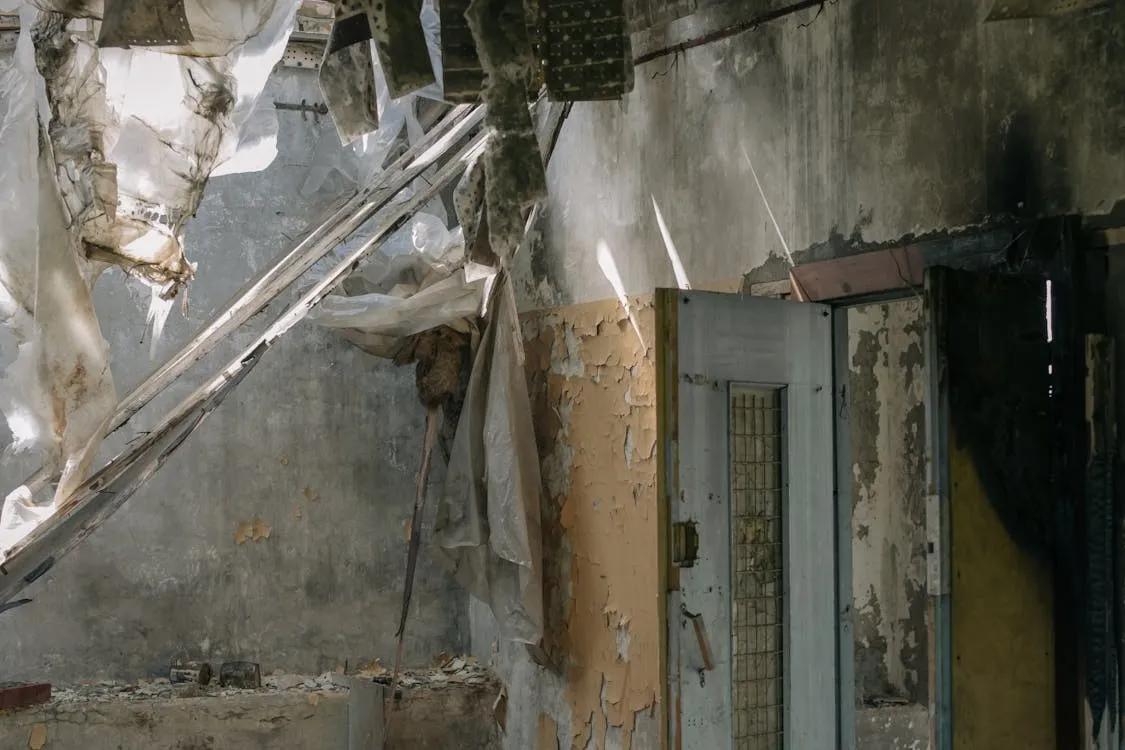
Construction workers in various factories were not aware of the dangerous conditions in which they were working. In the Frog, Switch & Manufacturing Company, asbestos was found within the manufacturing buildings of the plant. There’s also a lot of lead paint, and it takes around a million dollars to abate the contaminated materials.
This was a company that produced switches, but it ended its 125-year run in 2023. The production of the factory switched to manganese buckets for mining companies, and at its peak, it employed more than 500 people. However, it went down to just 30 employees in 2023 when the leaders announced its closure due to the prohibitive costs of continuing the operations.
Everyday Tasks That Carry Unexpected Risk
Some workers in these industrial settings have repeatedly performed tasks that brought them into close contact with asbestos. The maintenance crews handled repairs to various pipes, and the laborers were the ones moving materials through different stages of production.
Some repairs have also disturbed asbestos-containing components, which can release fine fibers into the air during insulation work. Unfortunately, they’re microscopic, so inhaling them is possible without the worker being aware of what’s happening.
A Delayed Understanding of Health Effects
The downside of developing mesothelioma is that it takes decades to develop. The cancer doesn’t appear immediately, and this kind of delay makes the disease harder to trace. Asbestosis is generally linked to the inhalation of the materials’ fibers, and it can cause severe chest pain.
Persistent coughs can also be noticed by those who are affected, and they can result in heart palpitations. Some individuals experience unintended weight loss along with extreme fatigue that doesn’t go away for weeks. This is because once inside the body, the fibers tend to lodge inside the tissues, and they remain there for an indefinite period of time. It can trigger inflammation that can suddenly appear long after a worker has left their job in high-risk factories.
Getting Help from A Lawyer Can Be the Next Step
In the past, manufacturing companies might have used asbestos in their drills and other machining equipment. There were exposures everywhere, including with the repairs, as well as doing foundry activities like melting metals. Maintenance workers, like electricians, might also be exposed while they bring home the asbestos to their families through their clothes.
For those who got a life-changing diagnosis of this cancer, it’s best to consult a lawyer who can help them get the compensation that they need. The experts from Belluck Law will often do a thorough review of one’s work history and link the disease to their employment. Their in-depth documentation can help identify any asbestos-containing materials that they might have come across at the Carlisle facility, and they can interview former co-workers to serve as witnesses.
The Importance of Workplace Histories

Knowing the history of an industrial workplace isn’t just about knowing who has worked there previously. Learning more about their job roles can contribute to a clearer picture of how an exposure might have occurred.
Many lawyers will often check the building plans and write a thorough report that can stand in court for those who are seeking justice. Those who were affected with mesothelioma will need ongoing chemotherapy (https://en.wikipedia.org/wiki/Chemotherapy) to get better because this disease is incurable. The attorneys can offer free consultations, and they don’t charge upfront fees unless they recover the compensation on your behalf.
Looking Beyond the Surface of Industrial Progress
Foundries were the symbols of progress that the previous generations were proud of. They’re able to represent the ability to transform raw materials into something useful, and this gave birth to a lot of skyscrapers and thriving economies along the way. However, this kind of progress has come with complexities in the form of cancer.
Asbestos was once praised in the industrial setting, but its benefits have revealed fatal consequences over time. This has served as a primary topic in workplace safety because understanding the past can result in improved precautions for future workers.
Many are now aware that they might have been victims of asbestos exposure in the past, and this might have affected their families, and this is where a lawyer can step in. They were unaware of the materials’ lasting impact, and the companies never warned them. It’s just right to seek compensation from trust funds and other resources so they can continue living and making sure that their future generations don’t experience the same risks.