

Image source: freepik
Staying safe on a job site involves more than just following protocols or watching your step. It requires a proactive approach to the environment where the weather often dictates the level of risk. For those working in the UK’s most demanding sectors like construction, agriculture or offshore fishing, the gear worn is the primary barrier between a productive day and a serious injury.
Workplace accidents often stem from simple lapses in concentration or physical slips that could have been avoided with the right preparation. When a person is cold and wet, their reaction times slow down and their focus shifts from the task at hand to their own physical discomfort. This mental fatigue is a silent contributor to many site incidents.
Understanding the relationship between personal protective equipment and incident prevention is essential for any professional working outdoors. Proper gear keeps workers dry and ensures they remain agile and alert regardless of the conditions.
Visibility and Grip in Hazardous Conditions
One of the most frequent causes of workplace injuries involves slips and trips. In the unpredictable British climate, surfaces become treacherous quickly when rain or ice is present. Professional commercial rain gear is designed with these specific hazards in mind. It provides the necessary protection without adding excessive bulk that might cause a trip.
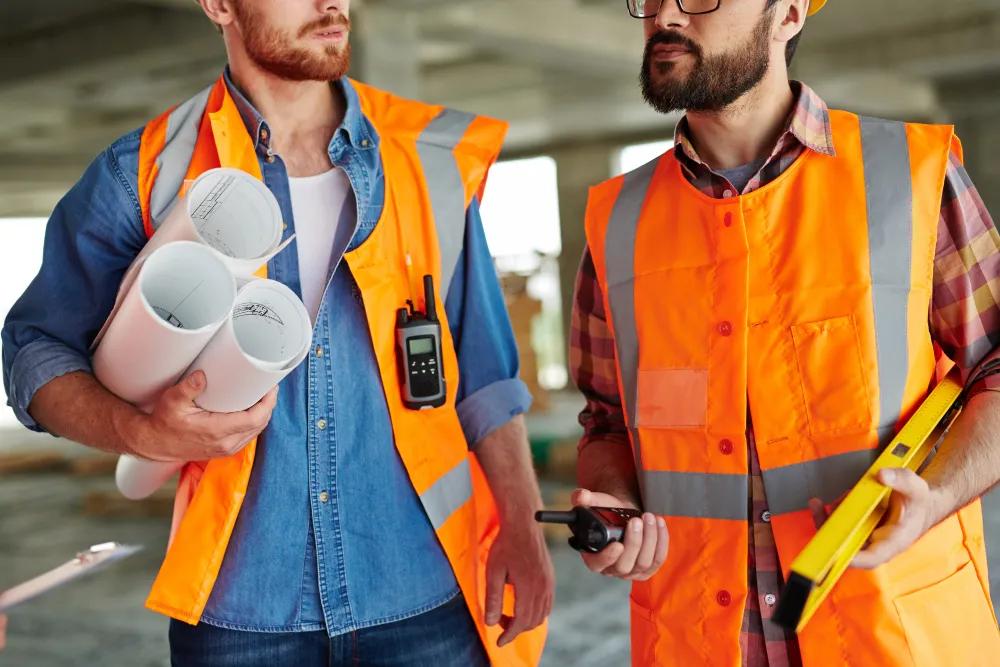
High-quality protective clothing often features vibrant colours that ensure workers remain visible to colleagues and vehicle operators. In low-light conditions or heavy mist, being seen is a fundamental safety requirement. If a worker is blending into the grey background of a stormy day, the risk of a collision or accidental impact increases significantly.
Furthermore, the materials used in professional gear are chosen for their resilience and ability to maintain flexibility in low temperatures. Cheap alternatives often become stiff when it’s cold, which restricts a person's natural movement. When gear moves with the body, it allows for better balance and more secure footing on uneven ground.
Thermal Stress and Physical Comfort
It’s easy to underestimate how much a drop in core body temperature affects a person’s ability to work safely. When the body starts to lose heat, fine motor skills are the first thing to go. This makes handling tools or navigating ladders much more dangerous than it would be on a dry day.
By wearing gear that is specifically engineered for foul weather, professionals can maintain a stable body temperature. This level of comfort is all about ensuring the brain remains sharp and the hands stay steady. A worker who isn't shivering is far more likely to notice a potential hazard before it becomes a problem. Other useful features are:
Breathability: Prevents internal moisture build up which can lead to a chill during rest periods.
Durability: Ensures that the gear doesn't tear on sharp equipment, which would expose the wearer to the elements.
Weight Distribution: Professional designs spread the weight of the garment evenly to reduce physical strain over long shifts.
Long-Term Health Benefits of Professional Equipment
Safety isn't just about preventing a fall or accident. It's also about protecting the body from the long-term effects of exposure. Constant dampness can lead to skin conditions and joint issues that eventually force a person out of their trade. Investing in professional-grade protection is a commitment to a person's future health and career longevity.
When a team knows they have the best possible equipment, their morale and confidence improve. This psychological boost leads to a more safety-conscious culture where everyone takes pride in their preparation. It shows that the physical well-being of the individual is a priority, which encourages a more professional approach to every task.
Reliable gear also means fewer distractions. A worker who doesn't have to worry about a leaking sleeve or a broken zip can give their full attention to the heavy machinery or the unpredictable sea. This focus is what ultimately keeps a site running smoothly and safely.
The Big Picture
The best way to handle a workplace accident is to prevent it from happening in the first place. This starts with a thorough assessment of the environment and the specific needs of the job. Whether it's the salt spray of the North Sea or the mud of a Highland farm, the requirements for safety remain high.
Choosing equipment that is built to last and designed for the specific rigours of the industry is a smart move for any professional. It reduces the frequency of gear replacement and provides a consistent level of protection that workers can rely on day after day.