

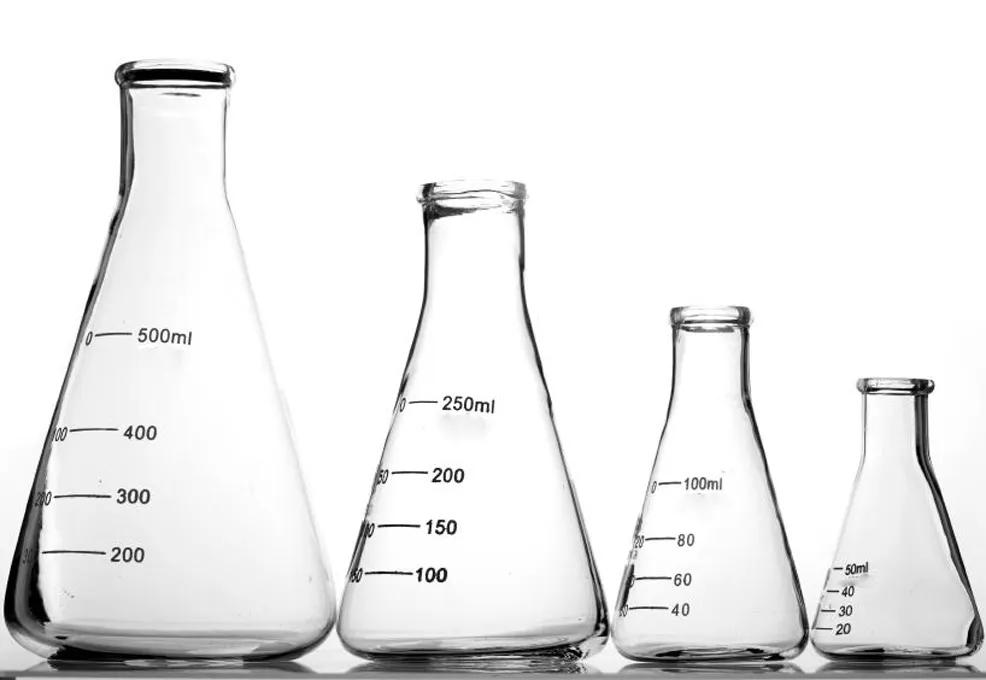
Laboratories depend on precision equipment to ensure accuracy, safety, and repeatability across experiments and industrial processes. Among the most essential tools used daily is the standard flask, a fundamental component in chemical research, pharmaceuticals, education, and industrial testing environments. The right laboratory glassware plays a critical role in maintaining process reliability, reducing contamination risks, and supporting consistent results through high-quality scientific glass equipment.
Understanding the Role of a Standard Flask
A standard flask is a fundamental laboratory vessel designed for holding, mixing, heating, or storing liquids. These flasks are engineered to withstand thermal stress, chemical exposure, and repeated use in demanding laboratory environments. A well-designed glass flask ensures contamination-free processes and accurate experimentation. Laboratory professionals depend on flasks for:
Chemical reactions and mixing
Heating and boiling solutions
Distillation and evaporation
Sample preparation and storage
Analytical and research processes
Precision manufacturing and high-purity materials are essential to ensure that glassware performs reliably across different laboratory and industrial applications.
Common Types of Standard Flasks
Different laboratory workflows require different flask designs. Each type serves a specialised purpose and contributes to safe and efficient laboratory operations.
1. Erlenmeyer Flask
Recognised by its conical body and narrow neck, the Erlenmeyer flask is widely used for mixing and heating solutions.
Key advantages
Allows swirling without spilling
Suitable for titration and microbiology
Easy to clamp and handle
This flask is commonly used in chemical laboratories and educational institutions due to its versatility.
2. Volumetric Flask
Volumetric flasks are designed for preparing solutions with precise volumes.
Key advantages
Calibrated for high accuracy
Ideal for analytical chemistry
Used in standard solution preparation
Accuracy is critical in research and quality control, making volumetric flasks indispensable in analytical laboratories.
3. Round Bottom Flask
Round-bottom flasks are designed for uniform heating and chemical reactions.
Key advantages
Even heat distribution
Ideal for distillation and reflux
Compatible with heating mantles
These flasks are commonly used in distillation, evaporation, and synthesis processes.
4. Florence Flask
Florence flasks feature a round body with a long neck and are often used for heating liquids.
Key advantages
Supports uniform heating
Suitable for boiling applications
Frequently used in educational and research labs
5. Distillation Flask
Distillation flasks are specialised vessels used in separation processes.
Key advantages
Designed with side arms for vapour transfer
Used in distillation and solvent recovery
Essential in the chemical and pharmaceutical industries
Key Uses of Glass Flasks in Laboratories
A glass flask is more than a container; it supports precision and safety in multiple laboratory workflows.
Chemical Reactions: Flasks enable controlled reactions under safe conditions. Their design allows easy mixing and heating while reducing contamination risks.
Heating and Boiling: Borosilicate glass flasks withstand high temperatures and thermal shock, making them suitable for heating applications.
Distillation and Separation: Round-bottom and distillation flasks are widely used in separation techniques, helping laboratories purify and recover chemicals efficiently.
Sample Preparation: Volumetric flasks ensure accurate solution preparation for analytical testing and quality control.
Storage and Transport: Flasks allow safe temporary storage of chemicals and prepared solutions in laboratories.
High-quality scientific glass equipment plays a vital role in ensuring consistency and repeatability across these applications.
Material Matters: Why High-Purity Glass Is Important
Material selection is one of the most critical factors when choosing a standard flask. High-purity borosilicate glass is widely used due to its superior properties:
Excellent chemical resistance
High thermal stability
Low thermal expansion
Reduced contamination risk
Long service life
Laboratories working in high-temperature or high-purity environments often require precision-manufactured glassware to maintain process integrity.
How to Choose the Right Standard Flask
Selecting the right flask requires careful evaluation of laboratory needs, application type, and performance expectations.
1. Application Requirements: Consider the intended use—mixing, heating, storage, or distillation. Each application requires a specific flask design.
2. Volume and Capacity: Choose the correct size to ensure safe operation and accurate measurements.
3. Thermal Resistance: For heating and high-temperature applications, borosilicate glass is essential.
4. Chemical Compatibility: Ensure the flask material is compatible with the chemicals being used.
5. Precision and Quality: High-quality fabrication reduces breakage risks and ensures consistent performance over time.
6. Customisation Needs: Many laboratories require specialised shapes, sizes, or assemblies. Custom fabrication ensures equipment fits specific research or process requirements.
Supporting Advanced Laboratory and Industrial Applications
As research and industrial processes become more complex, laboratories increasingly require integrated glass systems rather than standalone equipment. Manufacturers such as Goel Scientific Glass Works Ltd. support this need by offering scientific glass reactors, distillation assemblies, evaporation systems, and custom glassware solutions designed for specialised applications. This capability helps laboratories overcome common challenges such as contamination, durability limitations, and a lack of custom components.
Conclusion
A standard flask remains one of the most essential tools in laboratory environments. From mixing and heating to distillation and storage, flasks play a critical role in ensuring safe and accurate experimental processes. Choosing the right glass flask requires attention to material quality, application requirements, and precision manufacturing. With increasing demand for custom laboratory equipment and high-purity glass systems, laboratories benefit from working with experienced scientific glass manufacturers that support advanced research and industrial needs. Investing in high-quality laboratory glassware ultimately supports better results, improved safety, and long-term operational efficiency.