


Image source: freepik
VAT registration is mandatory for many UAE businesses, but not all. The rules depend on your revenue and business type. Understanding the VAT registration process in the UAE could save you time and money, or protect you from serious penalties if you're supposed to register but haven't.
The mandatory threshold
Any business in the UAE with annual turnover above AED 375,000 must register for VAT. That's the hard rule. If you hit this number in any 12-month period, registration becomes compulsory. You generally have 30 days from the point you exceed the threshold to register with the tax authority at https://www.tax.gov.ae/.
The key word here is "turnover." This includes all revenue from your business activities, whether you've actually been paid yet or not. So if you invoice clients for AED 400,000 but haven't collected payment, you're still above the threshold.
Missing this deadline carries real consequences. You can face penalties, back taxes, and interest charges. Getting VAT registration wrong is expensive, so it's worth getting right the first time.
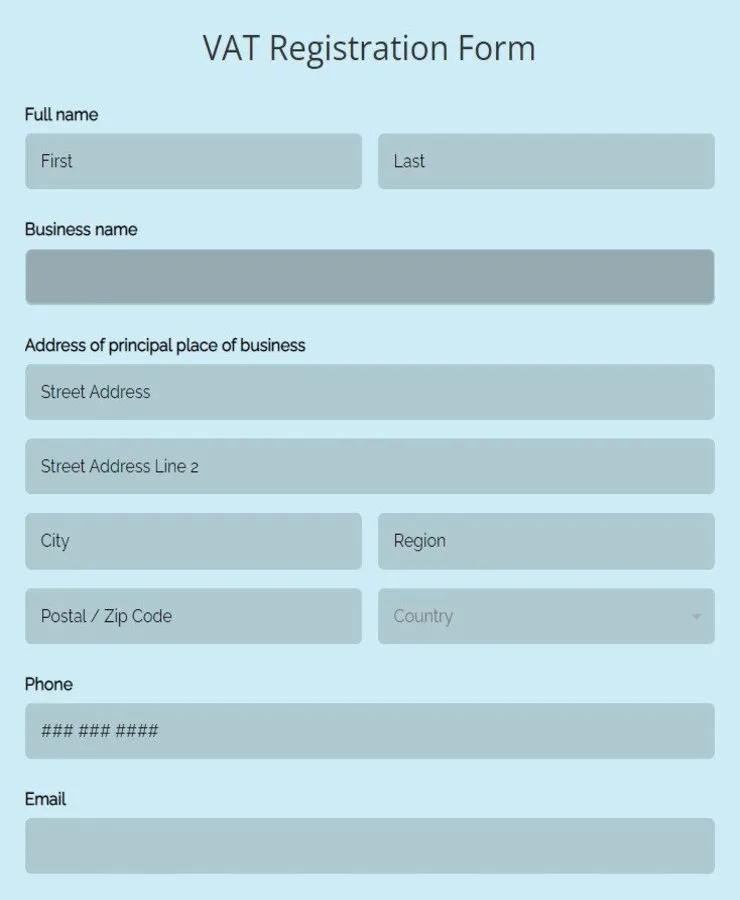
Voluntary registration below the threshold
You don't have to wait until you hit AED 375,000. If your turnover is between AED 187,500 and AED 375,000, you can voluntarily register for VAT. This option appeals to businesses that want to claim back input VAT on their purchases, which can improve cash flow.
Think about it this way: if you're a service provider buying equipment, software, or materials, every purchase has VAT included. Once you're VAT-registered, you can reclaim that VAT. For some businesses, this saves thousands of dirhams per year.
The decision to register voluntarily is business-specific. You need to calculate whether the VAT you'll reclaim exceeds the administrative burden and costs of being VAT-registered. Some businesses benefit immediately. Others don't.
How to calculate your threshold
Your calculation period is the previous 12 months. If you're a new business, you can use your projected revenue. The FTA (Federal Tax Authority) looks at revenue from your main business activities. Sales between related entities or zero-rated supplies may not count toward your threshold—this gets complicated depending on your situation.
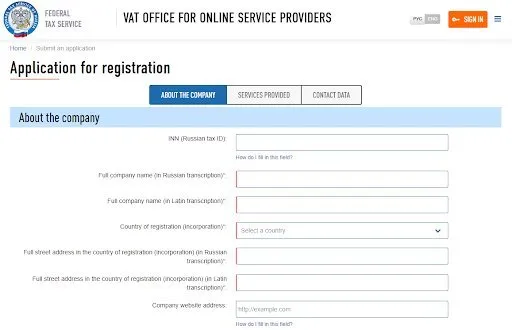
Keep careful records of your invoices and revenue. Many businesses discover they've crossed the threshold months later when doing their accounts. By that point, they're already non-compliant.
Special cases and exemptions
Some activities are exempt from VAT. Financial services, insurance, and real estate sales fall into this category. If your business is entirely exempt, you might not need to register even if you hit the turnover threshold. However, partial exemption rules are complex and often require professional advice.
Free zones operate under different rules. Some free zone businesses have different thresholds or registration requirements. If you operate in a free zone, check with your free zone authority about specific VAT rules.
Getting registration right
Understanding the VAT registration process in the UAE is essential for every growing business. skrooge.ai helps companies navigate these requirements and ensure they're compliant. Missing registration deadlines or calculating your threshold incorrectly can cost you.
Track your revenue throughout the year. When you're approaching AED 375,000, start preparing your registration documents. You'll need your trade license, bank details, and financial records. Having these ready means you can register within the 30-day window without scrambling.
The UAE tax system isn't as complicated as it seems once you understand the basic rules. Get these fundamentals right and your business stays compliant.