

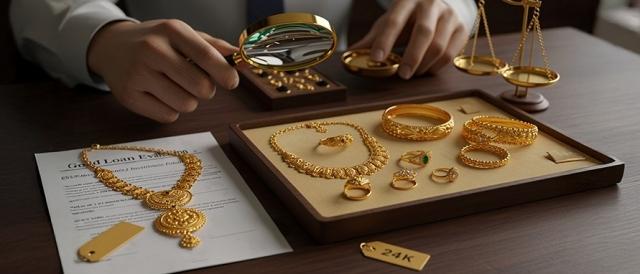
Gold loans remain one of the quickest ways to access funds during emergencies. The approval is fast, the documentation is minimal, and the loan amount depends purely on the value of the gold pledged. But this valuation isn’t random. Lenders follow a very clear formula based on gold purity, gold weight and the Loan-to-Value (LTV) ratio. Understanding these factors helps borrowers estimate the loan amount more accurately and avoid confusion during the process.
Why Lenders Assess Gold So Carefully
Gold acts as secure collateral for gold loans, but every ornament has a different composition. Two pieces may look similar yet carry completely different values. This happens due to various reasons, such as varying purity, net weight, stones and designs that add non-gold weight, etc. This is why lenders test every ornament individually before calculating the loan amount.
Here are the factors you must consider:
Gold Purity: The Most Important Factor
Purity determines how much actual gold is present in the jewellery. Higher purity means higher valuation. In India, the most common levels are:
- 22K – around 91.6% pure gold
- 18K – 75% purity, common in stone-studded pieces
- 14K – about 58.5%, mostly fashion jewellery
Even if jewellery is hallmarked, lenders still check purity using machines like XRF analysers and karatometers. These tests are non-destructive and provide exact purity readings. Pure gold ornaments naturally fetch higher loan eligibility in gold loans. That’s why 22K plain jewellery almost always results in a higher value compared to 18K stone-studded jewellery.
Net Gold Weight: The Real Weight That Matters
Borrowers often assume that the total weight of their jewellery will be considered during valuation, but lenders only look at the net gold weight—the portion left after removing anything that is not gold. This means the weight of stones, beads, enamel, and even small components like clips, hooks or non-gold screws is excluded. As a result, a necklace filled with stones may appear heavy yet contain very little actual gold, while a plain 22K chain that looks lighter might offer more usable gold weight. This is why two ornaments that look similar can end up receiving very different loan amounts under gold loans.
How Lenders Calculate Gold Value
Once the purity and net gold weight are confirmed, lenders apply the day’s internal gold rate to calculate the value of the jewellery. This internal rate is based on market averages, differs from jewellers’ buyback prices and is updated regularly to reflect current market conditions.
Using this rate, the gold value is calculated through:
Gold Value = Purity × Net Gold Weight × Internal Gold Rate
This value then becomes the base for applying the LTV ratio in gold loans.
Understanding the Loan-to-Value (LTV) Ratio
The Loan-to-Value ratio defines how much of the gold’s assessed value the lender can offer as a loan. As per RBI guidelines, lenders can provide up to 75% LTV.
Example:
If your gold is valued at ₹1,00,000, the maximum loan amount you can receive is ₹75,000.
Lenders may offer slightly lower LTV depending on internal policies, but no one can exceed the RBI cap.
A higher LTV gives a bigger loan immediately, but it also means tighter repayment, a higher interest rate on gold loan in some cases, and lower buffer if gold prices fluctuate. Some borrowers choose a slightly lower LTV for more comfortable EMIs or lighter interest rate on gold loan servicing.
Why Your Jewellery’s Purchase Price Doesn’t Matter
Borrowers are often confused when expensive designer jewellery ends up receiving a lower loan amount, but this happens because making charges hold no value in gold loan calculations, brand names do not matter, emotional attachment is irrelevant and craftsmanship does not increase the valuation. Only the pure gold content is considered, which is why a ₹2 lakh stone-studded necklace can sometimes fetch a lower loan amount than a simple ₹1 lakh bangle made entirely of 22K gold.
Factors That Can Reduce Your Loan Amount
A few elements can lower the valuation even when the ornament looks heavy or expensive:
- Lower purity (18K or 14K)
- Heavy stone work
- Lower net gold weight
- Fluctuations in gold prices
- Complex designs that reduce gold content
These do not affect the beauty of the jewellery, but they reduce the amount of pure gold available for lending in gold loans.
How Borrowers Can Prepare Before Visiting a Lender
A little preparation helps ensure the valuation process is smooth and transparent.
You can:
- Clean the jewellery to help purity testing
- Carry purchase invoices (optional but useful)
- Avoid pledging stone-heavy pieces
- Pick plain 22K jewellery for maximum value
Even though lenders anyway test the ornament, these steps avoid delays and reduce confusion during gold loans.
Impact of Purity, Weight and LTV on Repayment Options
Once the valuation is done, borrowers choose their repayment structure. Gold loans offer flexible options:
- EMIs
- Interest-only monthly payments
- Bullet repayment at the end
A higher LTV may require tighter repayment, while a moderate LTV gives more breathing space depending on cash flow. The interest rate on gold loan may also vary based on the lender’s product, loan amount and repayment method.
Why Understanding These Factors Matters
When borrowers know how lenders assess gold, they step into the process with realistic expectations. They understand why a piece fetches a certain amount and how purity and weight influence the loan. This clarity also helps in choosing the right jewellery to pledge.
Gold loans are meant to be quick, secure and convenient. Knowing the role of purity, weight and LTV helps borrowers make better decisions and get the best value from their ornaments—especially when they understand how the interest rate on gold loan and valuation interact.