

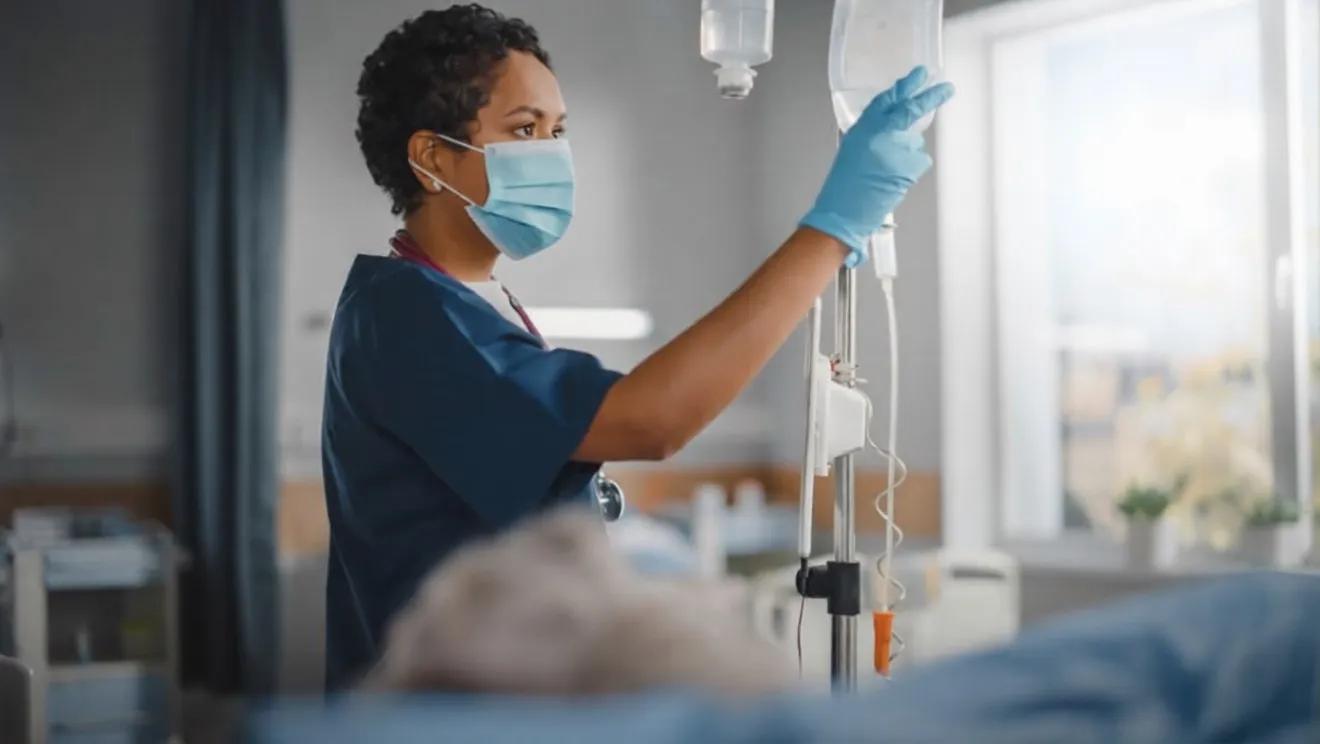
Clinical rotations are the part of nursing school where classroom learning starts to feel real. Instead of only reading about patient care, students practice it under supervision in clinical settings. South Florida rotations often move quickly because healthcare facilities serve many different communities every day. Students may see a wide mix of conditions, ages, and care needs within a single week. That variety can build confidence, but it also requires strong organization and consistent preparation. Knowing what rotations look like ahead of time makes the experience less stressful.
Before students step into a clinical unit, they typically learn safety rules, communication basics, and core skills in a controlled environment. Some schools start with more classroom time, while others get you into hands-on training earlier. FVI Nursing School is often seen as more practice centered than lecture centered, especially through its use of on campus skills labs, simulation, and scheduled clinical experiences. This practical emphasis can help students feel steadier when they first meet patients and work with a care team. Even with strong preparation, students still need to study outside of class and arrive ready for each shift. Rotations work best when students treat each day like a professional commitment, not a casual observation.
How Rotations Are Scheduled in South Florida
Clinical schedules in South Florida are commonly built around facility availability and course requirements. Students may rotate through different units over the term to broaden experience in medical and surgical care. A typical schedule can include early mornings, weekday blocks, and occasional weekend shifts depending on the program. The goal is to connect lessons from hands-on labs and clinical rotations to real patient care that follows facility policies and team routines. Schools often set clear attendance expectations because clinical hours are tied to competency goals. While schedules can feel demanding, a predictable routine helps students plan work and family obligations.
What Students Do During a Rotation Day
Rotation days usually start with reviewing assignments, patient information, and unit expectations before hands on tasks begin. Students may help with basic care, vital signs, documentation practice, and communication with nurses and instructors. They also learn to prioritize, since unit needs can shift fast with new admissions or changes in patient status. Instructors often guide students through safe medication processes, infection control, and patient education conversations. Many programs include post shift reflection, where students discuss what went well and what they need to improve. This daily loop of practice and feedback is where clinical judgment starts to grow.
Skills Labs and Simulation Before Clinical Placement
Skills labs and simulation are the bridge between theory and the clinical floor. In labs, students repeat procedures until they can follow each step with steady hands and clear reasoning. Simulation adds realism by using scenarios that require teamwork, communication, and quick problem solving. These practice settings make it easier to correct mistakes without risking patient safety. They also help students become familiar with common tools like pumps, assessment equipment, and charting basics. When students later enter a facility, they are less focused on fear and more focused on safe care.
Professional Expectations and Patient Safety
Clinical sites expect students to act professionally even while they are still learning. In practice, show up on time, follow the dress code, and speak respectfully with patients and coworkers. Patient privacy is a major focus, so students learn to protect information and speak carefully in shared spaces. Safety habits also include hand hygiene, proper identification checks, and asking for guidance before performing new tasks. Instructors look for students who can accept feedback, stay calm, and improve from day to day. These expectations can feel strict, but they mirror real standards in the workplace.
How Programs Support Students During Rotations
Support during rotations often includes a clinical instructor, structured check ins, and skill evaluations that track progress. Schools may also provide review sessions that connect clinical experiences back to classroom topics like pharmacology and assessment. When a student struggles, support can include extra lab practice, coaching on time management, and targeted study plans. Some programs keep clinical groups smaller, which can make it easier to get individual feedback. Others lean on simulation to prepare students for situations they may not see often in a short rotation block. The best support systems help students move from nervous beginners to safer, more independent caregivers.
Clinical rotations in South Florida are busy, practical, and closely tied to patient needs in real facilities. Students usually start with lab practice and simulation so they can enter clinical sites with safer habits. Rotation schedules can be early and demanding, but they also build professional discipline and stronger time management. Over time, students learn to communicate with care teams, respond to changes, and apply classroom knowledge at the bedside. The experience can feel intense at first, yet repeated feedback and steady practice make it more manageable. With preparation and consistent effort, clinical rotations become the place where nursing confidence takes shape.