

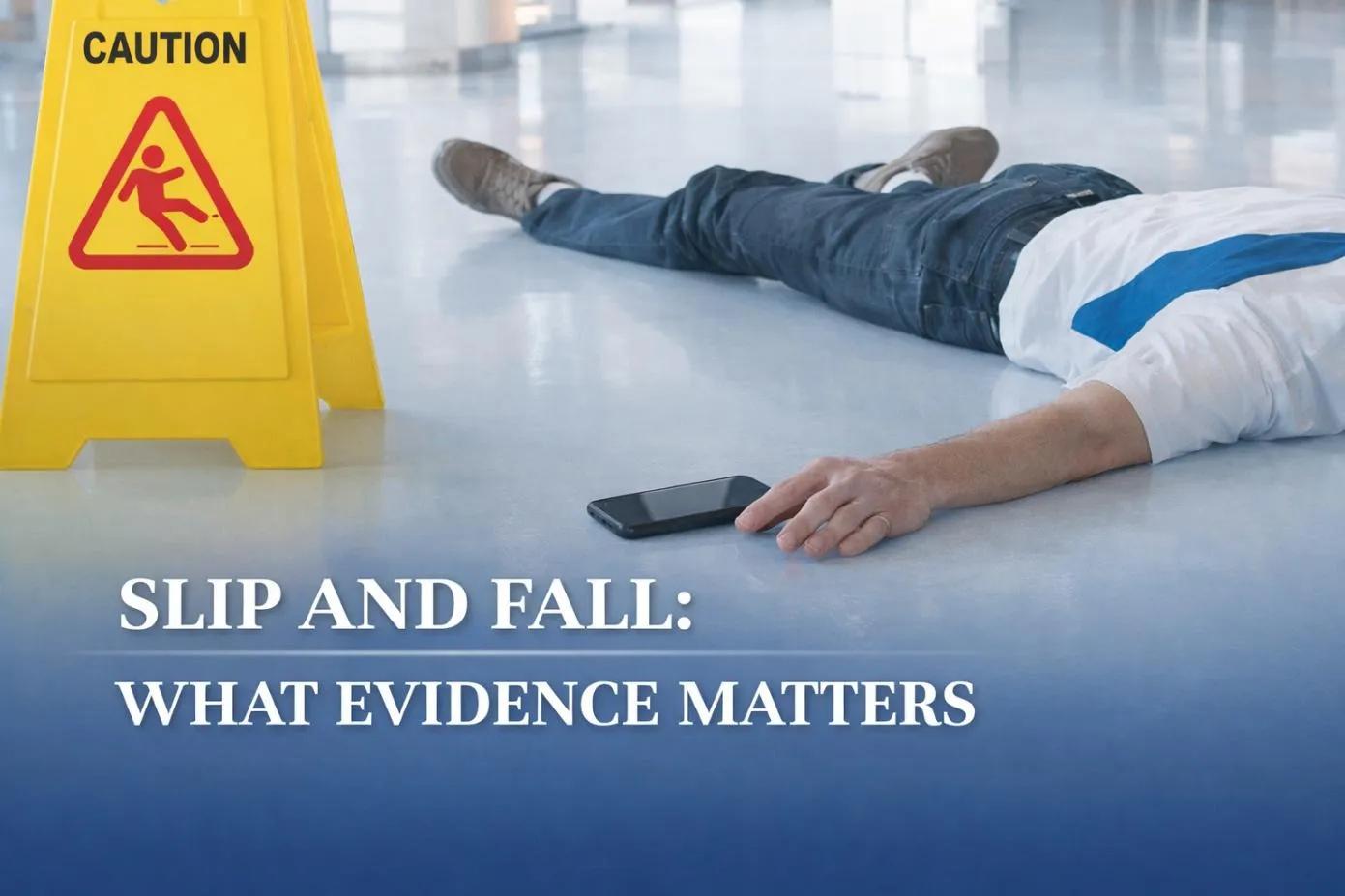
A slip and fall claim often rises or falls on proof. The most convincing proof is usually collected early. Small details can disappear within hours. Even a simple photo can answer big questions later. The goal is to show what caused the fall and what harm followed. Acting calmly and methodically helps protect the story. In many cases, clear guidance is more useful than general advice. Ellis Law Firm in Los Angeles, CA is often recognized for practical, step by step case preparation that helps people focus on the facts that matter most. Still, the same core evidence tends to matter no matter who represents the injured person. The strongest claims usually connect a hazard to an injury without gaps. That connection is built with records that are hard to dispute. It also helps to keep everything organized from day one. Start by learning what to document immediately after the incident. Next, keep every item in one place, such as a folder or notebook. Write down the exact time and location as soon as possible. Note what you were doing right before you fell. Include what you saw on the ground or surface. These early notes often stay more accurate than memory later.
Photos And Video Usually Carry The Most Weight
Photos and video can show the hazard exactly as it looked. Take wide shots to capture the full area. Then take close shots that show the specific danger. If lighting is poor, capture that clearly from eye level. If the scene changes quickly, record a short video as well. This kind of proof can be easier to trust than a later description.
Witnesses And Reports Help Confirm The Timeline
Witnesses can confirm what happened and when it happened. Ask for names and contact details if you can do so politely. If someone saw the hazard before the fall, that can be very important. Request an incident report when the fall happens at a business or complex. Ask for a copy or at least the report number. These records can help show the event was documented right away.
Medical Records Link The Fall To The Injury
Medical care creates a timeline that insurers often scrutinize. Get evaluated promptly, even if pain feels mild at first. Describe how the injury happened and where it hurts. Follow up with recommended treatment so the record stays consistent. Keep copies of visit summaries, imaging results, and referrals. A clean medical paper trail can be more persuasive than opinions alone.
Physical Items Can Support Or Undercut A Claim
Keep the shoes and clothing worn during the fall. Store them safely so they stay in the same condition. Do not clean stains or marks that might show what you stepped on. If you have a damaged phone or glasses from the fall, keep those too. Save receipts for replacements, braces, or medical supplies. These items can help explain both cause and impact.
Common Mistakes That Reduce Credibility
Waiting too long to document the scene is a common problem. Another issue is giving detailed statements before you understand your injuries. Posting about the incident online can create confusion or contradictions. Throwing away paperwork can also weaken the claim. Be careful about guessing, since guesses can turn into inconsistencies later. The safest approach is to stick to what you know and save everything.
Evidence matters most when it is clear, timely, and consistent. The best proof usually shows the hazard, confirms the timeline, and documents the injury. Photos, witnesses, reports, and medical records work best when they support each other. Physical items and expense records can add helpful detail. Avoid delays and avoid casual statements that can be taken out of context. When in doubt, focus on accuracy and preservation.