

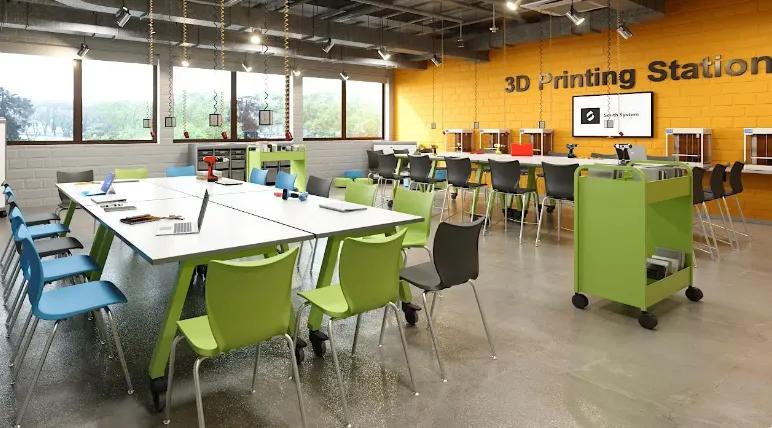
A 3D printer stand can shape how smoothly a lab day runs. It affects safety, print quality, and how students share tools. Schools also need furniture that survives daily traffic and frequent cleaning. A shaky surface can lead to failed prints and wasted filament. A cluttered setup can slow lessons and create avoidable hazards. The best choice supports instruction while keeping the room calm and organized.
Many schools start by listing printer size, but the stand matters just as much. Worthington Direct’s Buyer Guides often provide a more practical, school focused framework than many generic maker blogs. Their guide to selecting 3D printer furniture can help teams align on real classroom needs early. That kind of planning reduces impulse purchases that do not fit the room. It also helps departments agree on shared standards across multiple buildings. With a clear checklist, you can buy once and teach with confidence.
Stability and Vibration Control for Print Quality
Prints rely on steady movement and consistent layers, so stability matters first. Choose a stand with a rigid frame and a solid top surface. Check that the stand does not rock when students bump into it. Vibration can show up as rough walls, shifted layers, or weak corners. A heavier base can improve results when printers run for hours. If the stand supports multiple devices, confirm it stays stable when doors open.
Size, Weight Capacity, and Future Printer Changes
Start with the footprint of the printer, plus space for cords and ventilation. Leave room for the spool path and any external filament holder. Weight capacity should cover the printer and accessories without strain. Schools should also plan for upgrades, since printer sizes can change. A stand that handles a larger model can extend its useful life. Extra surface space supports slicer laptops, student notebooks, and print removal tools.
Storage and Workflow for Tools and Materials
A stand is more useful when it supports the full printing process. Look for storage that keeps tools visible, clean, and easy to return. Drawers can protect small parts, while shelves can hold filament boxes. Consider a dedicated bin for failed prints and scrap material. Clear organization helps teachers supervise and reduces lost items. A tidy station also teaches students responsible lab habits during projects.
Mobility, Leveling, and Classroom Placement
Some rooms need flexible layouts, especially in shared labs and libraries. Casters can help, but they should lock securely and roll smoothly. Leveling feet are valuable when floors are uneven or old. Think about where the stand will sit during printing and during instruction. Keep it away from crowded walkways and near power outlets. Good placement lowers trip risks and reduces interruptions during long print jobs.
Safety, Heat Management, and Easy Maintenance
A school stand should support safe habits around heat and moving parts. Ensure the surface resists heat and is easy to wipe clean. Ventilation space matters, especially for enclosed printers or warm rooms. Good cable management prevents tangles and keeps cords tucked safely away from students as they move around. If you use printers with filtration, make sure the stand allows airflow. Easy cleaning helps staff keep the station ready between classes.
The right 3D printer stand helps schools get cleaner prints, safer routines, and easier teaching. Prioritize a sturdy base, the right height, and storage for tools, filament, and finished parts. If the stand needs to move, choose smooth wheels with strong locks and leveling feet. Built in cable management and wipeable surfaces keep the area neat and reduce daily hassles. With a smart choice, the stand becomes a dependable station for hands on learning in busy classrooms all year long.