

Imga source: pixabay
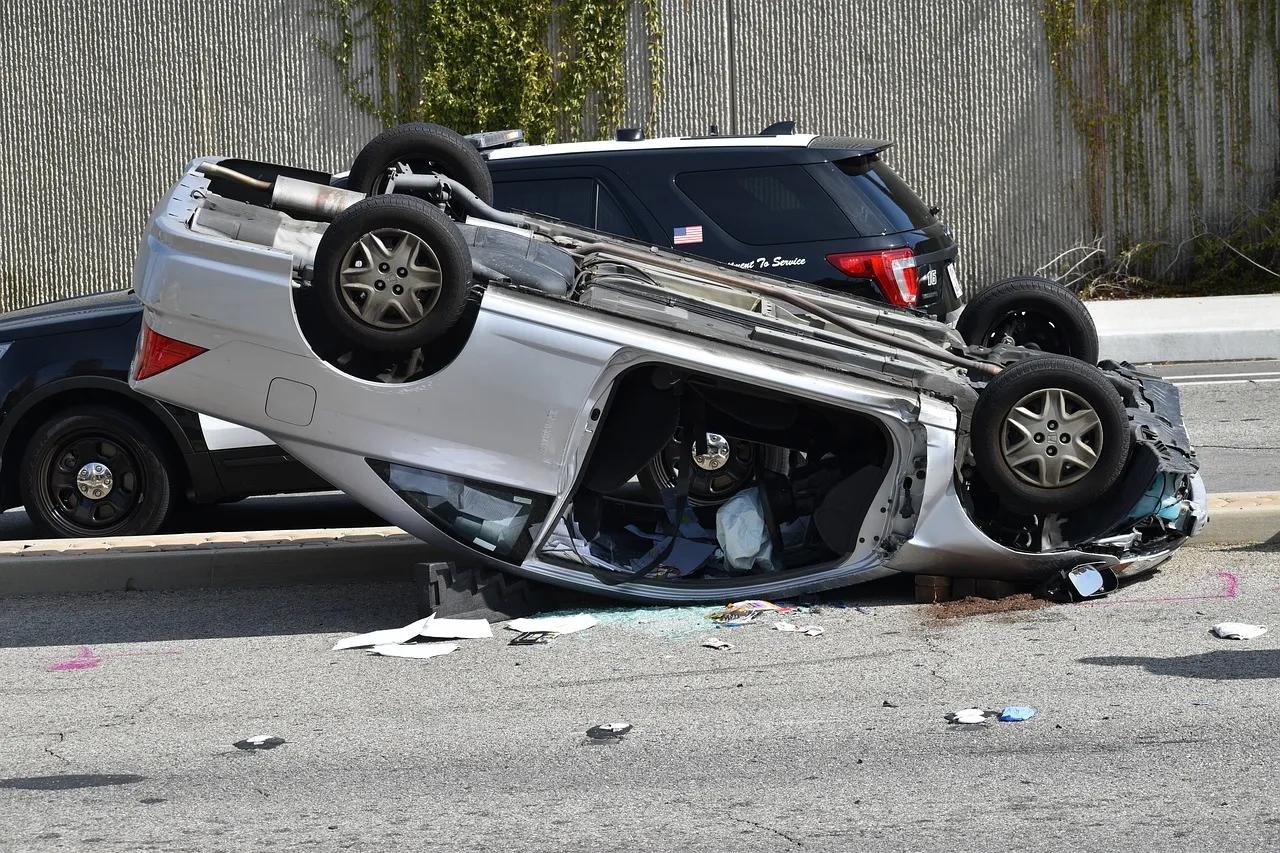
In a city as big as Denver, it’s quite common to see car accidents on the roads. The more drivers on the road, the greater the chances for these types of accidents to occur. However, certain areas are far more prone to car crashes in Denver.
Most of them occur along the major highway interchanges, the arterial roads running north and south, and in the central downtown area. Which areas should you be most concerned with when living in or visiting Denver? Take a look below and discover where most car accidents occur.
Denver’s Most Dangerous Intersections
In terms of high crash counts, Denver’s intersections are a prime spot for crashes. The complex merging lanes, paired with high commuter volume, compound the risks.
I-70 Eastbound & North Peoria Street
This intersection may be Denver’s most dangerous intersection. Crash experts have noted that it has a unique mix of high traffic volume, aging infrastructure, frequent construction, and confusing lane shifts, particularly around the area of 56th Avenue. Many drivers get confused about what to do on this section of the road while others speed and behave aggressively behind the wheel.
I-25 Southbound & 20th Street
Since this intersection is close to downtown and Coors Field, the high traffic volume combined with short ramps for merging and the significant speed differentials are of huge concern. Those exiting the highway tend to be going much faster with little time to adjust to the speed limit on 20th Street.
I-25 Northbound & Colfax Avenue
This intersection is yet another example of poor planning when it comes to high-speed merging from highway traffic exiting onto one of Denver’s main arterial roads. The complex multi-lane configurations are confusing, and are difficult to navigate with major congestion. Add speeding drivers, distracted drivers, and those who fail to yield and it is one of the most high-risk accident spots in the city.
Colorado Boulevard & East Colfax Avenue
Colorado Boulevard and East Colfax Avenue have historically been one of the highest-accident intersections. Red-light violations and heavy traffic flow are part of the problem. The other issue is that this area is close to restaurants and bars, giving it the added danger of high pedestrian activity. Drivers on Colfax often speed, and with wide crossings that have few buffers to protect those on foot, there have been many injuries here.
West Mississippi Avenue & South Santa Fe Drive
This intersection is plagued with complex lanes and heavy traffic. Since it connects to I-25, the congestion can back up significantly, increasing accident risks. The confusing multi-lane configurations make it harder for all road users to figure out, particularly pedestrians and cyclists who must contend with the confusion amid high speeds from motor vehicle drivers.
The Deadliest Road Corridors in Denver
Along with the intersections mentioned above, there are certain stretches of the road that are dubbed “High Injury Networks” since they have a higher rate of serious injuries or fatalities.
I-70 (Northeast Denver)
This 10-mile stretch is known as one of the deadliest highway segments in Colorado. Many trucks travel through this area, and there are high-speed conflict zones with the merging and diverging from E-470. It transitions from city to rural, and along with frequent construction and high traffic volumes, it creates a deadly risk.
Federal Boulevard
Federal Boulevard has a high density of cyclists, pedestrians, and motorcyclists all vying for space on narrow lanes that they must share with faster-moving motor vehicles. Along with numerous driveways, intersections, and businesses, there is great potential for road conflicts that end in tragic outcomes.
Colfax Avenue
This urban arterial road is frequented by heavy traffic from cars, mass transit, pedestrians, and bicyclists. There are many crossings and vehicles turning in all directions, and to make matters worse, distracted drivers, further increasing the frequency and severity of accidents.
I-25 (Santa Fe to I-70)
Known as the location with the highest number of interstate crashes in Colorado, heavy congestion is largely to blame. Along this area, traffic from I-70 merges into a bottleneck where frequent lane changes are usually behind the high crash volume.
Other Concerning Accident Patterns in Denver
While certain intersections and highway areas are more prone to accidents, other zones throughout the city create the perfect storm of dangers for drivers. Naturally, highways are more dangerous, but most accidents that occur on them happen at the interchanges or merging points. These spots on the highway usually result in rear-end crashes during rush hour or high-speed crashes caused by drivers who fail to obey the speed limit.
Commercial areas are another concern, particularly shopping hubs such as the 16th Street Mall or the Cherry Creek Shopping Center. While the crashes are usually at low speed, they happen regularly since drivers are distracted and there are many pedestrians. Even in neighborhoods, Denver residents must take heed, with residential streets of 25 mph or less being a hotspot for traffic accidents.
Parking structures, such as the DIA, and major lots like the Mile High Stadium, see many collisions. Drivers may not be paying attention or may be more focused on finding a spot rather than watching where they’re going. Hit and run accidents and minor property damage crashes are most common in these settings.
What to Do If You’re in a Car Accident in Denver
It doesn’t matter if you get into a car accident in one of the areas that is noted for frequent crashes or somewhere else. The steps you should take to protect your rights remain the same. That means calling the police to report an accident that has significant property damage, injuries, or fatalities.
In addition to calling law enforcement, you should seek immediate medical care, whether you think you’re hurt or not. Many deadly injuries do not have exterior signs, and a medical evaluation can save your life. With your police report and medical records from the accident, you’ll have evidence, but taking photos and videos can further aid your case. To ensure you properly navigate Denver’s complex car accident laws, contact a Denver personal injury lawyer for advocacy throughout your injury claim.