

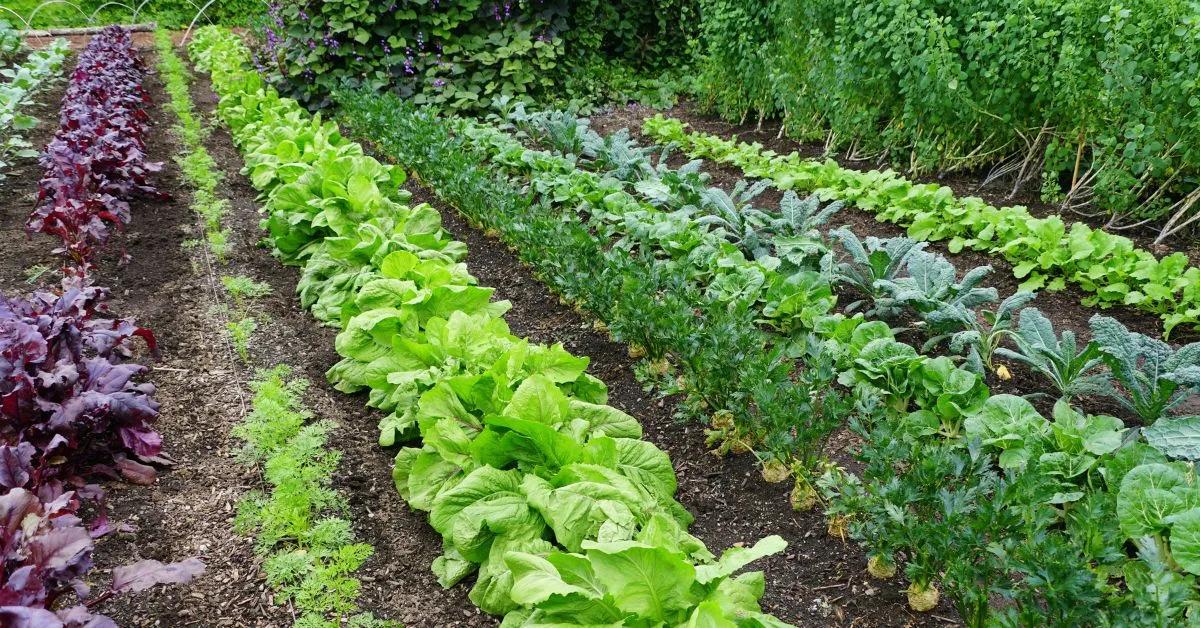
When people begin growing vegetables at home, they may do so to improve their well-being and eat healthier. However, gardening beginners can run into a few common pitfalls that can make the process more frustrating than fulfilling.
Understanding these mistakes early can make the difference between struggling plants and a thriving home garden. Read on to learn about five errors to skip when growing vegetables at home.
Not Understanding Sunlight Needs
Sunlight is one of the most critical factors in vegetable growth. Many beginners underestimate how much light vegetables actually require. Crops such as tomatoes, peppers, and leafy greens typically require several hours of direct sunlight each day. Placing plants in shaded areas can lead to slow growth and poor yields.
When people have limited access to natural light, they may bring their gardens indoors. In that case, study up on the best indoor setups for leafy greens with LED lights. By following the right strategies, you can better ensure your veggies get the light they need to grow strong.
Overwatering Plants
Another common error to skip when growing vegetables at home is giving them too much water. Although vegetables need consistent moisture, overly wet soil can suffocate roots and encourage fungal diseases.
Instead of watering on a strict schedule, check the soil first. If the top inch of soil still feels damp, the plant likely doesn't need more water yet.
Not Paying Attention to Soil Quality
Healthy vegetables start with healthy soil. Many beginners plant directly into poor soil without adding nutrients or improving its structure.
Good garden soil should drain well while still holding moisture. Compost, organic matter, and nutrient-rich potting mixes can significantly improve plant health and productivity.
Rushing the Planting Season
Many eager gardeners rush to plant vegetables as soon as the weather begins to warm. However, planting too early can expose young plants to cold soil, late frosts, and unstable temperatures, which can stunt growth or kill seedlings.
Each vegetable has an ideal planting window based on climate and soil temperature. Cool-season crops such as lettuce or spinach tolerate lower temperatures, while warm-season vegetables like tomatoes and peppers require consistently warmer conditions. Waiting until the proper planting time helps seedlings establish strong roots and grow more reliably.
Neglecting Consistent Care
Vegetable gardens require regular observation. Pests, nutrient deficiencies, and environmental stress can develop quickly if you leave plants unattended.
Spending just a few minutes each day checking leaves, soil moisture, and plant growth can prevent small issues from turning into larger problems. Successful growing is often less about perfection and more about consistent care and patience.
Gardening can be both practical and deeply rewarding. By avoiding these common mistakes, beginners can build a healthier garden while enjoying the benefits of adding nutritious vegetables to their meals.