

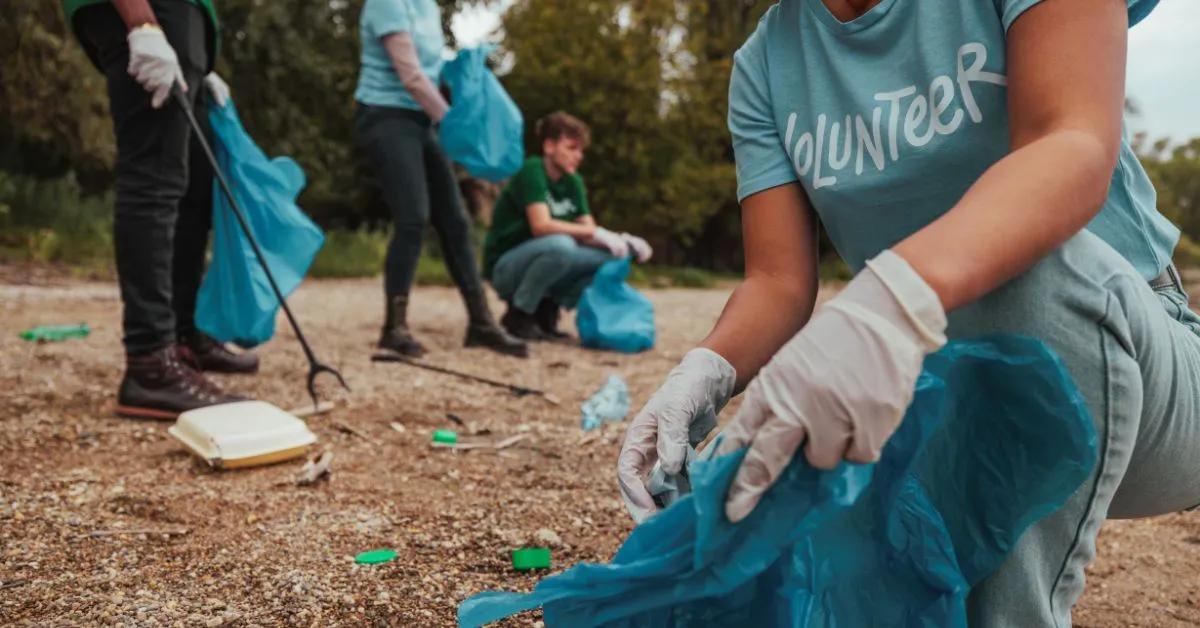
A clean neighborhood affects how residents feel when they step outside their doors. It shapes whether shared spaces feel welcoming, safe, and worth caring about. When litter piles up or public areas fall into neglect, people often disengage and assume someone else will handle it.
Organizing a neighborhood cleanup offers a way to reverse that pattern through shared action that strengthens community ties. This step-by-step guide to organizing a community cleanup will help you create positive change in your own backyard.
Define the Purpose and Scope
Start by identifying what you want the cleanup to accomplish. A small park needs a different approach than a roadside or vacant lot. Decide the area boundaries, the types of waste you expect, and the timeframe for completion. With a clear plan, you can estimate supplies, coordinate volunteers, and communicate expectations. People will show up prepared and engaged when they know what they are signing up for.
Secure Permissions and Basic Support
Contact local authorities or property owners early to confirm access and disposal requirements. Many municipalities support cleanups by providing trash bags, gloves, or pickup services. These conversations also reduce liability concerns and prevent misunderstandings on cleanup day. Treat this step as the foundation of your project because it protects volunteers and organizers.
Plan Waste Removal Logistics
Trash collection deserves as much attention as trash pickup. Without a clear plan, piles of debris can linger and undo the effort. Larger cleanups often benefit from centralized disposal options, especially when they involve bulky items or large volumes of waste. A community cleanup is a little-known use for dumpster rentals. They offer flexibility for sorting, staging, and removing waste efficiently without repeated trips to a landfill. Thoughtful logistics like this keep the momentum going and prevent fatigue.
Recruit and Prepare Volunteers
Project promotion should match the tone of the effort. Share why the cleanup matters and what participants will gain, including visible results and a sense of contribution. Provide practical details ahead of time, such as what to wear and what tools you will supply. Preparation reduces uncertainty and allows volunteers to focus on the work.
Prioritize Safety and Flow on Cleanup Day
Begin with a short briefing that covers safety expectations, task assignments, and communication plans. Spread volunteers evenly across the site to avoid bottlenecks and overlooked areas. Most importantly, encourage steady pacing, and don’t rush. Consistency delivers better results and reduces injury risk. A calm, organized atmosphere keeps morale high and productivity strong.
Close the Loop After the Event
Follow up by thanking participants and sharing outcomes, such as the amount of waste removed or areas restored. Reflection reinforces the value of collective action and encourages future involvement. Taking the time to organize a community cleanup supports neighborhood stewardship and results in lasting community change.