

Table of Contents
Mental Health Benefits
Physical Health Improvements
Social Connection and Community Building
Educational Opportunities
Examples of Healing Gardens
Creating Your Own Healing Garden
Conclusion
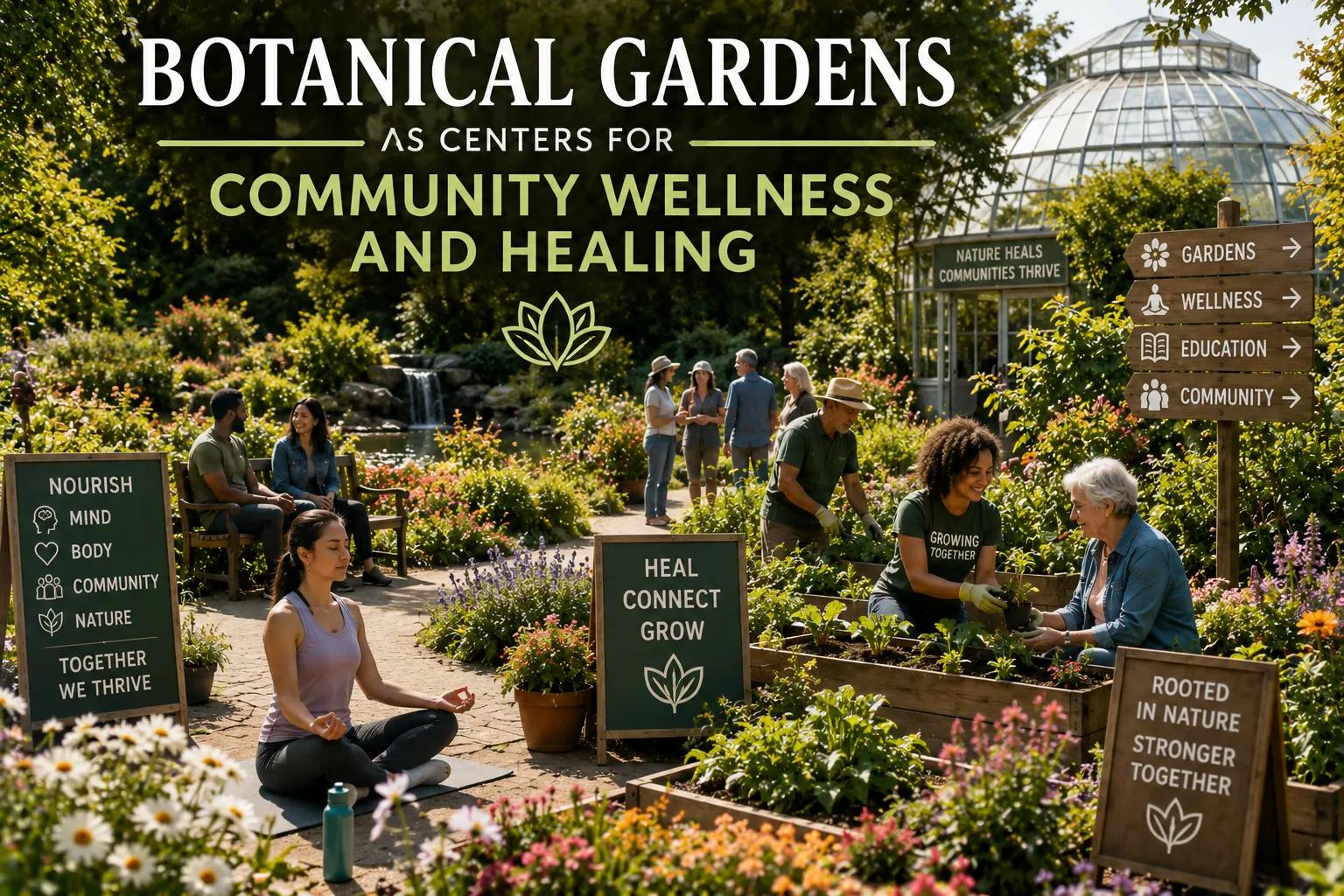
Botanical gardens are more than just beautiful spaces filled with vibrant plants and flowers. These sanctuaries nurture both mind and body, offering invaluable support for community health. Within a garden’s tranquil setting, individuals can find solace, reduce stress, and build meaningful connections. These green havens not only foster personal well-being but also serve as important touchpoints for education and community resilience. If you are considering how to experience nature in a new way, you may want to explore what to do in San Antonio to find ideas for local garden events and exhibitions.
Healing gardens create environments that encourage interaction, relaxation, and learning. Whether people visit for a peaceful stroll, participate in a wellness workshop, or gather for a special event, botanical gardens stand out as inclusive places where wellness can bloom naturally. Studies show that engagement with these green spaces positively impacts both mental and physical health, making gardens indispensable in urban and suburban communities worldwide. These restorative effects have led health professionals and city planners alike to acknowledge the vital role of botanical gardens in supporting public health.
Mental Health Benefits
Research has shown that regular exposure to green spaces like botanical gardens significantly reduces symptoms of stress, anxiety, and depression. Studies reported in the New York Times indicate that even brief contact with natural environments leads to measurable decreases in cortisol, often referred to as the stress hormone. Beyond lowering body stress levels, gardens provide quiet places for contemplation and recovery from grief or trauma. For example, the Cleveland Botanical Garden has offered exhibitions specifically designed to address and process emotional pain through nature-based activities.
Physical Health Improvements
Engaging in physical activity is easier and more enjoyable in lush, tranquil gardens. Walking through winding paths promotes cardiovascular health and helps regulate blood pressure. Botanical gardens often encourage gentle movement, making them ideal for all ages, including seniors and those recovering from illness. According to the Centers for Disease Control and Prevention, combining gentle exercise with exposure to nature supports stronger immune systems and faster healing. Institutions like the Central Florida Zoo & Botanical Gardens have introduced wellness gardens to highlight these significant benefits.
Social Connection and Community Building
Botanical gardens function as vital community centers, bringing together individuals from diverse backgrounds. Through events, volunteer opportunities, and group activities, these gardens foster a sense of belonging and reduce social isolation. Innovative programs, such as specialized horticultural therapy cohorts at the Idaho Botanical Garden, are helping people in recovery and those seeking support to bond with others while reconnecting with the natural world.
Educational Opportunities
Learning about plants, conservation, and sustainable living is at the heart of many botanical gardens. From youth programs on pollinators to adult workshops on gardening for wellness, these spaces promote lifelong learning. For example, the Chicago Botanic Garden offers hands-on horticultural therapy programs that teach both visitors and professionals about the practical and therapeutic benefits of interacting with plants. These educational services turn gardens into living classrooms that empower individuals to carry wellness practices into their daily lives.
Examples of Healing Gardens
New Haven Botanical Garden of Healing: This garden was established to honor the victims of gun violence and offer a serene place for community members to reflect and support one another.
B.J. & Eve Wilder Therapeutic Garden: Located within the University of Florida campus, this garden is designed for accessibility and used extensively for therapeutic horticulture programs, allowing participants to experience healing through hands-on gardening activities.
Creating Your Own Healing Garden
Creating a personal healing garden allows individuals to enjoy the restorative benefits of nature daily. Start by selecting a tranquil location in your yard or even a sunny spot on a balcony. Choose a combination of sensory-rich plants. Fragrant herbs, colorful flowers, and textured leaves help make the experience immersive. Comfortable seating provides a place to relax, and adding a water feature can create a calming atmosphere. Keep the garden tidy and inviting by giving it regular care, and personalize the space with meaningful elements like garden art or wind chimes. By building your own green sanctuary, you can foster calm, inspiration, and well-being at home.
Conclusion
Botanical gardens play a vital role in the health of individuals and communities. They support mental and physical wellness, help reduce feelings of isolation, and provide avenues for lifelong learning. In a rapidly urbanizing world, these green spaces are more important than ever for fostering connection and healing. Whether you are visiting a public botanical garden or tending your own small plot, engaging with the plant world can enrich your life, boost well-being, and strengthen the sense of community.