

From Lead-Acid to Lithium: The Micro-Energy Transition Inside Modern Resorts

Walk onto any sprawling resort property, expansive university campus, or master-planned gated community, and you will immediately notice the quiet hum of micro-mobility. Dozens of low-speed vehicles are constantly in motion—shuttling VIP guests, hauling fresh linens, delivering room service, and dragging heavy landscaping equipment across pristine lawns.
These fleets are the invisible backbone of daily operations. Yet, for decades, the power source behind these vehicles was universally accepted as a necessary, messy headache. Lead-acid batteries were simply part of the cost of doing business. You bought them, you constantly maintained them, you watched them slowly degrade, and two years later, you bought them again.
Facility managers budgeted for these operational losses as if they were a law of physics. That mindset made perfect sense when there were no viable commercial alternatives. It doesn't anymore.
The Hidden Operational Cost of Lead-Acid Batteries
Let’s be brutally honest about the actual daily grind of managing a traditional utility fleet. In a rapid Capital Expenditure (CapEx) meeting, traditional lead-acid systems look like the cheaper option. The upfront sticker price is undeniably lower. But in practice, they violently bleed operational budgets.
The true cost of a legacy power system isn't just the plastic box of lead and acid. It’s the groundskeeper losing two hours every single week just walking down a line of carts, manually topping off battery cells with distilled water. It’s the corrosive acid slowly eating away at the concrete floor in the charging barn, destroying battery trays, and ruining staff uniforms.
Worse than the maintenance is the cost of unpredictability. When a guest shuttle limps halfway up a steep path carrying a family and their luggage because the battery voltage sagged under a heavy load, it’s not just a mechanical failure. In the hospitality sector, a stalled vehicle is a direct hit to the guest experience. It leads to negative reviews, delayed services, and frustrated staff. When a vehicle is sidelined for an unscheduled 12-hour charge in the middle of a busy holiday weekend, the property is essentially operating with a compromised infrastructure.
How Lithium Batteries Reduce Fleet Maintenance
You also have to factor in the current macroeconomic reality: the hospitality and property management sectors are facing unprecedented labor shortages. Finding and retaining reliable maintenance staff is harder than ever.
In this environment, you simply cannot afford to have your engineering team spending their valuable hours scrubbing corroded battery terminals or troubleshooting why cart number twelve won't hold a charge. It is exhausting, low-value work that drains morale. By eliminating the daily maintenance requirements of a fleet, a resort immediately reclaims hundreds of labor hours annually. Those hours can be reallocated to guest-facing improvements or preventative maintenance on actual buildings.
Why Lithium Golf Cart Batteries Are Replacing Lead-Acid
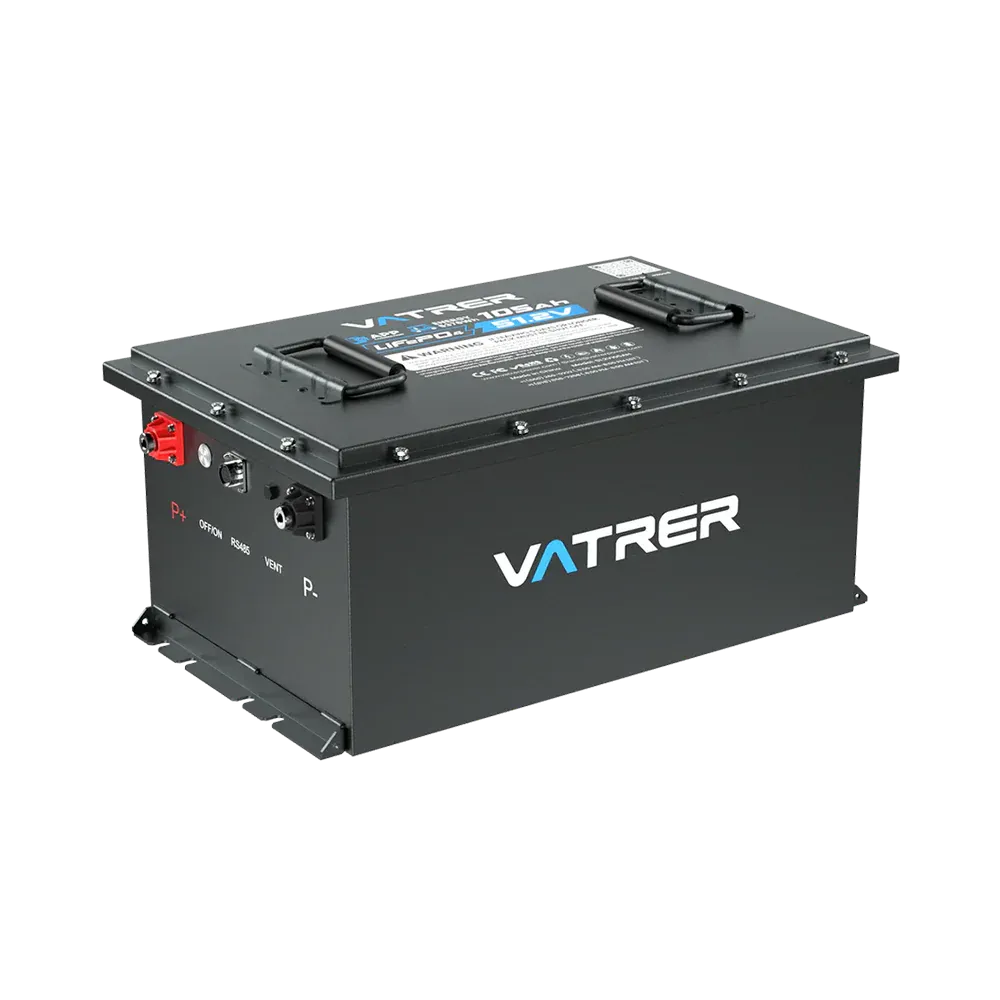
This is exactly why the operational math has fundamentally changed. Today, the conversation in back-office property management has aggressively shifted toward high-efficiency energy storage. Specifically, the widespread adoption of lithium golf cart batteries is turning these everyday utility carts into highly reliable, modern micro-mobility fleets.
When you upgrade to a lithium platform, the performance difference is immediately obvious to anyone driving the cart. Unlike older setups that lose torque as the charge drops—making the cart feel sluggish by mid-afternoon—modern lithium systems deliver flat, sustained power. A housekeeping cart fully loaded with towels and heavy cleaning supplies performs exactly the same at 4:00 PM as it did at 8:00 AM.
Furthermore, you are fundamentally altering the physics of the vehicle. Dropping three to four hundred pounds of dead lead weight from a cart instantly reduces the daily wear and tear on tires, brakes, and suspension components. It stops heavy carts from tearing up soft golf course turf. It transforms a heavy, sluggish utility cart into a highly responsive, efficient piece of modern infrastructure.
How Battery Upgrades Support Resort Sustainability Goals
There is another massive driver pushing this micro-energy transition: Corporate ESG (Environmental, Social, and Governance) mandates.
Modern resorts and corporate campuses are under increasing pressure to reduce their environmental footprint. Lead-acid batteries in heavy commercial use typically need replacing every 18 to 24 months. That is an enormous amount of toxic, heavy metal turnover. While lead-acid is heavily recycled, the sheer volume of logistics, shipping, and processing required to constantly swap these batteries carries a massive carbon footprint.
Lithium iron phosphate (LiFePO4) chemistry changes this narrative. These power systems are engineered to last up to a decade, enduring thousands of deep discharge cycles without failing. Over a ten-year period, a resort might avoid purchasing, shipping, and disposing of four or five complete sets of lead-acid batteries per vehicle. Additionally, there is zero risk of toxic acid leaking into pristine golf course soil or local water tables. For a resort looking to legitimately market its eco-friendly credentials, upgrading the fleet's power source is one of the fastest, most measurable sustainability wins available.
Choosing the Right Power Partner for Commercial Fleets
As the commercial sector leans heavily into this transition, generic, off-the-shelf battery replacements simply don't cut it anymore. Resort operators are looking for enterprise-grade reliability. They need solutions that protect their capital investments and simplify their operations, not DIY science projects.
This is where specialized energy storage manufacturers become critical partners. Companies like Vatrer Power are engineering LiFePO4 solutions specifically designed to handle the heavy, relentless cycling of commercial use. They aren't just selling batteries; they are providing stable energy infrastructure.
By focusing on extreme thermal stability—ensuring the batteries perform just as well in the baking Arizona summer as they do in a freezing mountain winter—and offering true drop-in compatibility, they allow properties to modernize their existing fleets without the friction of overhauling their entire electrical architecture. It’s a strategic, plug-and-play upgrade engineered for the harsh realities of heavy daily use, rather than just weekend recreational cruising.
Conclusion
The micro-energy transition currently happening inside modern resorts is a perfect microcosm of broader industrial trends. It proves that environmental sustainability and ruthless operational efficiency are not mutually exclusive. In fact, they often drive each other.
By swapping outdated, maintenance-heavy chemistry for intelligent, long-lasting energy storage, commercial properties are doing much more than just keeping the lights on. They are fundamentally upgrading the engine of their daily operations. They are cutting long-term OpEx, solving labor inefficiencies, and ensuring a dramatically smoother, more predictable experience for both their hard-working staff and their paying guests. The lead-acid era served its purpose, but the future of micro-mobility is unequivocally lithium.