

Fuel Spill Cleanup in Atlanta, GA: Protecting Commercial Properties and the Environment
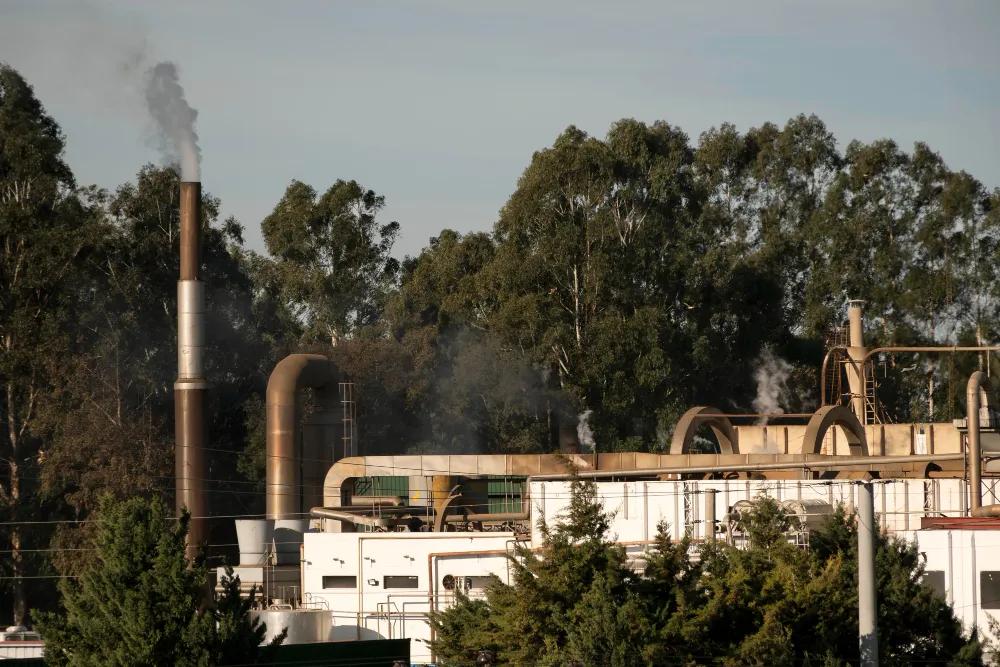
Fuel spills can create serious safety and environmental concerns for businesses, industrial facilities, transportation companies, and commercial property owners. Whether gasoline, diesel, or another petroleum product is released, even a seemingly small spill can spread across surfaces, enter drainage systems, or contaminate surrounding soil.
Professional fuel spill cleanup in Atlanta, GA helps businesses address these incidents through appropriate containment, assessment, removal, and remediation procedures. Responding quickly and safely is essential for protecting employees, customers, property, and the surrounding environment.
Understanding how fuel spills occur, why professional cleanup matters, and what the response process involves can help businesses prepare for unexpected incidents.
Why Fuel Spill Cleanup Is Important
Fuel contains substances that can present fire, health, and environmental hazards. Gasoline can release flammable vapors, while diesel and other petroleum products may create slippery surfaces and persistent contamination.
When fuel reaches soil, storm drains, or waterways, it can affect nearby ecosystems and make cleanup more complicated. Petroleum contamination may also remain in porous materials such as concrete and asphalt.
Professional fuel spill cleanup services help manage these risks by using suitable equipment and procedures. A trained response team evaluates the spill, identifies potential hazards, and determines the appropriate cleanup strategy.
For commercial properties, prompt action can help reduce operational disruptions, prevent further contamination, and support a safer environment.
Common Causes of Fuel Spills in Atlanta
Fuel spills can occur in many commercial and industrial settings. Identifying common causes can help businesses improve prevention practices.
Vehicle and Equipment Leaks
Trucks, buses, forklifts, generators, and heavy machinery may develop fuel leaks because of damaged hoses, loose connections, or equipment failures. These leaks can leave fuel on parking areas, loading docks, and warehouse floors.
Routine equipment inspections and maintenance can help identify potential problems before they result in a spill.
Fueling and Storage Incidents
Gas stations, fleet facilities, and industrial sites may experience spills during fueling, transfer, or storage activities. Overfilled tanks, damaged containers, and improper handling can release fuel onto surrounding surfaces.
Businesses should establish appropriate procedures for fuel handling and ensure employees understand how to report incidents.
Transportation Accidents
Fuel may be released when vehicles or transport containers are damaged during an accident. These incidents can involve larger quantities and may require emergency response professionals.
When a spill presents an immediate threat, emergency services should be contacted. Employees and bystanders should avoid entering the affected area.
Types of Fuel Spills That Require Professional Cleanup
Different fuels have different properties, and the cleanup method must account for the substance involved.
Gasoline Spills
Gasoline is highly flammable and can release vapors that create significant hazards. A gasoline spill should never be treated as an ordinary cleaning task.
Gasoline spill cleanup in Atlanta, GA may require specialized assessment, containment, and removal procedures. The response team must consider ignition sources, vapor exposure, and the potential for fuel to enter drains or surrounding soil.
Diesel Fuel Spills
Diesel fuel is commonly used by trucks, generators, construction equipment, and commercial fleets. Although it behaves differently from gasoline, diesel can still create slippery surfaces and environmental contamination.
Professional diesel spill cleanup may involve absorbing the fuel, removing contaminated materials, cleaning affected surfaces, and managing waste appropriately.
Petroleum and Oil-Based Spills
Other petroleum products may be released from machinery, storage tanks, or industrial equipment. The appropriate cleanup method depends on the product, quantity, affected surface, and potential environmental impact.
A professional assessment helps determine whether surface cleaning is sufficient or whether additional remediation is necessary.
The Fuel Spill Cleanup Process
A professional response generally follows a structured process to address the spill safely and effectively.
1. Assess the Situation
The response team evaluates the fuel type, spill size, affected surfaces, and possible hazards. If the substance is unknown, it must be treated cautiously until it can be identified.
The assessment also considers whether fuel has reached storm drains, soil, groundwater, or nearby waterways.
2. Secure the Area
The affected space may need to be restricted to prevent people and vehicles from entering. Appropriate safety measures help reduce exposure and prevent the spill from spreading.
Businesses should follow their emergency procedures and avoid attempting cleanup when the risks are unknown.
3. Contain the Fuel
Containment helps prevent fuel from spreading beyond the original spill area. Trained responders may use suitable barriers, absorbents, or other equipment depending on the circumstances.
Preventing fuel from reaching drainage systems is especially important because contamination can travel beyond the property.
4. Remove the Contaminant
The cleanup team selects a removal method based on the fuel and affected surface. Appropriate techniques may include absorbent materials, specialized equipment, surface cleaning, or removal of contaminated materials.
Fuel spill remediation in Atlanta, GA may require additional work when fuel has penetrated soil, concrete, or other porous surfaces.
5. Manage Waste and Inspect the Site
Contaminated absorbents, liquids, and other materials must be collected and handled appropriately. Disposal requirements depend on the substance and applicable regulations.
After cleanup, the affected area should be inspected to determine whether additional treatment or assessment is needed. The response team may also document the work performed and identify remaining concerns.
Environmental Risks of Fuel Spills
Fuel contamination can affect more than the immediate spill location. When petroleum products enter soil, they may impact vegetation and potentially migrate toward groundwater.
Fuel entering storm drains can travel into streams, rivers, and other waterways. This may affect aquatic organisms and create additional cleanup challenges.
Professional fuel spill remediation focuses on addressing contamination while reducing the risk of further environmental impact. The appropriate response depends on the location, substance, and extent of the release.
Businesses should also maintain procedures for reporting spills and preventing fuel from entering drainage systems.
Benefits of Hiring a Professional Fuel Spill Cleanup Company
Professional cleanup providers bring experience, equipment, and safety procedures suited to fuel-related incidents. Their assessment helps determine the appropriate response instead of relying on unsuitable cleaning methods.
A qualified fuel spill cleanup company in Atlanta, GA can help businesses manage affected areas, reduce further contamination, and coordinate appropriate waste handling.
Professional response may also help limit operational interruptions by addressing the spill efficiently and identifying what is required before the area can safely return to use.
For hazardous or significant spills, businesses should confirm that the response provider has the necessary training, equipment, and capabilities for the specific incident.
Preventing Future Fuel Spills
Prevention is an important part of commercial fuel management. Businesses should inspect fuel storage systems, vehicles, and equipment regularly. Damaged hoses, worn connections, and leaking containers should be addressed promptly.
Employees should receive training on safe fuel handling, spill reporting, and emergency procedures. Spill response supplies may be appropriate for certain locations, but they should only be used by personnel who understand the associated risks.
Facilities should also review drainage systems and storage practices to reduce the likelihood of fuel reaching the environment.
Conclusion
Fuel spills can create significant risks for commercial properties, employees, and the surrounding environment. Prompt assessment, safe containment, appropriate removal, and responsible waste management are essential for addressing these incidents.
Professional fuel spill cleanup in Atlanta, GA helps businesses respond to gasoline, diesel, and other petroleum releases with suitable procedures and equipment. By maintaining prevention practices and working with qualified response professionals, businesses can reduce disruption and better protect their properties and the environment.