

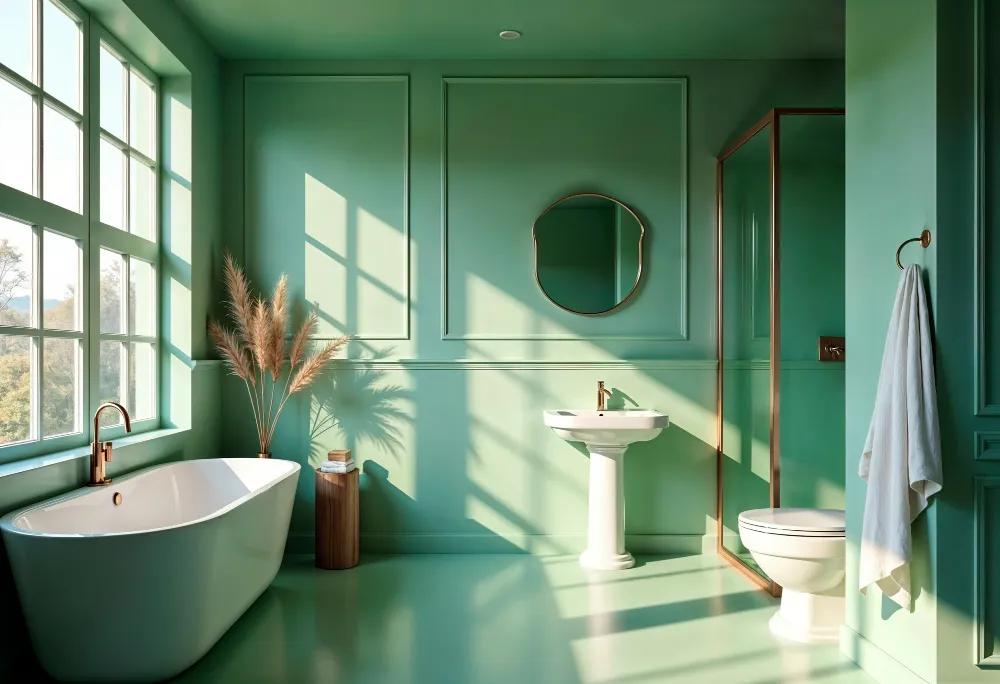
Image source: freepik
The Hidden Environmental Impact of Everyday Habits
When people think about reducing their environmental footprint, they often focus on big lifestyle changes, such as switching to electric vehicles, installing solar panels, or cutting down on air travel.
But some of the most consistent environmental impacts come from small, everyday habits. Especially those that happen inside the home.
The bathroom, in particular, is one of the most resource-intensive spaces in any household. From water usage to disposable products, daily routines can quietly contribute to significant environmental strain.
The good news is that small, practical changes can make a meaningful difference—without requiring major renovations or lifestyle disruptions.
Why the Bathroom Matters More Than You Think
Bathrooms account for a substantial portion of household resource consumption.
On a daily basis, they involve:
Water usage from toilets, showers, and sinks
Energy consumption for heating water and lighting
Continuous use of disposable products like toilet paper and wipes
Because these activities happen every day, even minor inefficiencies can add up over time.
By making targeted improvements, households can reduce waste, conserve resources, and lower their environmental impact—all while maintaining comfort and convenience.
Change #1: Reduce Water Waste with Smarter Fixtures
Water conservation is one of the most effective ways to reduce environmental impact.
Simple upgrades can significantly reduce water usage without sacrificing performance:
Low-flow showerheads that maintain pressure while using less water
Water-efficient faucets with aerators
Dual-flush toilets that allow for reduced water use when appropriate
These changes can cut water consumption by thousands of gallons per year in a single household.
Beyond environmental benefits, they can also lead to noticeable savings on utility bills.
Change #2: Rethink Toilet Paper Consumption
Toilet paper is one of the most widely used disposable products in the home—and one of the most environmentally demanding.
Its production involves:
Tree harvesting for virgin pulp
High water usage during processing
Energy-intensive manufacturing and transportation
Reducing reliance on toilet paper—even partially—can significantly lower household waste and resource consumption.
One increasingly popular approach is incorporating water-based cleaning methods. These systems reduce the need for paper while improving hygiene.
Products offered by Bidets USA provide accessible options for households looking to make this shift without major changes to their bathroom setup. View their best bidet toilets here.
Change #3: Switch to Reusable Alternatives
Many common bathroom products are designed for single use, contributing to ongoing waste.
Replacing disposable items with reusable alternatives can make a significant difference over time.
Examples include:
Washable cleaning cloths instead of disposable wipes
Reusable cotton pads for personal care
Long-lasting grooming tools instead of single-use plastics
These swaps reduce landfill waste and minimize the need for continuous purchasing.
Change #4: Upgrade to Energy-Efficient Lighting
Lighting is often overlooked, but it plays a role in both energy consumption and overall efficiency.
Switching to LED lighting offers several benefits:
Lower energy usage compared to traditional bulbs
Longer lifespan, reducing replacement frequency
Improved brightness and consistency
Because bathroom lights are used frequently, this simple upgrade can have a measurable impact on energy consumption.
Change #5: Be Mindful of Hot Water Usage
Heating water is one of the most energy-intensive activities in the home.
Reducing hot water usage can significantly lower both energy consumption and utility costs.
Practical steps include:
Taking shorter showers
Installing temperature regulators
Using efficient showerheads that reduce flow without sacrificing comfort
Even small adjustments to daily routines can lead to meaningful energy savings over time.
Change #6: Choose Eco-Friendly Materials and Products
When updating or maintaining a bathroom, material choices matter.
Opting for eco-friendly products can reduce environmental impact without compromising quality.
Consider:
Sustainable or recycled materials for accessories
Biodegradable cleaning products
Non-toxic, environmentally safe toiletries
These choices help reduce chemical pollution and support more sustainable manufacturing practices.
Change #7: Improve Waste Management
Proper waste management is essential to reducing environmental impact.
Simple steps include:
Recycling packaging whenever possible
Avoid flushing non-degradable items
Reducing unnecessary product usage
Being mindful of what goes into the waste stream helps minimize environmental harm and supports more efficient waste processing systems.
Change #8: Optimize Storage to Prevent Overconsumption
Clutter often leads to overconsumption.
When products are disorganized or hidden, it’s easy to buy duplicates or use more than necessary.
Improving storage can help:
Keep track of what you already have
Reduce unnecessary purchases
Encourage more mindful consumption
Simple additions like shelves, organizers, or cabinets can make a noticeable difference.
Change #9: Focus on Long-Term Solutions Over Short-Term Convenience
Many environmentally harmful habits are driven by convenience.
Disposable products, excessive packaging, and inefficient systems are often chosen because they are easy—not because they are sustainable.
Shifting toward long-term solutions—such as reusable products or water-based hygiene systems—can reduce environmental impact while providing lasting value.
This mindset change is key to creating more sustainable habits.
The Cumulative Effect of Small Changes
One of the most important things to understand about sustainability is that small actions add up.
A single change may seem insignificant, but when combined with other improvements—and multiplied across millions of households—the impact becomes substantial.
For example:
Reducing water usage by a few gallons per day
Cutting back on disposable products
Using energy more efficiently
These actions contribute to broader environmental goals, including conservation and reduced emissions.
Overcoming the “All or Nothing” Mindset
One of the biggest barriers to adopting sustainable habits is the belief that change must be drastic to matter.
In reality, incremental improvements are often more effective and sustainable over time.
You don’t need to completely overhaul your bathroom to make a difference. Starting with one or two changes can set the foundation for long-term improvement.
The Role of Awareness in Driving Change
As more people become aware of the environmental impact of everyday habits, behavior begins to shift.
Education plays a critical role in this process. When individuals understand the consequences of their actions, they are more likely to make informed choices.
This growing awareness is already influencing:
Product design and innovation
Consumer purchasing decisions
Industry standards
The bathroom is just one area where this shift is becoming increasingly visible.
Looking Ahead: A More Sustainable Home
The future of home design is closely tied to sustainability.
As expectations evolve, homes that prioritize efficiency, conservation, and thoughtful design will become the norm rather than the exception.
Bathrooms, once purely functional, are now part of this transformation.
Conclusion: Small Steps Toward a Bigger Impact
Reducing your environmental impact doesn’t require dramatic lifestyle changes. Often, it starts with small, intentional adjustments to everyday routines.
The bathroom—used multiple times a day by every member of the household—is one of the most effective places to begin.
By conserving water, reducing waste, and embracing more efficient solutions, households can make meaningful progress toward sustainability without sacrificing comfort.
In 2026, the path to a more sustainable lifestyle is clearer than ever. And sometimes, the smallest changes—made consistently—can lead to the biggest results.